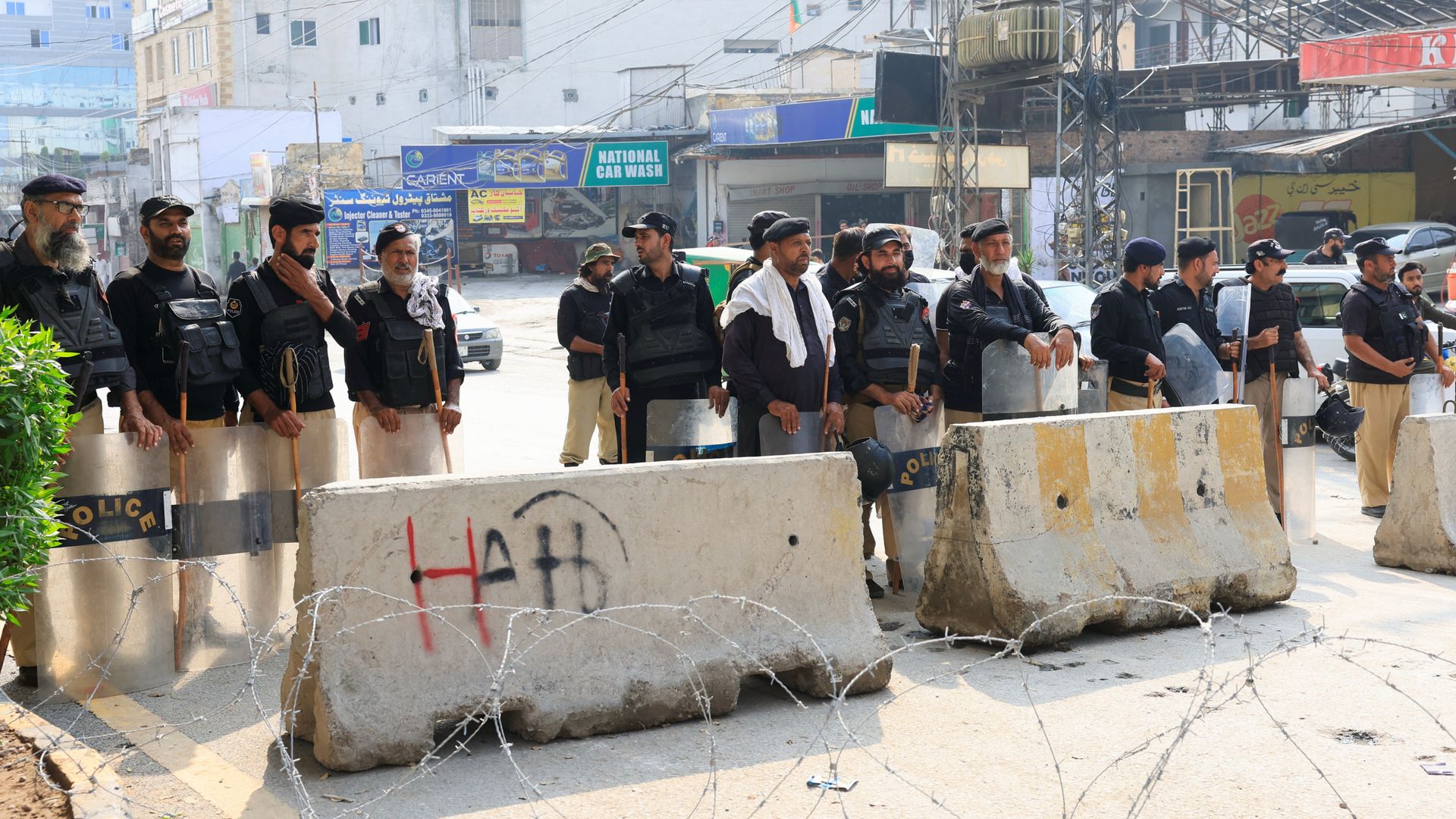
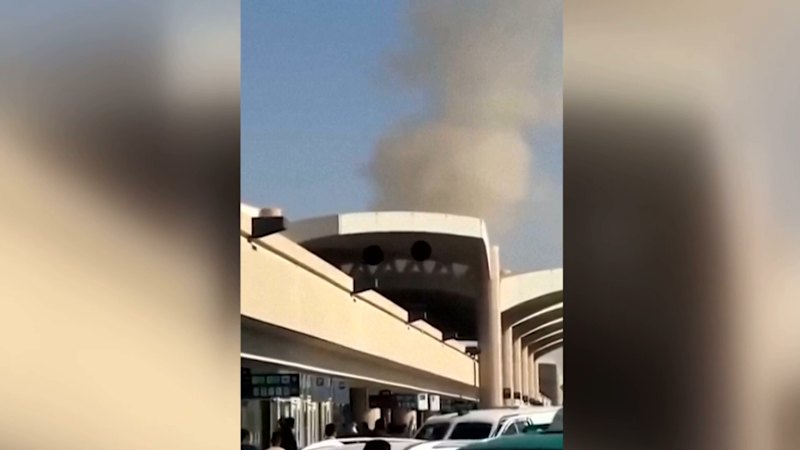
The headlines following the security incident at Riyadh airport played the usual tune of panic, instant condemnation, and breathless speculation about regional stability. Commentators lined up to decry the vulnerability of transport hubs, demanding thicker perimeter walls, more armed guards, and stricter airspace restrictions. It is the same tired script written after every single security breach in modern history.
Everyone wants to blame the metal detectors. Everyone wants to talk about perimeter defense. Everyone is wrong.
I have spent two decades advising transport operators and sovereign infrastructure boards on physical and digital threat vectors. I have watched billions of dollars torched on high-tech perimeter sensors that fail the moment someone figures out how to exploit a human handoff or a procurement loophole. The lazy consensus after any airport attack is that we need more security theater. We need to lock the doors tighter.
That mindset is not just outdated. It is suicidal.
The Perimeter Myth
Let us define the core misunderstanding. Most people believe that an airport is a fortress whose primary job is keeping threats out. It is not. An airport is a high-throughput logistics engine whose core function is moving thousands of human beings and millions of tons of cargo through a porous urban interface every single hour.
When you treat an airport like a military bunker, you create catastrophic bottlenecks. You pack thousands of passengers into unsecured curbside check-in zones and arrival concourses while they wait to clear initial screening checkpoints. Security professionals call this the crowd density vulnerability. Attackers call it a target-rich environment.
By pushing every single defensive dollar toward hardening the runway perimeter and the sterile departure gates, airport authorities leave the sprawling public access zones exposed. You can build a twenty-foot concrete blast wall around the tarmac, but if your drop-off lanes and parking garages resemble a disorganized shopping mall bazaar with zero structural mitigation, you have achieved nothing. You have simply moved the target ten meters to the left.
I sat in a risk assessment room in Dubai years ago when an executive smugly pointed to a new biometric screening gate and declared our facility impenetrable. Three weeks later, a simulated red-team audit bypassed the entire multi-million-dollar biometric array by walking through a contractor loading dock during a shift change while wearing high-visibility vests and carrying clipboards. The technology worked brilliantly. The human architecture was a sieve.
Deconstructing the Reactionary Playbook
Look at the standard post-attack policy recommendations floating around newsrooms and think tanks right now.
First, they demand flight suspensions. This is economic self-harm masquerading as caution. Halting operations at a major aviation hub like Riyadh does not starve the threat; it starves the supply chains, strands thousands of international travelers, and hands a symbolic victory to hostile actors on a silver platter. The goal of asymmetric disruption is to force the state to inflict economic damage upon itself. Every time an airport shuts down over a localized incident, the attacker wins a bloodless economic victory.
Second, they call for the immediate deployment of heavy military personnel inside civil terminals. Anyone who suggests this has never managed a crowd under stress. Heavily armed soldiers patrolling a civilian baggage claim do not deter determined adversaries; they elevate baseline civilian panic, create friendly-fire hazards, and transform a transportation center into an armed camp that alienates international commerce.
Imagine a scenario where a crowded terminal experiences a minor disturbance, and a nervous conscript opens fire because every shadow looks like an existential threat. The casualty count from the subsequent panic would dwarf the original incident. We do not need more guns in the terminal. We need better intelligence integration and smarter spatial design.
The Economics of Resilient Flow
If you want to understand why airports remain vulnerable, follow the money. Airport expansion projects are driven by retail revenue, duty-free square footage, and passenger throughput metrics. The commercial boards want frictionless shopping; the security chiefs want total lockdowns. These two forces are locked in a permanent, destructive civil war.
The winning approach requires abandoning the illusion of zero risk. Absolute security does not exist in an open society. The moment you try to achieve it, you destroy the utility of the asset you are trying to protect.
Instead of building higher walls, operators must embrace distributed threat detection and fluid architecture. That means pushing security vetting outward. Riyadh and other regional giants need to decentralize check-in and baggage processing miles away from the actual airfield terminals. Move the friction points to city-center rail stations, suburban transit hubs, and dedicated logistics clearinghouses. By the time a passenger reaches the airport proper, they are already cleared, verified, and flowing directly onto airside transport without lingering in massive, unprotected terminal queues.
Furthermore, we must talk openly about the failures of regional intelligence-sharing silos. Too many infrastructure operators treat security as an internal compliance checklist rather than an active, cross-border threat market. When an incident occurs, the investigation is too often bogged down by institutional defensiveness, data hoarding, and public relations damage control.
The Uncomfortable Truth About Risk
Here is what the analysts will not tell you because it sounds too harsh: some fraction of risk must be absorbed rather than legislated away. When you legislate every conceivable threat vector, you create a bureaucratic monster that paralyzes operations while failing to stop adaptive adversaries.
The attack on Riyadh airport was tragic, but the subsequent policy panic is dangerous. If authorities respond by doubling down on security theater, increasing passenger wait times to four hours, and militarizing civilian spaces, they are handing the playbook right back to the disruptors.
Stop asking how to make airports look like fortresses. Start asking how to make them run like water—impossible to trap, impossible to crush, and continuously flowing around obstacles.
The next time an incident shuts down a major global hub, do not look at the perimeter fence. Look at the people who design the waiting lines. That is where the real vulnerability lives, and until we fix that, every headline will repeat the same tragic mistake.