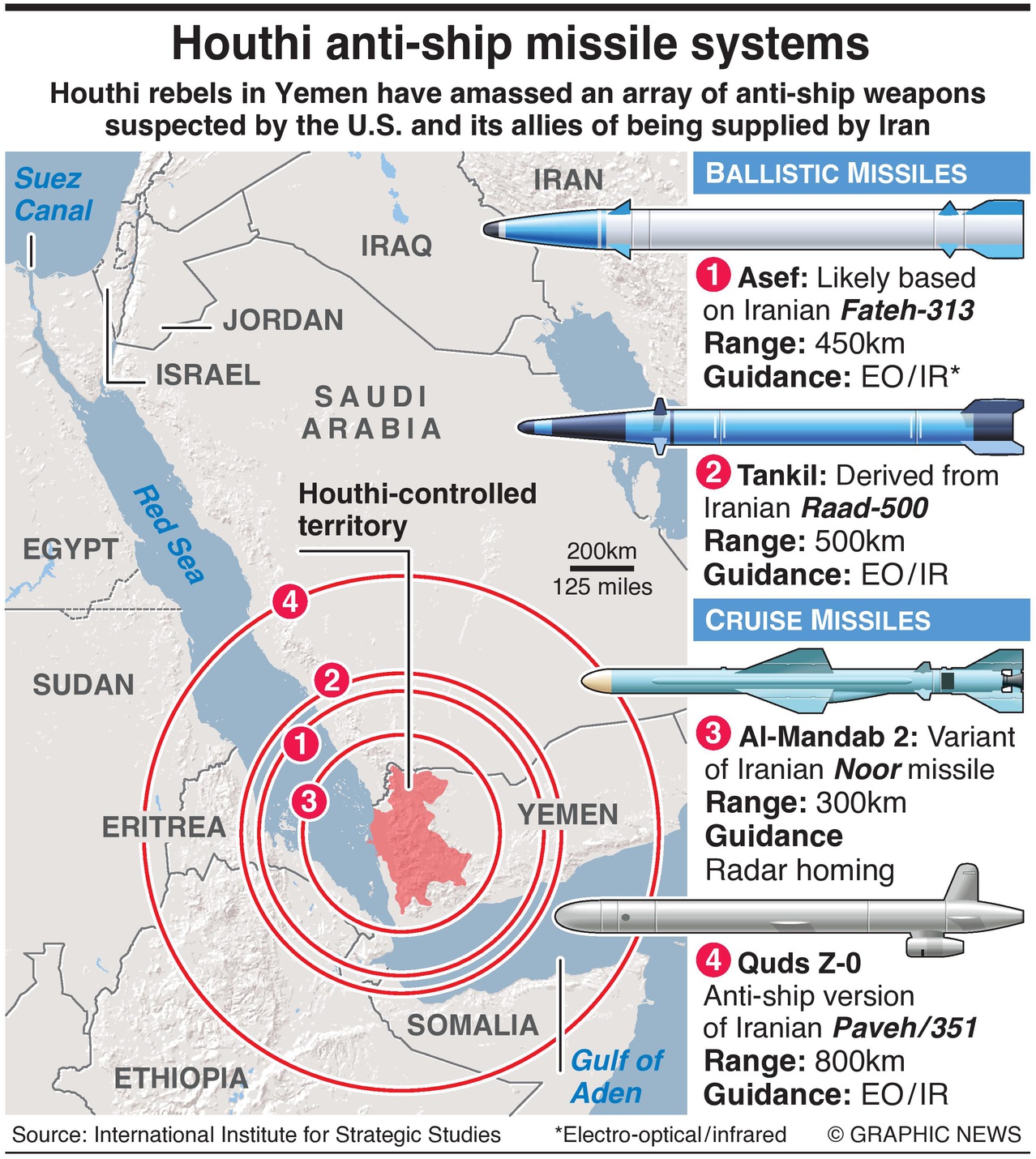
The collective media panic over the postponed talks between Iran and Gulf Arab states in Muscat is amateur hour at its finest.
Every foreign desk from Washington to Riyadh reached for the same tired script. They called the delay a diplomatic breakdown. They claimed rising regional tensions torpedoed the schedule. They whispered about renewed mistrust and hardening stances.
They are entirely, spectacularly wrong.
In international diplomacy, public schedules are theater. The real statecraft happens when the cameras turn off, the press corps is sent home, and the diplomats stop performing for their domestic hardliners. When talks in Oman get pushed back, it is almost never because diplomacy has failed. It is because someone in the room finally stopped playing games and started making actual, unvarnished demands.
Let us dismantle the lazy consensus.
The Myth of the Broken Calendar
Mainstream analysts treat diplomatic calendars like commercial flight schedules. If a plane does not depart on time, something must be broken. Engines failed. Weather turned bad. Air traffic control panicked.
This model collapses the moment you walk into a closed-door security negotiation in the Middle East.
When Tehran and Gulf capitals schedule ministerial meetings through Omani channels, they are not setting up a pleasant coffee morning to exchange pleasantries about regional stability. They are trading high-stakes security calculus. They are mapping maritime shipping lanes, proxy financing flows, intelligence sharing parameters, and air defense corridors.
These are zero-sum allocations of power. When a session is suddenly postponed, it means a draft text crossed a red line. It means a finance minister or a security chief looked at a clause and realized their counterpart was trying to sneak an unacceptable concession past them in the footnotes.
A delay is not a sign that talks are dead. A delay is a sign that someone is taking the text seriously enough to halt the clock.
If talks proceed smoothly on schedule, you should worry. Smooth diplomatic timelines usually mean both sides are agreeing to vague, toothless communiques that satisfy no one and change nothing. When meetings are halted, friction is doing its job.
Muscat is Not a Mediator, It is a Pressure Cooker
To understand why these postponements happen, you have to understand how Oman operates. Muscat does not mediate out of naive pacifism. Oman survives in a brutal geopolitical neighborhood by mastering the art of functional ambiguity.
Omani intelligence and foreign service teams do not host these talks to bring peace, love, and understanding to the Persian Gulf. They host them because a stable backchannel prevents miscalculation from turning into total war in their own backyard.
When talks stall in Muscat, it means the Omani intelligence apparatus has deliberately tightened the screws. The Sultanate does not suffer fools. If delegations show up unprepared, grandstanding for domestic consumption, or testing trial balloons designed to leak to Reuters, the Omanis have a habit of freezing the process.
I have watched regional bureaucrats walk into backchannel meetings expecting a PR victory, only to find their Omani hosts handing them a brutal ledger of what their military actions actually cost them the previous quarter. When you strip away the diplomatic varnish, the postponement in Oman was a forced timeout. Both sides were told to go back to their respective capitals, check their institutional egos, and return with mandates rooted in reality rather than political fantasy.
The Domestic Grandstanding Trap
Every single actor sitting across the table in Oman is fighting a two-front war. They are negotiating with their geopolitical rivals across the table, and they are negotiating with their own domestic hardliners back home.
In Tehran, the security establishment must constantly project unyielding defiance to appease ideological factions. In Gulf capitals, leaders must project absolute security dominance while quietly recognizing that regional escalation is an economic suicide pact.
This creates an acute structural pathology. Diplomats can agree on practical de-escalation measures behind closed doors in Muscat, but the moment those agreements threaten to become public policy, domestic factions panic.
A postponement is frequently requested not because the talks have hit an insurmountable wall, but because one delegation needs to buy time to neuter domestic critics. They need three weeks of quiet maneuvering to sideline a hardline faction or manage a domestic security narrative before they can sign off on a compromise.
When headline writers scream about deadlock, they are ignoring the backstage knife-fights within the participating governments. The delay is the shock absorber. It prevents a premature leak from destroying a fragile alignment before it can be codified.
The Structural Reality of Security Architecture
Let us look at what these talks are actually trying to achieve. They are not cultural exchanges. They are attempts to construct an informal, pragmatic regional security architecture in an environment where no one trusts anyone.
That requires addressing concrete operational questions. How do you de-conflict maritime traffic in the Strait of Hormuz when commercial tankers are routinely seized or harassed? How do you establish early-warning verification mechanisms to prevent drone strikes or miscalculated naval maneuvers from triggering a wider conflagration?
These questions cannot be answered with diplomatic boilerplate. They require precise, technical parameters agreed upon by military technocrats who view every word through the lens of tactical vulnerability.
When a technical team hits an impasse over verification protocols, meetings stop. That is not a crisis; that is engineering. You do not rush past a broken protocol just to hit a media deadline. You halt, you review, you recalculate.
The media treats the postponement as political theater. The participants treat it as a technical necessity.
The Uncomfortable Truth About Backchannel Realities
To be entirely fair to the critics, secret diplomacy carries a massive structural downside. By operating in the shadows of Muscat, these governments bypass accountability. They avoid parliamentary scrutiny, public debate, and international transparency.
When talks are postponed behind closed doors, civil society learns nothing. Citizens whose lives and economies hang in the balance are left completely in the dark, forced to parse coded statements issued by state-run news agencies.
Furthermore, backchannels are notoriously brittle. Because they rely on personal relationships between select envoys and intelligence chiefs, the removal of a single key player can derail years of hidden progress.
Yet, states choose this path because public diplomacy in the current Middle Eastern climate is completely broken. When relations are poisoned by decades of proxy warfare and external interference, public talks instantly turn into posturing arenas. Leaders cannot back down without losing face in front of domestic television cameras.
Therefore, secrecy and the occasional strategic postponement are the only prices worth paying for functional outcomes. The opacity of Oman is precisely what allows enemies to talk without committing political suicide.
Stop Asking the Wrong Questions
If you want to understand why regional diplomacy moves the way it does, stop asking why meetings are postponed. Start asking what compelled both sides to sit down in the first place, and what specific parameters forced them to hit the pause button.
The postponement of the Muscat talks is not a symptom of failure. It is proof that the stakes are too high for empty theater. When real security architecture is being forged, speed is the enemy of durability.
The next time a diplomatic delay triggers panic in the financial markets or a flurry of anxious op-eds, remember what is actually happening. The adults in the room have closed the door, told the press to go home, and started doing the hard, grinding work of preventing a catastrophe.
Let them argue in private. That is where peace is actually made.