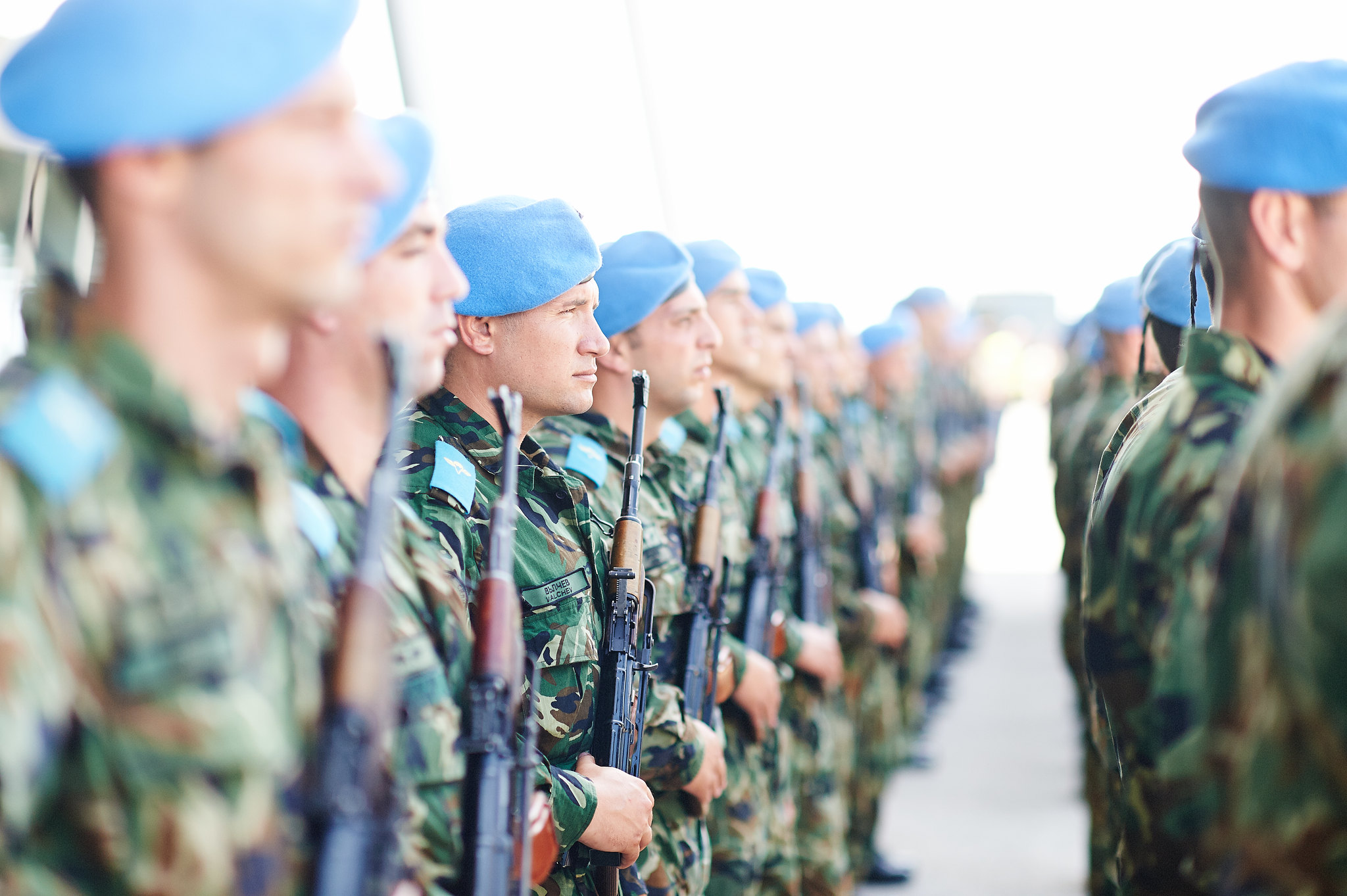
Germany is panicking because the safety net is fraying. When the U.S. signals a troop reduction, Berlin’s immediate reflex is to call for "European sovereignty." It’s a seductive phrase. It sounds proactive. In reality, it’s a desperate attempt to ignore forty years of systemic atrophy. The narrative pushed by mainstream outlets—that Europe just needs "stronger cooperation" to fill the gap—is a fantasy.
The U.S. isn't just moving chess pieces; it's exposing a continent that has traded its teeth for a comfortable seat at the diplomatic table. If you think a few more joint committees in Brussels will solve a deficit in hard power, you aren't paying attention to the math.
The Procurement Trap
European defense isn't failing because of a lack of will. It’s failing because of industrial protectionism masquerading as "strategic autonomy."
When the U.S. builds an F-35, it builds a platform for dozens of nations. When Europe decides to build a tank or a jet, every nation involved demands a specific percentage of the "workshare." This isn't military strategy; it's a jobs program. We see this play out in the FCAS (Future Combat Air System) project. France and Germany spend more time bickering over who gets to manufacture the flight control software than they do on actual innovation.
I’ve watched defense contractors burn through billions in taxpayer funds while delivering hardware that is outclassed by off-the-shelf American or even emerging Turkish tech by the time it hits the field. Europe has roughly 17 different types of main battle tanks. The U.S. has one.
The "lazy consensus" says Europe needs to spend more. That’s wrong. Europe needs to spend differently. Throwing 2% of GDP into a fragmented, inefficient system is like pouring water into a bucket made of lace.
The Nuclear Umbrella Fallacy
Let’s talk about the giant elephant in the room that Berlin refuses to name: the nuclear deterrent.
Germany’s call for "stronger European defense" conveniently skips over the fact that without the U.S., the continent’s security relies almost entirely on France’s force de frappe. But the French nuclear doctrine is famously ambiguous and centered on "vital interests." Does that include a border skirmish in Estonia? Historically, the answer is a shrug.
Relying on a "European" defense means relying on a French guarantee that doesn't actually exist on paper. Germany’s discomfort with military leadership—a byproduct of its 20th-century trauma—creates a power vacuum that no amount of EU integration can fill. You cannot lead a military alliance while being allergic to the concept of force.
The Logistics Crisis Nobody Mentions
If the U.S. pulls back, the problem isn't just a lack of soldiers. It’s the "enablers."
The Pentagon provides the boring stuff that actually wins wars:
- Satellite intelligence and high-altitude surveillance.
- Aerial refueling tankers.
- Heavy-lift transport aircraft.
- Advanced medical evacuation chains.
Europe is functionally incapable of moving a brigade across its own territory without American logistical scaffolding. During the 2011 intervention in Libya—literally in Europe’s backyard—European powers ran out of precision-guided munitions within weeks. They had to go to Washington with their hats in their hands, asking to buy more.
Twelve years later, has the capacity changed? Not significantly. The talk of "autonomy" is cheap. The heavy-lift transport planes required to actually move an army are expensive, and nobody in Europe wants to pay for them because they aren't "prestige" projects like a stealth fighter.
The Myth of the Unified Threat Perception
The biggest lie in the "European Defense" narrative is that everyone agrees on the enemy.
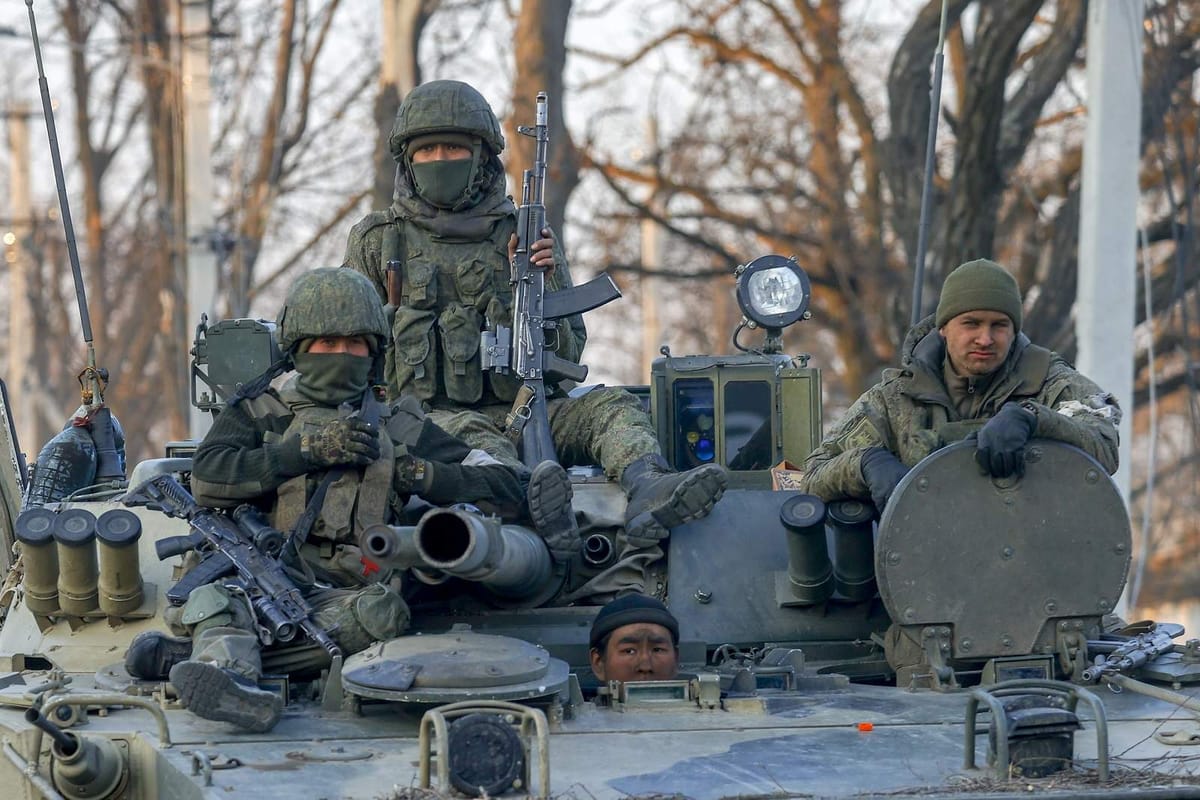
The Baltics and Poland see Russia as an existential threat. They want American boots on the ground because they know a German "diplomatic initiative" won't stop a T-90. Meanwhile, Italy and Spain are focused on the Mediterranean and migration. They view the Eastern Flank as a distraction from the instability in North Africa.
When interests are that divergent, "unified defense" is a bureaucratic myth. You cannot have a single defense policy without a single foreign policy, and you cannot have a single foreign policy without a single state. Since no one is ready to surrender their seat at the UN to a "United States of Europe," the talk of a unified military is just theater for the next summit.
Stop Buying the Wrong Tools
If European leaders were serious, they would stop trying to build a "mini-USA" military. They cannot compete with the American military-industrial complex on its own terms.
Instead of chasing the 20th-century dream of massive tank divisions, they should be pivoting to asymmetric dominance:
- Drown the field in cheap drones. The war in Ukraine has shown that a $500 FPV drone can kill a $5 million tank.
- Cyber-resilience over shiny hardware. Protecting the power grid is more vital than a new aircraft carrier that will never leave port.
- Hardened infrastructure. Ensure that the rail and road networks can actually support military movement without a six-month planning phase.
But this doesn't happen because it doesn't create the "high-tech" manufacturing jobs that politicians crave for their campaign flyers.
The Cost of the American Divorce
The downside to my argument? Admitting it means admitting that Europe is currently a protectorate, not a peer. It means acknowledging that if the U.S. truly leaves, the security of the continent collapses overnight.
Germany’s current rhetoric is a coping mechanism. It’s a way to avoid the reality that they have underfunded their own security for so long that they are no longer a relevant military actor. They aren't "urging stronger defense"; they are whistling past the graveyard.
If you want to fix European security, stop looking for a "European" solution. Start by fixing the individual national militaries that have become little more than ceremonial guards with oversized budgets.
The U.S. troop reduction isn't a "challenge to be met." It’s an eviction notice. And Europe doesn't even have the keys to its own front door.
Build the capability first. Then, and only then, are you allowed to talk about sovereignty. Until then, stay quiet and keep the checkbook open.