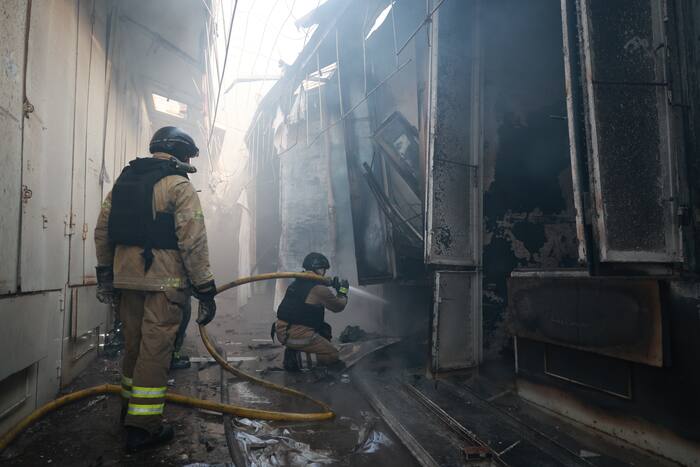
The operational dynamic between military escalation and diplomatic signaling follows a rigid economic logic. When high-level diplomatic channels stall, kinetic actions often serve as compressed bargaining signals designed to alter the perceived cost function of opposing actors. Recent events in Ukraine illustrate this mechanism with stark clarity. Following diplomatic overtures from German leadership aimed at de-escalation, a wave of Russian strikes resulted in civilian casualties and infrastructural pressure, directly contrasting with the diplomatic proposals on the table. This sequence exposes the fundamental structural fracture between diplomatic frameworks and operational execution in modern interstate conflict.
To deconstruct this phenomenon, analysis must move beyond surface-level reporting of casualties and examine the underlying variables governing this strategic friction. The interaction between diplomatic rejections and kinetic intensification can be mapped through three distinct structural layers: the signaling function of kinetic retaliation, the asymmetry of diplomatic leverage between regional and external mediators, and the systemic resilience of national electrical and defensive infrastructure under sustained attrition. Discover more on a connected subject: this related article.
The first structural layer involves the utility of violence as a counter-proposal. When diplomatic initiatives from third-party states are rejected, the rejecting party faces a choice of communication channels. A formal diplomatic communique communicates a ceiling of terms; a kinetic strike communicates a floor of pain. By launching coordinated attacks immediately following the rejection of German de-escalation calls, Moscow utilized asymmetric force generation to signal resolve to both local adversaries and external European intermediaries. This eliminates ambiguity. It establishes that proposed concessions are currently valued below the perceived domestic or tactical cost of compliance.
The second layer concerns the structural limitations of external mediation. Germany and other European powers operate within a diplomatic framework that assumes mutual interest in stability and reduced economic drag. However, when the primary actors operate on divergent strategic timelines—one prioritizing long-term attrition and territorial consolidation, the other prioritizing immediate stability and energy security—mediation efforts encounter severe friction. The mediator's currency is economic incentive and diplomatic normalization; the belligerent's currency is operational momentum. Consequently, diplomatic calls for de-escalation without a corresponding shift in the military balance or security guarantees are structurally discounted by the receiving state. Further reporting by NPR highlights related views on the subject.
The third layer governs the attrition dynamics of civilian infrastructure targeting. Sustained strikes on urban centers and energy nodes serve a dual operational purpose. Beyond the immediate human toll, they impose compounding logistical friction on the defending state's command-and-control networks, supply chains, and civilian morale. Each cycle of strikes forces the allocation of defensive resources, specifically high-cost air defense munitions, against low-cost offensive vectors. This creates a resource depletion asymmetry that heavily influences long-term operational sustainability.
Understanding these mechanics requires examining the feedback loop between international diplomatic pressure and local military escalation. When external actors attempt to impose de-escalation frameworks that fail to account for the immediate tactical incentives of the belligerents, the standard response is an escalation of force designed to reset the baseline of negotiations. This dynamic traps regional stability in a high-friction equilibrium where diplomatic intervention frequently triggers immediate kinetic countermeasures.
For strategic analysts and policy planners, the primary takeaway is that diplomatic engagement decoupled from credible deterrent mechanisms or tangible shifts in resource distribution will continue to yield predictable retaliatory friction rather than convergence toward peace. Future trajectories will depend entirely on whether external actors can alter the fundamental cost-benefit calculations governing offensive operations, rather than simply issuing diplomatic appeals that run counter to the immediate operational imperatives of the combatants.