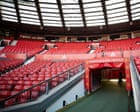
You can hear it before you see it. The low rumble of voices outside the turnstiles, the clink of cheap glasses in a local pub, the smell of damp coats and fried onions. For over a century, this was the Saturday ritual for millions of working-class people across Britain. It didn't matter if your factory boss was breathing down your neck all week. For 90 minutes, that patch of grass belonged to you and your community.
Not anymore.
English football has morphed into a billionaire playground where traditional supporters are treated like annoying legacy software that needs an upgrade. Behind the shiny new stadiums, the record-breaking television revenues, and the glitzy pre-match light shows, a quiet eviction is taking place. The people who built these clubs, who carried them through near-bankruptcy in the lower leagues, can no longer afford to walk through the gates.
This isn't just about inflation. It's a calculated strategy to swap loud, fiercely loyal locals for quiet, high-spending tourists. And if the clubs aren't careful, they're going to destroy the very thing that makes their product worth watching on television.
The Death of the Concession and the Rise of the Extravagant Season Ticket
Every spring, football fans open their email inboxes with a familiar sense of dread. It's season ticket renewal time. The emails always follow the same corporate script. They talk about "unprecedented challenges," the desire to "remain competitive at the highest level," and the "tough but necessary decision" to hike prices.
Look at what's happening across the Premier League right now. Clubs like Nottingham Forest have hit fans with eye-watering price hikes of up to 8.5%. Even historic clubs with massive global income streams, like Manchester United and Newcastle, are squeezing an extra 5% out of their base. To put that in perspective, these increases consistently outpace national inflation, turning a weekly passion into a luxury line item that families simply have to cut.
But the real, insidious war isn't just on the standard adult ticket. It's on youth and senior concessions.
Historically, clubs looked after the old and the young. It kept generations of families sitting in the same rows for decades. Now, clubs are quietly restructuring how concessions work. Some are limiting senior discounts to specific, less desirable sections of the stadium. Others are raising the age threshold or scrapping youth discounts entirely for new applicants.
The logic is brutal but simple. A teenager or a pensioner paying a cut-rate price occupies a seat that could otherwise be sold to a corporate client or a one-time international visitor willing to pay triple digits for a single match. By shrinking the areas where concessions apply, clubs are effectively engineering older and younger working-class fans out of the stadium.
Monetizing the Grassroots Loyalty
The Football Supporters’ Association (FSA) has been screaming into the wind about this for years with their "Stop Exploiting Loyalty" campaign. The core of their argument hits the nail on the head. Clubs know that football fandom isn't like picking a supermarket. If your local Tesco raises the price of milk, you go to Sainsbury's. If Arsenal or West Ham hikes ticket prices, you don't start supporting Chelsea.
Football owners exploit this psychological hostage situation. They know you will cut back on groceries, skip holidays, or dip into savings to keep your seat. You do it because that seat isn't just a plastic chair. It's your identity. It's where you see your dad, your daughter, or your childhood friends.
What makes this financial squeezing so galling is where the money actually comes from. Premier League clubs receive billions from domestic and international television broadcast rights. The matchday revenue from ordinary fans sitting in the stands is a drop in the ocean compared to the cash flooding in from TV networks and global sponsorships. Squeezing an extra £50 or £100 out of a working-class season ticket holder doesn't move the needle on a club's ability to buy a new star striker. It's done simply because the clubs know they can get away with it.
Instead of passing those massive TV windfalls down to the fans in the form of cheaper tickets, clubs use the extra cash to fund pyrotechnic displays, post-match DJ sets, and flashy light shows. It's a fundamental misunderstanding of British fan culture. Nobody goes to a football match to see a laser show. They go to see the football, and they go to sing.
The Corporate Takeover of the Stands
Walk around the perimeter of a modern Premier League stadium today and you'll see a stark divide. On one side, the traditional fan entrance. On the other, glass-fronted hospitality wings where corporate clients eat three-course meals before the game.
Clubs are aggressively expanding these corporate zones, eating into the traditional home ends. Look at the proliferation of ultra-luxury concepts like the "Tunnel Club" at the Etihad Stadium, or Chelsea selling premium hospitality packages next to the dugouts for thousands of pounds per game.
When you convert a block of traditional seating into hospitality, you don't just change the price tag. You change the atmosphere.
- The Day-Tripper Demographic: One-off visitors and corporate guests look at a football match as entertainment, not a tribal ritual. They spend heavily at the club shop, buy premium burgers, and take selfies. But they don't know the songs. They don't generate the hostile, electric atmosphere that English football is famous for.
- The Silent Stadium Syndrome: As old-school fans get priced out, stadiums are becoming visibly and audibly quieter. The passion is being sterilized.
- The Irony of the Product: Broadcast executives pay billions for the Premier League because of the spectacle. That spectacle includes the roaring, hostile, passionate crowd. By pricing out the people who create that noise, clubs are actively damaging the television product they rely on for survival.
We are heading toward a tipping point where the atmosphere in English grounds will resemble a tennis match or a corporate convention. Once that soul is gone, you can't just buy it back.
How to Protect Your Wallet Without Giving Up Your Club
If you're a fan staring at a massive renewal bill or struggling to get a single match ticket without joining an expensive membership scheme, you aren't completely powerless. You don't have to just accept the slow squeeze.
Join Your Local Supporters' Trust
Don't underestimate collective bargaining. Every major club has an official Supporters' Trust, and many now have Fan Advisory Boards (FABs) that meet directly with club executives. When fans organize en masse, they can force concessions. Look at Liverpool fans a few years ago who successfully protested a proposed £77 ticket price, forcing the club into a dramatic U-turn. Get involved, vote in trust elections, and make your voice part of the collective roar.
Explore the Lower Leagues and Non-League Football
If the Premier League has become too corporate, remember that the heart of English football still beats loudly in the lower divisions. From the Championship down to the National League and local non-league sides, the game remains accessible. For the price of a single Premier League match ticket, you can often buy a season ticket or take an entire family to a local non-league game. The football is raw, the beer is cheaper, you can stand on terraces, and your money actually keeps a community institution alive.
Audit Your Membership and Subscriptions
Clubs love to lock fans into digital ecosystems, charging annual fees just for the right to enter a ticket ballot. Assess whether these memberships are actually delivering value. If you're paying for official club TV channels, digital magazines, or premium memberships and still getting frozen out of tickets, vote with your wallet. Cut the fat and focus your spending strictly on matchday entry or supporting independent fan media and fanzines that actually fight for your interests.
The battle for the soul of English football is happening right now in the ticket offices and boardrooms. If fans keep paying any price demanded of them, the clubs will keep raising the bar until the working class is completely priced out. Take a stand, support fan-led campaigns, and remind the billionaire owners exactly who built the beautiful game.