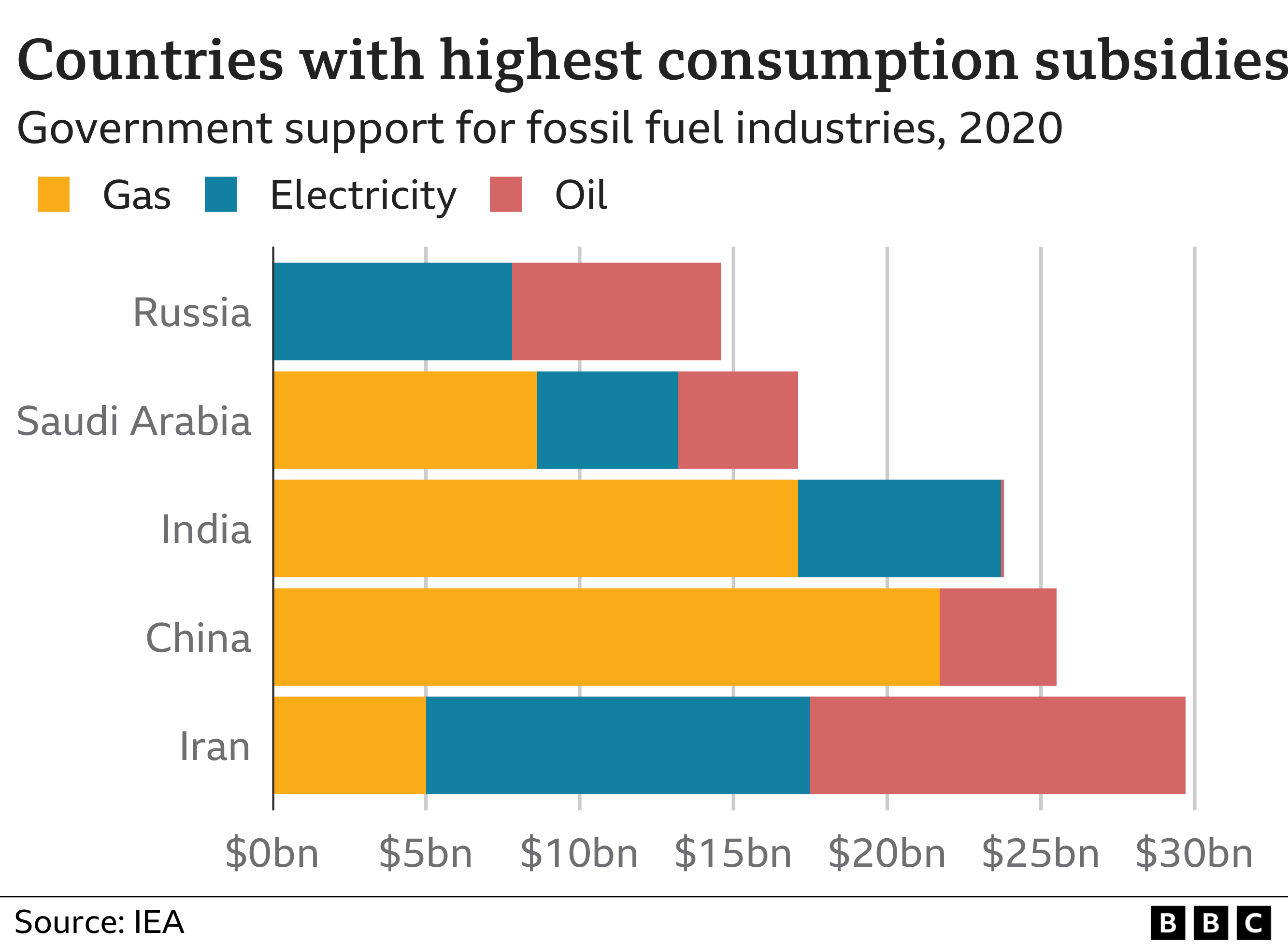
State-administered energy pricing creates an artificial equilibrium that inevitably terminates in fiscal insolvency or social unrest. When governments absorb the delta between global commodity extraction costs and domestic purchasing power, they mortgage state reserves against an unsustainable timeline. The recent wave of demonstrations across multiple Syrian governorates following sudden upward revisions in diesel and gasoline tariffs is not merely a localized reaction to inflation. It represents a structural collision between macroeconomic austerity imperatives and the bare survival thresholds of a population operating almost entirely below the poverty line.
To deconstruct the mechanics of this crisis, one must abandon superficial political narratives and examine the underlying economic architecture. Energy pricing in post-conflict transitional economies functions as a primary transmission belt for overall price stability. When the state attempts to correct chronic fiscal deficits by abruptly stripping away price supports, the shock reverberates instantly through every layer of economic activity, exposing the fragility of the recovery process.
The Fiscal Mathematics of Subsidized Energy
At the core of the state's dilemma lies an intractable fiscal equation. Sovereign income has contracted sharply due to damaged infrastructure, lost oil fields, and international sanctions, while expenditure obligations remain rigid. Maintaining blanket subsidies on petroleum products requires a continuous influx of foreign currency or credit lines—neither of which exists in sufficient volume.
When the state fixes fuel prices significantly below import parity, two immediate distortions occur. First, consumption patterns fail to reflect scarcity, leading to inefficient resource allocation and rampant smuggling across borders where higher market prices prevail. Second, the fiscal burden absorbs capital that should otherwise fund public infrastructure, health systems, or civil service wages.
The transitional authorities faced a classic policy trade-off: retain subsidies and risk total fiscal bankruptcy through debt accumulation and currency collapse, or eliminate subsidies and trigger immediate social rebellion. Opting for the latter without establishing an adequate compensation cushion miscalculated the velocity at which higher energy costs would compress household liquidity. The fiscal deficit was transferred directly from the state balance sheet to the survival budgets of citizens who possess zero financial buffer.
The Transmission Mechanism Across Economic Sectors
The economic impact of a 25 to 40 percent hike in fuel tariffs cannot be understood by looking at fuel consumption in isolation. Energy operates as a foundational input cost across three critical pillars of daily survival: transport, agriculture, and decentralized power generation.
In regions where public electricity grids function for barely two hours daily, households and small enterprises rely entirely on private diesel generators. These generators operate on commercial fuel rates. When diesel prices climb, generator subscription fees escalate proportionally, forcing families to choose between basic illumination, refrigeration, and nutritional expenditure.
In the agricultural sector, diesel powers irrigation pumps, tractors, and transport trucks moving perishable goods from rural production hubs to urban markets. An increase in fuel input costs directly inflates the marginal cost of agricultural production. Farmers face higher operational overheads just as consumer purchasing power drops, creating a severe margin squeeze. Many respond by reducing cultivated acreage or abandoning crops in the field because transport expenses exceed potential market returns, as observed in cotton and vegetable sectors across northern and eastern governorates.
Transportation costs exhibit an immediate multiplier effect. Passenger fares on microbuses and delivery trucks rise instantly to absorb fuel price spikes. For daily wage earners whose incomes have stagnated in real terms, the increased cost of commuting consumes a disproportionate share of daily earnings, effectively locking workers out of employment centers.
The Regional Divergence of Supply Chains
Syria's internal geography complicates any uniform economic policy. Control over energy resources is fragmented, with primary oil extraction sites located in northeastern provinces largely outside direct central administrative oversight, while refining and distribution hubs remain centralized.
This structural separation creates severe logistical bottlenecks. Fuel must be transported across contested or poorly maintained highway networks, incurring transit fees, checkpoint overheads, and security risks. When global benchmark prices fluctuate or supply routes face disruption from regional geopolitical tensions, the domestic supply chain absorbs compounding shocks.
Localities outside major urban centers experience these disruptions with amplified severity. In governorates like Hasakah, Deir ez-Zor, Idlib, and Aleppo, the combination of scarce public services, currency depreciation, and disrupted trade routes means that price hikes hit an already impoverished demographic. The protests thus evolved rapidly from isolated grievances over pump prices into synchronized demonstrations encompassing broader demands for administrative accountability and economic viability.
The Limits of State-Managed Mitigations
In response to widespread unrest, the administration attempted to recalibrate its approach by introducing tiered distribution models, offering limited quotas of subsidized heating diesel to vulnerable households at controlled rates. While this intervention acknowledges the acute suffering accompanying the initial price shocks, structural impediments limit its efficacy.
Targeted distribution systems in resource-constrained environments frequently encounter administrative friction. Determining eligibility criteria, preventing leakage into black markets, and securing sufficient physical volume to satisfy regional quotas present immense logistical hurdles. Allocating a fixed volume of subsidized fuel per family over a multi-month winter period often fails to cover actual consumption requirements, forcing households back into the open market where commercial prices remain prohibitive.
Furthermore, financing these targeted cushions through external aid or foreign donations introduces dependency risks. Relying on sporadic international assistance to subsidize domestic energy consumption is a fragile strategy that leaves economic stability vulnerable to external political shifts. Without a robust domestic revenue-generation mechanism or sustainable economic growth that expands real wages, state-managed mitigations function merely as temporary painkillers rather than curative economic policies.
The Systemic Vulnerability of Transitional Governance
The outbreak of mass demonstrations over economic administration highlights a profound political reality for transitional authorities: legitimacy is no longer sustained solely by the elimination of past authoritarian rule. Once the immediate euphoria of political transition recedes, public evaluation shifts strictly to operational competence and material delivery.
The social contract in conflict-affected states is intensely fragile. When citizens perceive that economic reform programs mirror the predatory dynamics of previous eras—where elite enrichment continues while the population absorbs austerity—trust evaporates. The slogans chanted in Aleppo, Idlib, and other centers ("We don't want new roundabouts or malls; we just want to live") reflect a sharp critique of misdirected developmental priorities. Infrastructure investments that signal aesthetic or commercial modernity hold little value for populations struggling to secure caloric intake and thermal comfort.
This disconnect points to a deeper analytical failure in how state budgets are prioritized. Economic recovery strategies that focus on attracting external capital and high-profile reconstruction projects without simultaneously stabilizing the foundational cost of living risk igniting persistent social volatility. Stability cannot be imported through foreign investment contracts while domestic purchasing power continues to disintegrate.
Strategic Execution for Fiscal Stabilization
To transition away from recurring cycles of subsidy crises and social unrest, economic management must abandon the binary trap of permanent blanket subsidization versus abrupt neoliberal shock therapy.
The administration must implement a phased structural adjustment framework centered on three operational imperatives:
First, monetize welfare through direct, inflation-indexed cash transfers rather than price distortions. Subsidizing commodities creates market inefficiencies and smuggling incentives; subsidizing consumer purchasing power through transparent, digitalized transfer mechanisms ensures that assistance reaches targeted demographics without distorting fuel market pricing signals.
Second, dismantle transport and trade bottlenecks by auditing domestic supply chains. Eliminating arbitrary checkpoint fees, streamlining internal commercial transit, and reducing logistical friction will lower baseline distribution costs more effectively than artificial price caps.
Third, align energy pricing reforms with verified wage stabilization mechanisms. Any upward adjustment in administered energy tariffs must be preceded by adjustments or productivity-linked incentives in public sector compensation and institutional support for private sector wage growth, ensuring that cost-of-living adjustments outpace inflationary velocity.
The path forward requires abandoning cosmetic urban development projects in favor of immediate, bread-and-butter stabilization. Until economic policy prioritizes household liquidity and supply chain integrity over abstract macroeconomic balancing sheets, every attempt to rationalize energy prices will continue to meet fierce, destabilizing resistance.


