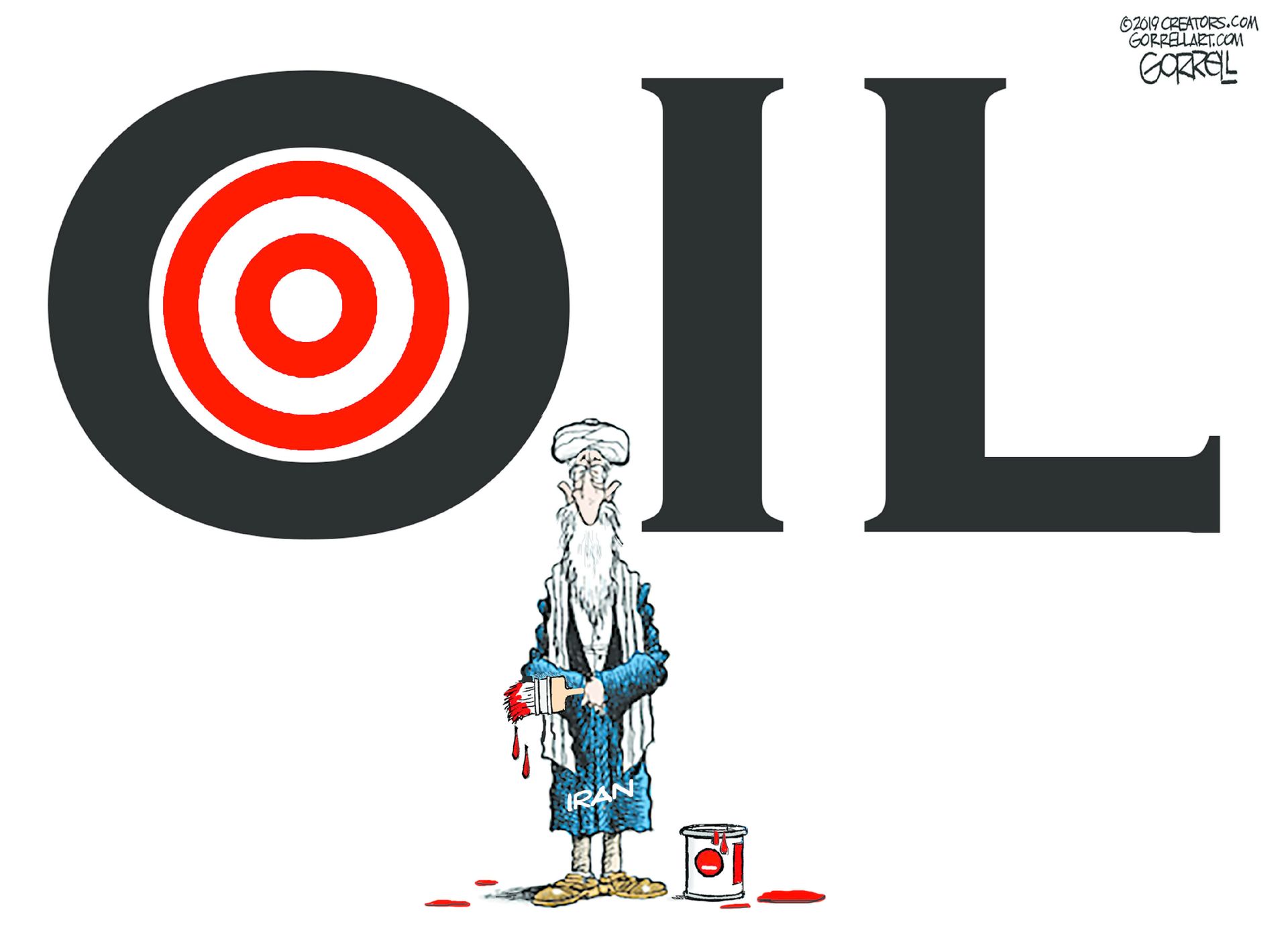
The threat of kinetic action against Iran’s Kharg Island terminal represents more than a localized military strike; it is an attempt to forcibly reprice the global risk premium of the Strait of Hormuz. By targeting the point of origin for 90% of Iranian crude exports, the strategy shifts from broad economic sanctions to the physical elimination of supply-side infrastructure. This creates a binary state for global energy markets where the marginal cost of oil is no longer determined by production quotas, but by the structural integrity of a single T-head jetty.
The Structural Vulnerability of the Kharg Island Terminal
Kharg Island functions as a strategic bottleneck because of its geological and engineering constraints. Located 25 kilometers off the coast, the facility utilizes deep-water berths that allow Very Large Crude Carriers (VLCCs) to dock—a capability most mainland Iranian ports lack. If this infrastructure is degraded, the Iranian state loses its primary mechanism for hard currency inflow, as the logistical "workarounds" involve ship-to-ship transfers that are easily monitored and interdicted.
The terminal’s vulnerability is defined by three specific high-value assets:
- The T-Head and Sea Island Jetties: These are the physical docking points. Their destruction prevents VLCCs from mooring, effectively grounding the fleet.
- Storage Tank Farms: Kharg holds a capacity of approximately 28 million barrels. Destroying these creates a massive environmental and economic sunk cost, as the oil cannot be re-routed to the mainland once the pumping pressure is lost.
- Pump Stations and Manifolds: These are the "nervous system" of the island. While less visually dramatic than a burning tank, the precision destruction of manifolds renders the entire plumbing of the island inert, requiring specialized parts that are currently under heavy export controls.
The Geopolitical Cost Function of an Energy Siege
The pressure on allies to secure oil chokepoints—specifically the Strait of Hormuz—is a redirection of the security burden. In this framework, the United States signals that while it provides the kinetic capability to strike, the regional and global beneficiaries of stable energy prices must provide the "constabulary" presence. This creates a fragmented cost function for the global economy.
The first variable in this function is Operational Redundancy. Most Gulf allies have invested in pipelines that bypass the Strait of Hormuz, such as Saudi Arabia’s East-West Pipeline and the Abu Dhabi Crude Oil Pipeline (ADCOP). However, these pipelines have a finite capacity. If Kharg Island is neutralized and Iran responds by attempting to close the Strait, the total bypass capacity of approximately 6.5 million barrels per day (bpd) would be insufficient to cover the 20+ million bpd that typically flows through the waterway.
The second variable is Insurance and Freight Escalation. Even without a total closure, the mere "warning" of strikes triggers a spike in War Risk Insurance premiums. Shipowners demand higher "danger pay" for crews and higher charter rates for hulls. This creates an invisible tax on every barrel of oil, regardless of whether a strike occurs.
The Logic of the Kinetic Multiplier
Kinetic threats function as a multiplier for existing sanctions. Sanctions are attritional; they work over years by degrading the target's ability to maintain equipment and find buyers. A strike on Kharg Island is an instantaneous decapitation of the revenue stream.
The strategic intent behind "pressuring allies" is to establish a multilateral defense perimeter that prevents Iran from using its "asymmetric veto"—the ability to mine the Strait or deploy swarm boats against tankers. By forcing allies to commit naval assets, the U.S. creates a sunk-cost trap: once these nations have deployed their fleets to protect their own energy security, they are effectively tethered to the U.S. strategy of maximum pressure, whether they diplomatically agree with it or not.
Secondary Market Distortions and Chinese Arbitrage
A significant blind spot in the current rhetoric is the role of the "shadow fleet." A large portion of Iranian crude is sold to independent refineries in China (teapots) using non-Western tankers and financial systems. If Kharg Island is struck, this entire ecosystem collapses.
- Supply Shock: China would be forced to seek replacement barrels from the spot market, driving up the price for Brent and WTI, which impacts Western consumers.
- Refinery Economics: Teapot refineries that rely on discounted Iranian heavy crude would face insolvency or require state bailouts, creating internal economic friction within China.
- The SPR Variable: The U.S. Strategic Petroleum Reserve (SPR) remains a tool for domestic price stabilization, but its effectiveness is limited if the disruption is seen as the start of a multi-year regional conflict rather than a short-term supply blip.
Strategic Response Requirements
To navigate the escalation, stakeholders must move beyond the "threat" phase and analyze the specific technical triggers of a conflict. A strike on Kharg Island is not a singular event but the start of a feedback loop.
- Immediate Hardening of Alternative Infrastructure: Allies must maximize the throughput of the East-West and ADCOP pipelines immediately, moving from 60% utilization to 100% to create a buffer.
- Naval Interoperability: Pressure on allies must manifest as integrated maritime patrols. The "chokepoint" cannot be secured by a single navy; it requires a distributed sensor net of autonomous underwater vehicles (AUVs) and aerial surveillance to counter the threat of sea mines.
- The Repair Cycle Assessment: Analysts must quantify the "Time to Recovery" (TTR) for Kharg. If the strike targets the manifolds and specialized pumping equipment, the TTR could be 18–24 months given the current sanctions on high-tech oilfield services. If it targets the tank farms, the TTR is 6 months.
The tactical play for global energy firms is to hedge against a 20% volatility spike while simultaneously de-risking from any supply chain that touches the Strait. The era of assuming the "freedom of navigation" is a free utility provided by the U.S. Navy has ended; it is now a priced-in operational cost that will be reflected in every energy contract for the foreseeable future.