The steel tray hits the floor of a cell in Tel Aviv with a sound that echoes through the corridors of Spanish diplomacy. It is a dull, metallic thud—the sound of a meal refused. For Iago Moreno and his companion, the act of eating has become a betrayal of their mission. They are two Spanish activists, far from the rolling green hills of Galicia, now sitting in the sterile, suffocating silence of an Israeli detention center.
This isn't just a legal dispute over transit visas or maritime borders. It is a collision between two states that have spent the last year screaming at each other across the Mediterranean. When the news reached Madrid that these men had stopped eating, the political temperature didn't just rise. It boiled.
Spain and Israel were once partners in a delicate dance of trade and security. Today, they are two boxers in a clinching hold, refusing to let go and refusing to stop hitting. The detention of these activists is the latest bruise.
The Boat That Never Arrived
The activists were part of a flotilla, a collection of vessels carrying nothing but food, medicine, and the stubborn hope that they could break a blockade that has stood for nearly two decades. On paper, it was a humanitarian mission. In the eyes of the Israeli military, it was a provocation.
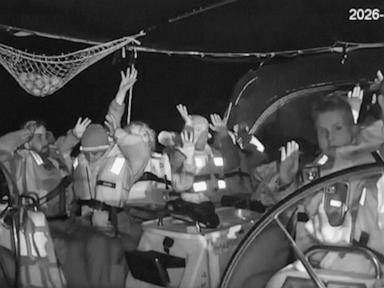
When the commandos boarded, there were no shots fired. No cinematic explosions. Just the cold, efficient reality of maritime law being enforced by people with much bigger guns. The men were taken. The supplies were diverted. And the Spanish government, already one of the most vocal critics of Israel’s military campaign in Gaza, found itself in a hostage-negotiation mindset without an actual hostage situation.
Madrid views Iago and his colleagues as citizens practicing their right to peaceful protest. Jerusalem views them as accomplices to a narrative that undermines their national security. Between these two definitions lies a prison cell where the only thing growing is the hunger of the men inside.
A Hunger That Speaks
A hunger strike is a strange weapon. It is the ultimate expression of powerlessness used to exert total control over a narrative. By refusing to sustain their own lives, Iago and his fellow detainee are forcing the Spanish Consulate to work overtime. They are turning their bodies into a ticking clock.
Imagine the scene at the Spanish Ministry of Foreign Affairs. Phones are buzzing with the kind of frantic energy usually reserved for natural disasters. Ministers are drafting statements that try to balance the protection of their citizens with the increasingly frayed threads of international protocol.
The tension isn't just about two men in a cell. It is about what they represent. Spain was the first major European power to break ranks and officially recognize the State of Palestine earlier this year. That move was a lightning bolt. It shattered the European Union’s facade of unity and earned Madrid a permanent spot on Israel’s "unfriendly" list.
Now, every hour these men go without food, the pressure on Prime Minister Pedro Sánchez increases. If he does nothing, he looks weak to his base. If he pushes too hard, he risks a total diplomatic break with a key intelligence partner in the Middle East.
The Invisible Stakes of a Cold Plate
The reality of international relations is often found in the things we don't see. We see the protests in the streets of Barcelona. We see the stern faces of diplomats on the evening news. We don't see the quiet panic of a mother in Spain waiting for a phone call that may never come. We don't see the Israeli jailer who has to decide how to handle a prisoner who is slowly fading away in front of him.
This is the human element that gets scrubbed out of the "dry" news reports. The "tensions" mentioned in headlines are actually heartbeats. They are the sweaty palms of a legal attaché trying to explain Israeli military law to a family that only cares about whether their son is hydrated.
Logic suggests that these men will eventually be deported. That is the standard procedure. But we are no longer living in a world of standard procedures. The rules of engagement have shifted. In this new era, a Spanish passport is no longer a shield; it is a target for political messaging.
The Weight of a Silence
Israel maintains that the blockade is a legal necessity to prevent the flow of weapons. To them, the Spanish activists are not heroes; they are distractions. They are people who have inserted themselves into a war they do not fully understand, complicating a security situation that is already on a knife-edge.
From the Israeli perspective, allowing these men to go free without consequence sends a message that the blockade is negotiable. It suggests that any European with a boat and a conscience can bypass military checkpoints.
But for the activists, the risk of starvation is a small price to pay to keep the world’s eyes on the Gaza Strip. They know that as long as they are in that cell, the Spanish media will keep talking about the blockade. They are trading their physical health for airtime. It is a brutal, calculated exchange.
The Breaking Point
The diplomatic cables flying between the two nations are becoming shorter and more aggressive. Spain has already summoned ambassadors. Israel has issued blistering rebukes, accusing Spain of "rewarding terror."
At what point does the rope snap?
When a citizen is detained by a foreign power, the state has a moral obligation to intervene. But when that citizen has gone there specifically to challenge that foreign power's laws, the moral obligation becomes a political nightmare. The Spanish government is effectively being asked to defend people for breaking a law that Spain itself doesn't recognize as legitimate.
It is a legal paradox wrapped in a human tragedy.
Iago Moreno and his companion are not just names on a manifest anymore. They have become symbols of a much larger divorce. They are the physical manifestation of a Europe that is no longer content to sit on the sidelines of the Middle East conflict, and an Israel that is no longer interested in European approval.
The walls of the cell are cold. The water in the plastic cup is untouched. Every minute that passes is a minute where the distance between Madrid and Jerusalem grows by another mile.
The hunger strike will end. One way or another, the men will leave that facility. But the relationship they have helped dismantle may not be so easily repaired. The plates are empty, the stomachs are cramping, and the politicians are running out of words.
In the quiet of the detention center, the only sound left is the clock on the wall, marking the time until someone finally blinks.