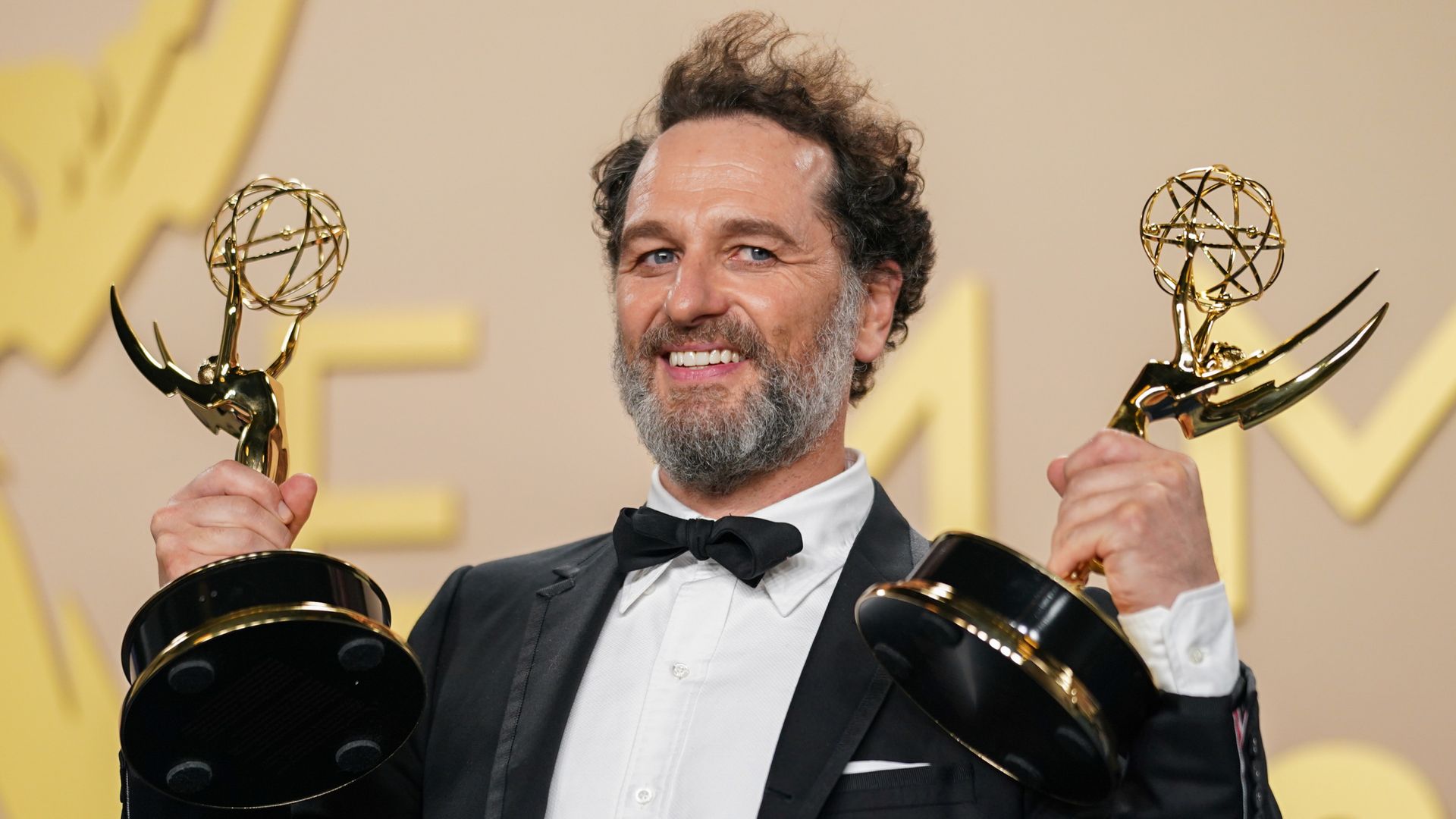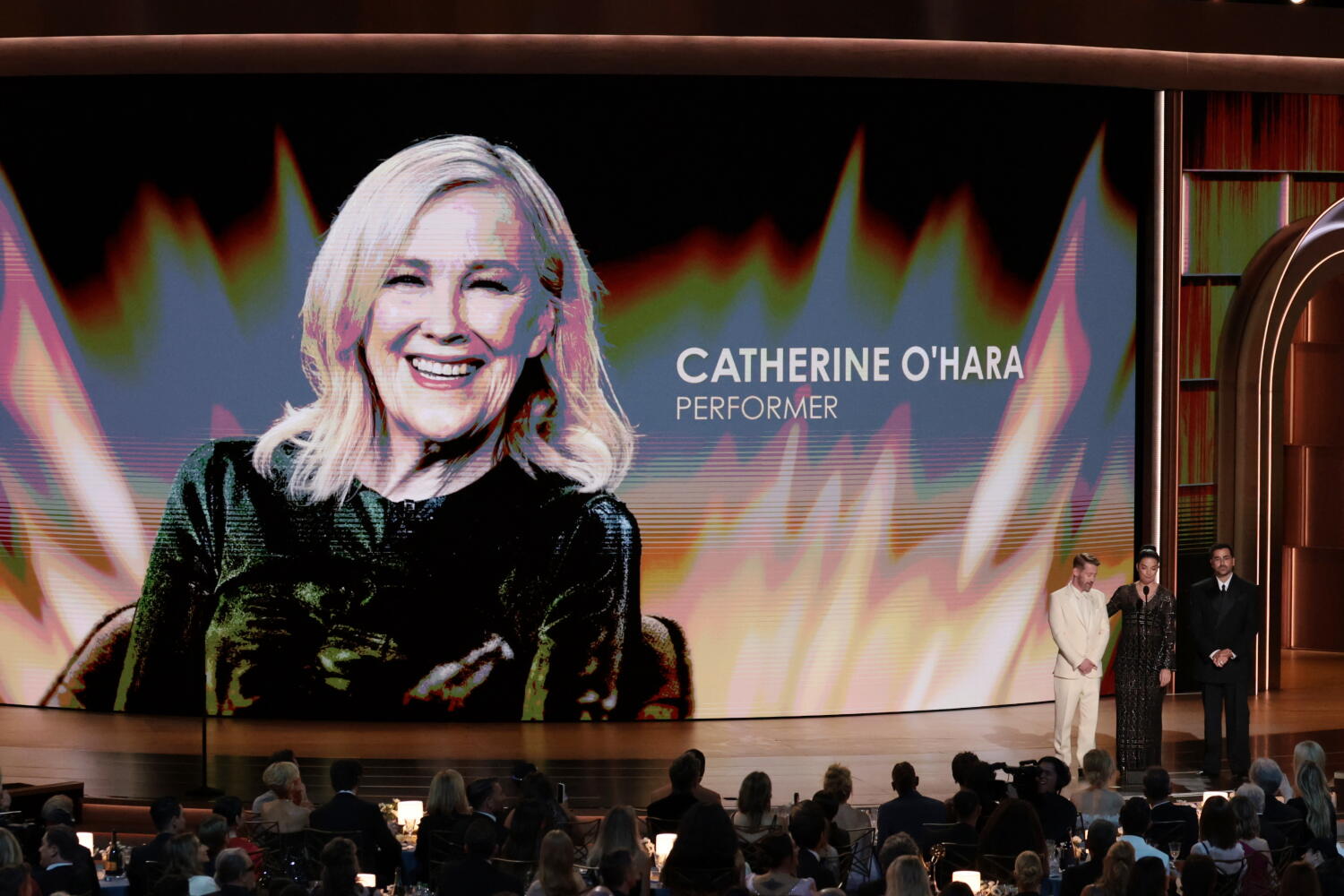
Television history is littered with rushed montages, truncated names, and background music loud enough to drown out the weeping in the stalls. But when the Emmy Awards roll out their annual In Memoriam segment, the industry reveals its true operational mechanism. It is an exercise in public relations disguised as grief. The recent ceremony featured Catherine O'Hara's on-stage tribute delivered by her former on-screen children, alongside Jamie Lee Curtis remembering Rob Reiner. Yet beneath the emotional spectacle lies a cold calculation. Hollywood does not pause to honor its dead out of pure reverence. It packages them to capture ratings, manufacture viral clips, and manage its own fragile legacy.
For decades, the television academy has treated mortality like a programming slot. You have precisely ninety seconds to condense sixty years of character actor sweat, stunt coordination, lighting design, and writer's room burnout into a fast-paced slide deck. If you stayed behind the camera, you get a microsecond on a side monitor while the camera cuts to a smiling nominee in the third row. The structural flaw is not merely logistical. It is philosophical. The industry views creative lives as disposable assets until the moment of expiration turns them into nostalgic currency. Also making news lately: What You Missed During the Emmy Awards When the Cameras Stopped Rolling.
The mechanics of the tribute deserve a closer look. When producers select who gets a spoken-word tribute versus who gets a silent flash in a four-person grid, they are not consulting a committee of historians. They are looking at Q-scores and demographic appeal. Catherine O'Hara honoring someone, or Jamie Lee Curtis commanding a microphone, functions as a tentpole. It guarantees that entertainment news outlets will pick up the feed the following morning. The human cost of this selection process is brutal. Countless technicians, grips, and supporting players who built the very infrastructure of television are wiped from the screen to make room for a celebrity presenter delivering a tearful anecdote that may or may not have been vetted by a publicist.
Consider how the television landscape has mutated over the past twenty years. Prestige cable and streaming services have flooded the market with talent, expanding the pool of potential honorees exponentially while shrinking the broadcast window allocated to remembrance. The math simply does not work. Yet the academy refuses to expand the segment because doing so would cut into ad revenue or pacing. Instead, they compress the tragedy of passing into a high-speed carousel. You see a beloved director followed immediately by a reality television personality, flattened into the exact same visual weight. Further details regarding the matter are covered by Vanity Fair.
There is an inherent cynicism in how networks handle the aftermath as well. The clips generated from these live broadcasts are weaponized across social media platforms within minutes. Algorithms reward emotional peak moments. Tears shed on a live telecast become impressions, shares, and engagement metrics. When Jamie Lee Curtis speaks about Rob Reiner, the weight of their shared history is real, but the context transforms that weight into content. The television business thrives on turning real human grief into a recurring revenue stream.
Critics often point out that the academy misses major figures every single year. The omissions are rarely accidental. They are the result of an insular voting body that prioritizes on-camera faces over the labor force that keeps the lights on. If you never hosted a game show, starred in a sitcom, or ran a network, your chances of receiving a dedicated nod during the broadcast approach zero. You become a small text box at the bottom of a website link that nobody clicks.
This brings us to the core contradiction of the modern television celebration. The people who consume these shows demand authenticity, yet the institutions producing them are incapable of offering anything other than manufactured sentiment. Every tear is backlit. Every speech is timed to the second. When a presenter's voice cracks, the audio mixer is right there to enhance the resonance. We are watching a simulation of mourning performed by people whose primary job is acting.
The industry pretends that these tributes are for the deceased. They are not. They are for the living, designed to reassure the audience that the machine still cares about its own. It tells the viewers at home that Hollywood is a family, a tight-knit community that never forgets its own children. But walk onto any backlot in Burbank, talk to retired crew members who spent forty years hauling cables in the heat, and ask them how much the family cares once the union health insurance lapses.
Television is an art form built on illusion. It should not surprise anyone that the final curtain call is the biggest illusion of all. We get our catharsis in digestible thirty-second chunks, wipe our eyes during the commercial break, and return to the new season of whatever serialized drama is currently dominating the algorithm. The names scroll by faster than the eye can track, fading into the dark before the next sponsor message rolls across the screen.