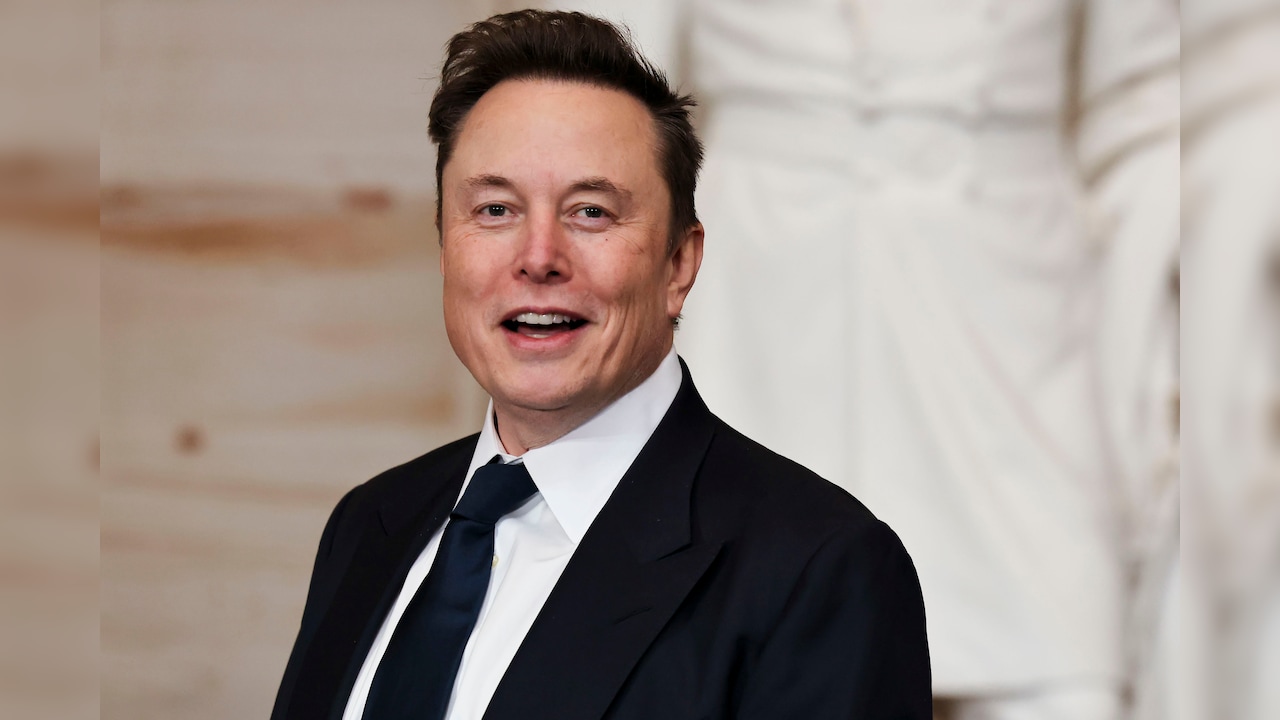
Australia wants to lock teenagers out of social media, and Elon Musk's X is pushing back hard. Canberra's world-first law barring under-16s from popular platforms took effect last December, but the fight is far from over. Lawmakers now want to double maximum penalties to A$99 million and grant the nation's internet regulator aggressive new powers to demand documents from foreign entities.
X filed a formal submission with an Australian senate committee, arguing that these stricter enforcement proposals conflict with international law. The platform claims the changes would force people outside Australia to hand over files simply because they are affiliated with a corporate network. This battle goes far beyond local politics. It sets a massive precedent for how individual countries can police global tech giants.
The Core Conflict Behind the Crackdown
When Australia passed legislation forcing tech companies to keep children under 16 off their networks, platforms scrambled to respond. Many tech executives argued that the policy would push young users toward shadowy, unmoderated alternative sites. Others pointed out that reliable age-verification tools do not exist yet without invading adult privacy.
X took a different legal tack in its latest submission. The company argued that expanding the eSafety Commissioner's document-discovery rights undermines international comity. Basically, it creates a system where an Australian regulator can reach across borders and demand records from foreign nationals without proper procedural checks.
Elon Musk previously labeled the entire ban a backdoor attempt to control internet access for all citizens. Now, his platform is backing up that rhetoric with formal legal pushback as parliament weighs whether to hand regulators sharper investigative teeth.
Why Regulators Want More Power
The Australian government claims its current enforcement toolkit is too weak. Officials told the senate committee that their inability to compel documents from third-party age assurance providers creates massive roadblocks. Right now, regulators mostly rely on tech companies to grade their own homework regarding compliance.
If passed, the updated bill would raise penalties to A$99 million for platforms that fail to take reasonable steps to block underage users. Regulators argue that tech companies have billions of dollars in resources and can easily afford to build robust age-checking protocols. Without teeth in the legislation, they argue, platforms will simply ignore the mandate.
The Global Free Speech Fallout
This clash is attracting attention from lawmakers outside of Australia. A United States congressional committee has already questioned the eSafety Commissioner, accusing the regulatory framework of threatening American free speech norms. When a single country tries to enforce strict age limits on global networks, it forces foreign companies to either redesign their products globally or block access entirely for specific regions.
Tech industry groups like DIGI have pointed out that existing enforcement powers remain largely untested in court. Rushing to pass harsher penalties before current rules play out could trigger endless litigation.
If you run a digital business or follow internet policy, pay close attention to how this turns out. The senate committee is scheduled to deliver its final findings on August 25. Whatever lawmakers decide will shape how governments everywhere attempt to regulate online behavior across international borders.