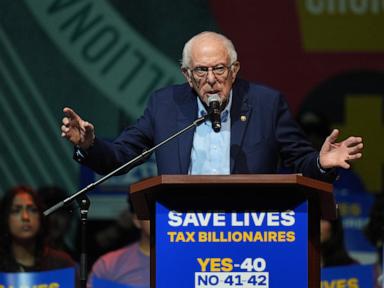
When a high-stakes political battle erupts over ultra-wealthy taxation, you expect predictable battle lines. Progressives shout about economic inequality, while conservative defenders of capital cry foul over state overreach. But the 2026 fight over California Proposition 40 threw those assumptions into a blender. Establishment figures, top Democratic strategists, and Silicon Valley titans locked arms to defeat a first-of-its-kind wealth tax.
If you thought the Democratic party was universally unified behind soaking the rich, reality proved far messier. Understanding how this political alliance formed reveals a lot about where modern political power actually lies. If you found value in this post, you should read: this related article.
The Anatomy of a Massive Wealth Tax Fight
Proposition 40 wasn't just another routine policy debate. It proposed a direct 5 percent levy on the net worth of individuals holding assets over $1 billion. Proponents argued the tens of billions raised would inject much-needed cash into public health care and safety-net programs.
Yet, opposition forces raised an eye-watering war chest totaling nearly $400 million. Google co-founder Sergey Brin alone poured a massive portion of that funding into stopping the ballot measure. Tech moguls weren't the only ones panicking. Major figures within the Democratic establishment walked a very fine line, refusing to back the measure, while moderate and centrist politicians worried about capital flight. For another perspective on this development, check out the latest coverage from Financial Times.
When tech founders start packing up or threatening to relocate their primary residencies over a state tax proposal, local politicians get nervous. The state relies heavily on high-income earners to fund its massive general fund. Punching a hole in that revenue stream through aggressive wealth asset grabs carries real risks, and establishment Democrats knew it.
Why Mainstream Democrats Broke With Progressives
You heard two very different arguments coming from inside the same political party. On one side, national progressives like Senator Bernie Sanders campaigned aggressively for the initiative, framing it as a moral necessity. On the other side, pragmatic state leaders quietly worried about structural economic damage.
Taxing annual income is one thing. Taxing unrealized capital, stocks, and private business valuations is an entirely different beast. Moderate politicians understood that calculating and collecting a one-time wealth tax on volatile assets could trigger endless legal challenges. More importantly, it risked alienating the exact industrial sectors powering the state's economy.
When business interests countered with Proposition 42—a successful measure designed to permanently ban wealth and retroactive taxes—they found unexpected alignment among voters weary of complex fiscal experiments. Voters ultimately drew a sharp line between traditional income taxes on high earners, which they kept, and a sweeping asset wealth tax, which they rejected.
What This Means for Future Fiscal Policy
The defeat of Proposition 40 sends a clear signal to policy designers everywhere. Simply slapping a headline-grabbing percentage on net worth doesn't automatically win over a pragmatic electorate, even in deep-blue states.
Wealthy individuals possess the geographic mobility and legal firepower to fight back aggressively. When billionaires spend hundreds of millions of dollars on targeted messaging, warning everyday citizens that a wealth tax threatens ordinary retirement accounts and pensions, public support erodes quickly.
If you are tracking where tax policy is heading next, look past the populist rhetoric. Real-world tax reform requires navigating a labyrinth of economic dependencies, capital flight risks, and deep intra-party fractures. Elite Democrats and Silicon Valley elites might sit on different sides of cultural debates, but when it comes to protecting the core mechanics of venture capital and asset accumulation, their interests frequently align behind closed doors.
California Democrats Divided over Billionaire Wealth Tax, Paramount Merger, Future of the Party
This video explores the deep political fractures and debates among California Democrats regarding the high-stakes billionaire wealth tax proposal.