When midterm voters delivered a stinging rebuke to the Republican Party in November 2026, they were not merely expressing fatigue with Washington gridlock. They were issuing a direct verdict on an escalating military confrontation with Iran that shattered the core promise of Donald Trump’s political movement. For nearly a decade, Trump built an unassailable bond with his base by pledging to end America’s "forever wars" and keep U.S. troops out of Middle Eastern quagmires. Yet by the autumn of 2026, rising energy costs, global shipping disruptions, and the specter of a prolonged ground conflict had alienated independent voters and fractured the conservative coalition, leaving the White House cornered between military escalation and political survival.
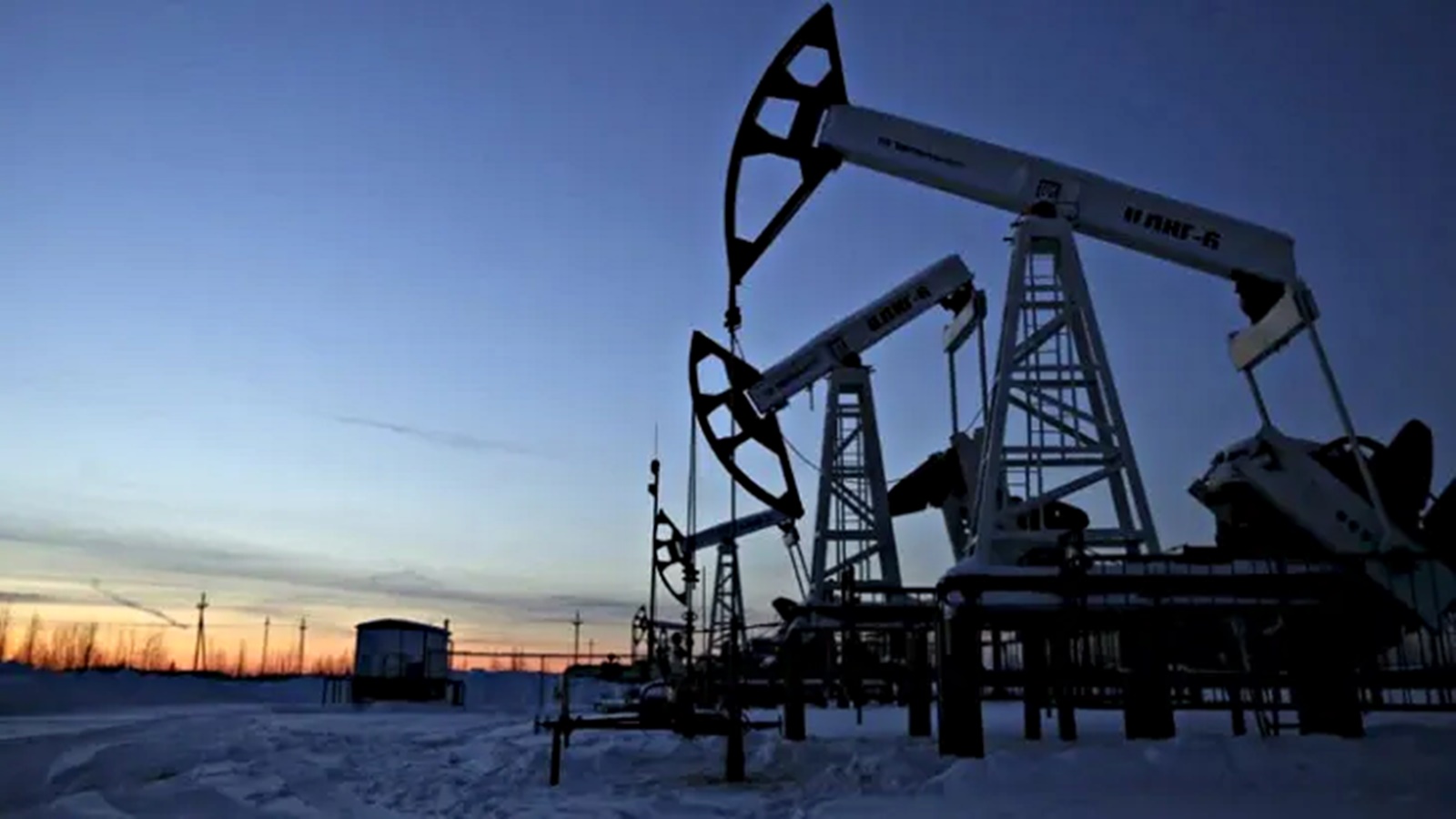
The numbers tell a stark story. Historically, the party holding the White House loses seats in midterm elections, but the scale of the 2026 GOP losses in key suburban battlegrounds pointed to a deeper structural failure. Exit polling and district-level post-mortems revealed that economic anxiety—specifically fuel prices and renewed inflationary pressure—remained the top concern for swing voters. Those economic pressures did not emerge in a vacuum. They were the direct downstream consequence of naval skirmishes in the Persian Gulf, missile exchanges across the Levant, and insurance premiums skyrocketing for commercial tankers passing through the Strait of Hormuz.
How a Campaign Promise Became a Strategic Liability
To understand how the administration walked into this trap, you have to look at the competing factions inside the West Wing and the Pentagon. Throughout his first term and his 2024 campaign, Trump treated foreign policy as an exercise in maximum pressure followed by transactional deal-making. The theory was simple. Hit an adversary hard enough to prove unpredictability, then force them to the negotiating table on favorable terms.
That doctrine worked when the target was isolated or lacked asymmetric leverage. It broke down when applied to Tehran.
Iranian military planners spent twenty years preparing for precisely this scenario. Rather than matching American conventional superiority ship for ship or jet for jet, Tehran decentralized its command structure and empowered regional proxies across Iraq, Syria, Lebanon, and Yemen. When Washington tightened sanctions and authorized targeted strikes against Iranian naval assets and nuclear-linked infrastructure, Tehran did not capitulate. Instead, it widened the battlefield horizontally. Every American strike triggered retaliatory drone swarms against regional energy infrastructure or commercial shipping lanes.
The White House suddenly found itself fighting a war of attrition on an adversary's terms. You cannot negotiate a quick, splashy bilateral deal when your opponent is bleeding your economy through third-party proxies thousands of miles away. By mid-2026, the administration was caught in an escalatory ladder where every rung upward drove domestic gas prices higher, directly eroding the Republican Party’s strongest historical advantage: perceived competence on the economy.
The Anatomy of the GOP Coalition Fracture
Washington pundits often treat the Republican electorate as a monolith, assuming that loyalty to Trump overrides policy disagreements. The 2026 midterms proved that assumption wrong. The Iran conflict exposed a deep ideological fissure within the right that had been papered over during the 2024 presidential race.
On one side stood the traditional hawkish wing of the party, backed by defense-oriented donors and senior Senate Republicans. This faction viewed the conflict as a historic opportunity to permanently degrade Iranian military capabilities and dismantle Tehran's nuclear ambitions once and for all. For them, any pause in military operations looked like weakness.
On the other side stood the populist, nationalist wing—the very voters in Pennsylvania, Michigan, and Wisconsin who delivered Trump the presidency. This bloc took the "America First" doctrine literally. To them, spending billions of dollars on naval deployments, missile defense interceptors, and regional security guarantees while working-class families struggled with grocery and fuel bills felt like a betrayal.
Turnout models from the November election illustrate the damage. While core MAGA voters did not defect to the Democratic Party in massive numbers, hundreds of thousands simply stayed home. Enthusiasm collapsed in rural counties that had previously been reliable GOP strongholds. Simultaneously, suburban independents—who might have tolerated Trump’s rhetoric in exchange for low inflation and border security—recoiled at the prospect of another open-ended Middle Eastern war. The GOP lost the middle while failing to mobilize its base.
The Myth of the Clean Exit
With a newly empowered opposition in Congress preparing to scrutinize war powers, defense appropriations, and intelligence assessments, Trump faces a brutally narrow set of options. In Washington, advisors are quietly debating three distinct paths, each carrying severe political and strategic costs.
The first option is unilateral de-escalation. Under this approach, the White House would declare that its core objectives—degrading Iranian missile production and naval capacity—have been achieved, unilaterally halt offensive strikes, and allow regional mediators like Oman or Qatar to broker an informal ceasefire. Politically, this allows Trump to reclaim his mantle as a peacemaker ahead of the 2028 cycle. Strategically, however, it carries immense risk. If Tehran views an American pullback as a sign of domestic political weakness, Iranian proxies could resume attacks on shipping lanes within months, forcing the administration into an even more humiliating reversal.
The second option is the decisive knockout blow. Hawks within the national security apparatus argue that half-measures caused the current stalemate. They advocate for a massive, concentrated air and naval campaign targeting Iran’s remaining energy export terminals, command centers, and nuclear facilities, aiming to cripple the regime's ability to project power for a decade. Yet military planners privately warn that air power alone rarely forces regime capitulation. Such an operation would almost certainly trigger a total closure of the Strait of Hormuz, sending global crude oil prices surging past $130 a barrel and guaranteeing a severe global recession. For a president already bruised by midterm economic discontent, triggering an oil shock is political suicide.
The third option is containment and regional burden-shifting. This strategy involves pulling back high-profile American offensive assets while surging air defense systems, intelligence sharing, and weapons sales to Gulf Arab states and Israel, effectively asking regional partners to carry the kinetic weight of the conflict. While conceptually appealing, this approach relies on allies whose domestic populations are deeply wary of being caught in the crossfire between Washington and Tehran. Gulf states spent years repairing diplomatic ties with Iran precisely to protect their own economic diversification plans; they have little appetite for serving as Washington's forward shield.
Why Congress Holds New Leverage
For the past two years, the executive branch operated with minimal legislative friction, relying on broad interpretations of Article II constitutional powers and legacy authorizations for the use of military force. That era ended on election night.
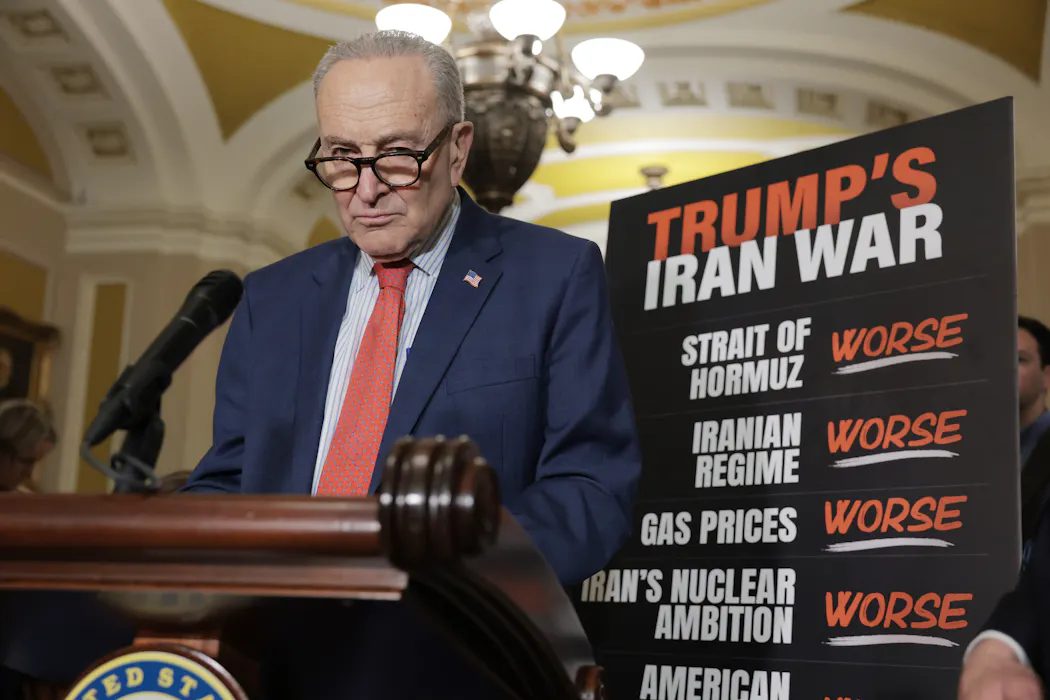
With the balance of power shifting on Capitol Hill, lawmakers possess concrete tools to constrain the White House. Even without a veto-proof majority to override presidential war powers, committee chairs now control the subpoena power and the legislative calendar. Hearings into intelligence failures, the true fiscal cost of naval deployments, and the depletion of critical U.S. munitions stockpiles—particularly advanced interceptors needed for deterrence in the Indo-Pacific—will dominate the news cycle.
Furthermore, a skeptical Congress can attach strict riders to must-pass defense authorization bills, prohibiting the use of federal funds for sustained ground operations or unauthorized strikes inside Iranian territory. In a political environment where fiscal conservatives are already balking at soaring national debt, the price tag of keeping multiple carrier strike groups on continuous high alert in the Persian Gulf becomes an easy target for bipartisan scrutiny.
The Indo-Pacific Blind Spot
Lost in the daily coverage of Middle Eastern skirmishes and domestic electoral fallout is the broader strategic cost playing out thousands of miles to the east. Every destroyer stationed in the Red Sea, every Patriot battery deployed to the Persian Gulf, and every long-range bomber tasked with Middle East deterrence is an asset unavailable for the Pacific theater.
Defense analysts have warned for years that the United States military is structured to fight one major regional conflict, not two simultaneous crises. By allowing the administration to become bogged down in an attritional standoff with Iran, Washington has inadvertently handed Beijing a massive strategic gift. While American defense contractors struggle to replenish stockpiles of standard missiles and naval munitions expended against low-cost Iranian drones, China continues to expand its naval footprint and modernize its rocket forces unchallenged.
History offers a clear warning here. In the early 2000s, the fixation on Iraq and Afghanistan consumed American strategic bandwidth for more than a decade, allowing rival powers to close the technological and military gap while Washington bled blood and treasure in the desert. Trump rose to political prominence precisely because he recognized the folly of that era. Repeating the same strategic overextension—even under a different rhetorical banner—threatens to undermine his entire foreign policy legacy.
Navigating the Narrow Corridor Ahead
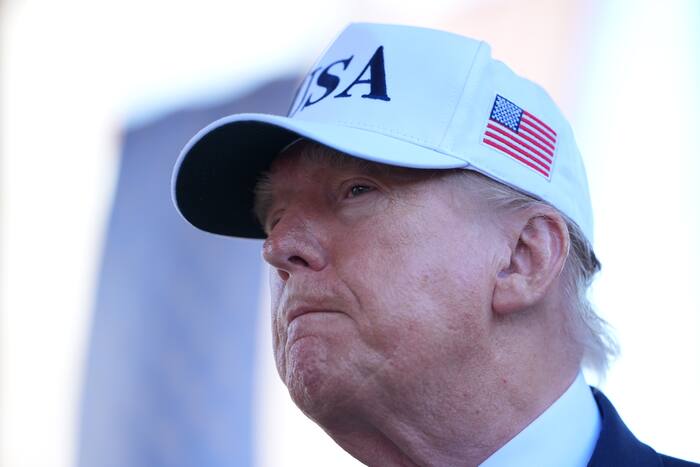
Ultimately, the crisis confronting the White House is not just a military puzzle; it is a test of political identity. Donald Trump’s greatest asset has always been his ability to pivot abruptly, discard failing narratives, and claim victory regardless of the underlying reality on the ground. Unlike traditional politicians bound by ideological consistency, he has the rare capacity to walk away from an unpopular entanglement and convince his followers that the exit was the plan all along.
Whether he exercises that instinct now will define the remainder of his presidency. Continuing down the current path of incremental escalation guarantees further economic pain at home, deeper fractures within the conservative coalition, and a paralyzed legislative agenda for the next two years. Striking a quiet, imperfect off-ramp—even one that draws fierce criticism from Washington hawks—remains the only viable way to stabilize energy markets, refocus on domestic economic growth, and prevent a midterm setback from hardening into a permanent political collapse.