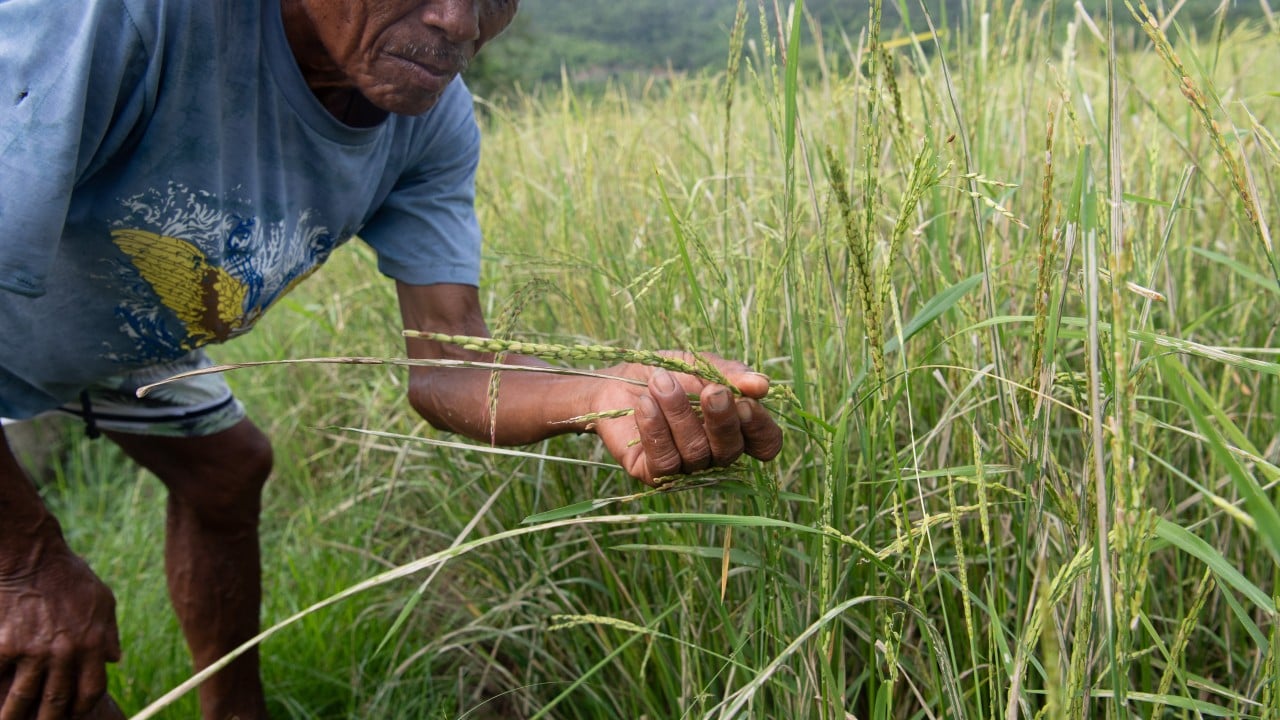
Mainstream climate reporting has fallen into a predictable, lazy rhythm. A weather pattern intensifies, the spreadsheets come out, and suddenly headlines are screaming about a 30% collapse in Philippine rice yields. It is a neat, terrifying narrative that sells papers and triggers emergency government funding.
It is also completely wrong.
The panic machine assumes Philippine agriculture is a static, defenseless victim waiting to be scorched by a dry spell. This worldview ignores the actual mechanics of modern agronomy, the economics of water management, and the reality of how farmers operate on the ground. The threat is not the weather. The threat is the policy paralysis induced by sensationalized data.
The Myth of the Linear Crop Collapse
Doom-mongers look at a projected drop in rainfall and apply a basic linear equation: 30% less rain equals 30% less rice. Anyone who has actually managed agricultural supply chains or analyzed field data knows this is not how biology works.
Rice is not a uniform crop grown in a single, vulnerable ecosystem. The Philippines features a highly fragmented agricultural topography split between irrigated systems and rainfed uplands.
Irrigated farms, which account for the vast majority of national rice production during the dry season, do not rely on immediate rainfall. They rely on massive reservoir systems like Pantabangan and Magat. A standard El Nino cycle does not instantly dry up these massive infrastructure assets. In fact, increased solar radiation—a direct byproduct of cloudless El Nino skies—frequently accelerates photosynthesis, leading to higher crop yields per hectare, provided the irrigation networks maintain baseline functionality.
I have watched analysts sit in Manila offices predicting total ruin while farmers in Nueva Ecija were quietly harvesting bumper crops because they had optimal sunlight and controlled water delivery. The panic metrics consistently overlook this solar premium.
The Real Enemy is Infrastructure Neglect, Not the Sun
When production dips, the weather is a convenient scapegoat for bureaucrats. It absolves the Department of Agriculture of decades of misallocated capital.
The real metric to watch is not the temperature gauge; it is the water conveyance efficiency rate. A shocking amount of water is lost to evaporation and unlined earthen canals before it ever reaches a paddy.
Focusing on a 30% yield risk from climate factors is asking the wrong question entirely. The question we should be asking is why the national irrigation network operates at such abysmal efficiency levels that a standard cyclical weather event triggers a national crisis.
If the country transitioned even a fraction of its rainfed areas into managed solar-powered irrigation zones, the phrase "Super El Nino" would lose its power to destabilize the market.
The Import Obsession and the Artificial Supply Squeeze
The immediate reflex to an El Nino headline is to flood the market with imported Vietnamese or Thai rice. This panic-buying does far more damage to the domestic agricultural economy than a dry spell ever could.
When the government signals massive, desperate tenders, global prices spike. Concurrently, domestic farmgate prices plummet as traders anticipate a deluge of cheap foreign grain. The local farmer gets squeezed from both sides: input costs rise due to general inflation, and the value of their harvest is suppressed by policy-driven market distortion.
Consider the following structural reality of the Philippine rice market:
| Variable | The Panic Narrative | The Economic Reality |
|---|---|---|
| Yield Driver | Rain dependent across all regions | Solar radiation premium drives irrigated yields |
| Water Strategy | Conserve and restrict distribution | Optimize rotational irrigation and alternative wetting |
| Market Response | Aggressive import tenders | Strategic buffer stocking without market flooding |
The standard playbook tells us to hoard grain and restrict distribution to conserve water. The actual data suggests that implementing Alternative Wetting and Drying (AWD) techniques—where paddies are allowed to dry out periodically rather than remaining permanently flooded—saves up to 30% of water while actually increasing root health and yield. But AWD requires technical training and disciplined execution, things that cannot be achieved by screaming about a climate catastrophe.
Dismantling the Food Security Panic
Open any standard news report on Philippine agriculture and you will find variations of the same question: "How will the Philippines survive the upcoming food shortage?"
The premise itself is flawed. The country is not on the brink of starvation. The global rice market is highly liquid, and domestic production has shown remarkable resilience over a twenty-year horizon, consistently rebounding faster than models predict.
The danger lies in the misallocation of capital driven by this fear. Millions of pesos are redirected into short-term subsidy band-aids rather than long-term resilience projects like cold storage facilities, post-harvest drying equipment, and deep-well drilling. We are burning cash on temporary relief because we lack the stomach to fix the structural plumbing.
The downside to pushing back against this consensus is obvious: you get accused of minimizing the hardships of smallholder farmers. But real empathy does not mean validating inaccurate data. It means demanding that the funds meant for those farmers are spent on concrete canals and solar pumps rather than press conferences and emergency import licenses.
Stop tracking the clouds. Start tracking the capital expenditure budgets of the irrigation administration. That is where the battle for food security is won or lost. Everything else is just noise.