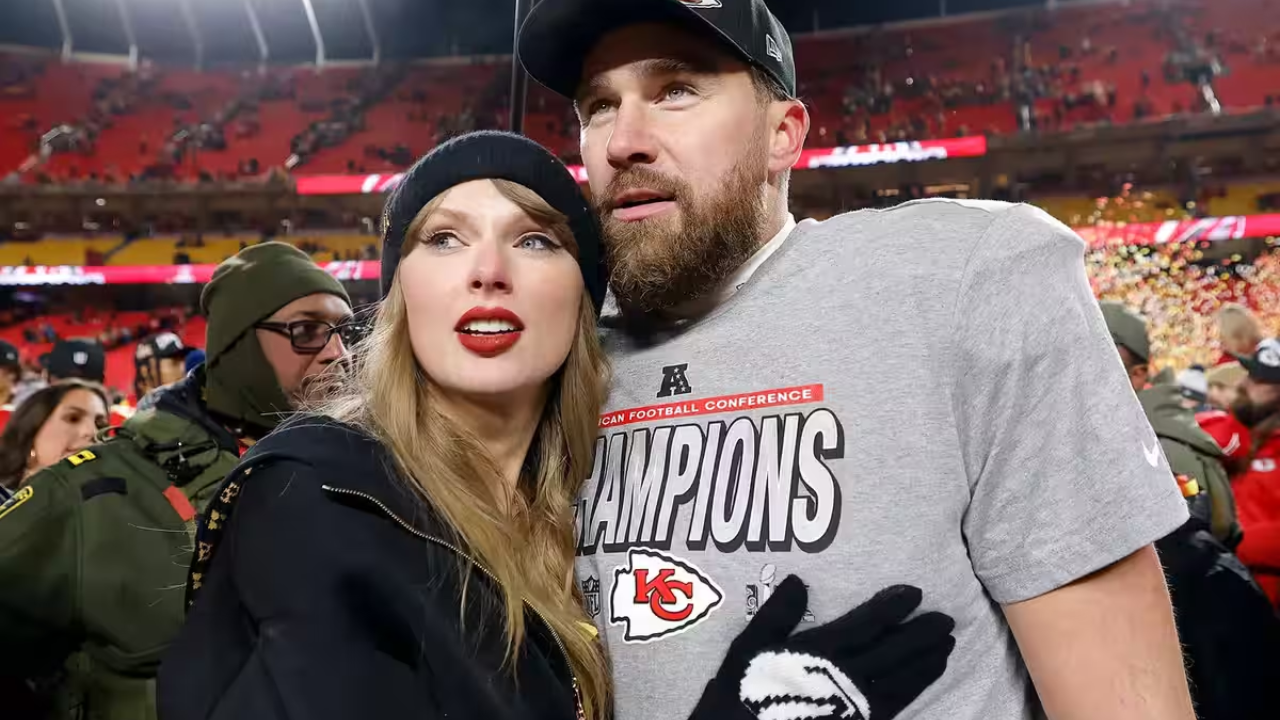
High-net-worth individuals face a structural inefficiency during major life events: traditional gift-giving mechanisms fail when the recipients already possess the capital to acquire any material good on demand. When public figures such as Taylor Swift and Travis Kelce elect to bypass traditional wedding registries in favor of directing guest capital toward animal rescue organizations, the decision operates less as a sentimental gesture and more as a calculated reallocation of social and financial capital. Analyzing this mechanism requires stripping away celebrity gossip to examine the underlying economics of philanthropic registries, the mechanics of brand equity transfer, and the operational friction points inherent in high-visibility charitable directing.
The Failure of Traditional Gift Utility at Scale
In standard consumer economics, a wedding registry solves an information asymmetry problem. Guests want to transfer utility to the couple without risking duplication or unwanted inventory. The registry acts as a centralized clearinghouse of preferences.
For ultra-high-net-worth individuals (UHNWIs), the marginal utility of an additional physical asset approaches zero. Receiving physical goods creates a negative utility curve driven by three specific operational costs:
- Storage and Logistics Friction: Every physical item requires cataloging, security screening, transport, and storage. For individuals maintaining multiple residences and rigorous security protocols, unsolicited or even solicited physical packages introduce vulnerability and administrative overhead.
- Aesthetic and Contractual Misalignment: Public figures operating at the apex of entertainment and professional sports maintain strict control over their visual environments and brand alignments. A physical gift from an unvetted manufacturer conflicts with curated aesthetics or existing endorsement agreements.
- The Reciprocity Trap: High-status social networks operate on unspoken norms of reciprocal signaling. If a peer group attempts to outspend one another to demonstrate status through physical gifts, the resulting escalation creates social debt rather than genuine utility.
Replacing a material registry with a charitable mandate eliminates all three friction points simultaneously. It converts physical logistics into digital capital transfers, neutralizes brand conflicts, and caps social status competition by shifting the metric from object exclusivity to philanthropic participation.
The Architecture of Philanthropic Capital Redirection
When a high-profile couple designates animal rescue as the sole beneficiary of event-related gifting, they establish a closed-loop capital funnel. Understanding how this funnel operates requires distinguishing between verified structural mechanisms and speculative outcomes regarding specific financial totals.
Direct Guest Capital vs. Parasocial Multiplier Effects
The primary financial flow originates from the immediate guest list. In high-tier celebrity and athletic circles, this cohort comprises executives, fellow entertainers, athletes, and institutional stakeholders. When these guests redirect funds that would otherwise purchase luxury goods, the average contribution per attendee scales significantly higher than standard consumer charitable donations.
The secondary, and often larger, financial flow is the parasocial multiplier. Publicizing a no-gift charitable preference triggers a behavioral cascade among the broader public. Fans and observers, lacking an invitation to the physical event, use the designated charity as a proxy for participation. By donating to the same animal rescue organizations, the public purchases a sense of proximity to the event.
Crucially, because the exact terms, guest lists, and private financial arrangements of celebrity weddings are frequently shielded by non-disclosure agreements and privacy protocols, analysts must separate known facts from unverified claims. While the concept of a no-gift animal rescue initiative aligns with documented philanthropic histories—such as Swift’s established track record of direct financial grants to shelters and Kelce’s foundation work—specific dollar amounts raised through private event registries remain unconfirmed unless disclosed via IRS Form 990 filings or official foundation statements.
Signaling Theory and Brand Equity Arbitrage
In behavioral economics, costly signaling demonstrates commitment and status through actions that cannot be easily faked. For billionaires and multi-millionaire athletes, simply writing a check to a charity is a low-friction action that generates minimal narrative traction. Forgoing personal gifts during a milestone personal event, however, functions as a high-visibility signal of abundance and altruism.
Why Animal Rescue Functions as an Optimal Charitable Vehicle
The selection of animal rescue over complex systemic causes (such as healthcare policy, geopolitical relief, or educational reform) follows a clear risk-mitigation logic:
- Zero Political Polarization: Animal welfare commands near-universal bipartisan support. Unlike human-centric charities that can inadvertently trigger ideological debates regarding resource allocation or systemic culpability, animal rescue presents an uncontroversial moral baseline.
- High Emotional Resonance: Visual and narrative assets associated with animal rescue generate immediate empathetic responses across demographic segments, maximizing organic media amplification.
- Tangible Operational Outcomes: Donors can easily conceptualize the direct utility of their capital—funding shelter operations, veterinary care, and food supplies—without needing to understand complex administrative overhead.
By associating their personal union with animal welfare, the principals execute a brand equity arbitrage. They lend their massive cultural reach to undercapitalized local or national shelters, while simultaneously insulating their public personas from accusations of excessive materialism during a high-profile celebration.
Operational Bottlenecks in High-Visibility Philanthropy
Directing sudden, massive attention toward animal rescue organizations is not without operational hazards. Non-profit infrastructure is rarely built to absorb instantaneous spikes in capital or public scrutiny. When evaluating the true efficacy of celebrity-directed giving, practitioners must account for four primary bottlenecks.
1. Absorptive Capacity Constraints
Small to mid-sized animal rescues operate on lean budgets with limited administrative staff. A sudden influx of capital—or an overwhelming surge of micro-donations triggered by media coverage—can overwhelm legacy payment processors, crash web infrastructure, and create accounting backlogs. If an organization lacks the physical kennel space, veterinary partnerships, or foster networks to scale immediately, excess capital sits idle rather than translating into immediate rescue outcomes.
2. Donor Retention Decay
Capital acquired through celebrity-driven parasocial spikes exhibits an exceptionally high churn rate. Individuals donating because of a celebrity wedding are motivated by the cultural moment rather than a long-term commitment to the specific non-profit's mission. Without sophisticated donor-retention workflows—automated follow-ups, impact reporting, and recurring gift conversions—the receiving shelters experience a one-time revenue spike followed by a steep drop-off, making multi-year operational planning difficult.
3. Verification and Attribution Ambiguity
In the absence of a centralized, publicly audited clearinghouse, media narratives surrounding celebrity charitable gestures often suffer from attribution errors. Speculative reports frequently conflate unverified rumors with confirmed philanthropic commitments. If fans donate to similarly named organizations rather than the specific entities vetted by the principals, capital leaks out of the intended ecosystem, diluting the concentrated impact of the initiative.
4. Administrative Overhead Scrutiny
When high-profile donations enter the news cycle, watchdog organizations and media outlets scrutinize the recipient charities' financial ratios. If a designated shelter has high administrative or fundraising costs relative to program expenses, the reputational blowback transfers back to the celebrity hosts. Rigorous due diligence is required prior to any public announcement to ensure the beneficiary maintains transparent financial governance.
Strategic Framework for High-Net-Worth Philanthropic Events
For wealth managers, publicists, and philanthropic advisors structuring similar initiatives for high-profile clients, relying on informal announcements creates unnecessary risk and suboptimal capital deployment. Executing a high-efficiency charitable registry requires a structured, four-stage operational protocol.
Stage 1: Pre-Event Vetting and Infrastructure Stress-Testing
Before naming a beneficiary, advisors must audit the target organizations' technical and operational readiness.
- Technical Readiness: Verify that the charity’s donation portal can handle concurrent traffic spikes without latency or failure.
- Governance Audit: Review the most recent three years of financial filings to confirm program-to-overhead ratios meet institutional standards.
- Capacity Alignment: Ensure the organization has a deployed capital plan ready to absorb funds immediately (e.g., earmarked funds for facility expansion, medical debt clearance, or endowment building).
Stage 2: Establishing a Donor-Advised Fund (DAF) Intermediary
Rather than directing guests to donate randomly to disparate public links, sophisticated event planners route wedding contributions through a dedicated Donor-Advised Fund or a custom-built fiscal sponsorship portal.
- Centralized Tracking: A DAF aggregates all guest contributions into a single ledger, allowing the couple to track total participation and issue unified acknowledgments without exposing individual guest gift amounts publicly.
- Tax Optimization: Guests receive immediate, standardized tax receipts through a single institutional entity, removing administrative friction for their family offices.
- Strategic Disbursement: The principals retain control over the timing and tranching of grants to the animal rescues, preventing the charities from being overwhelmed by a single uncoordinated lump sum.
Stage 3: Tiered Communication Architecture
To capture both private guest capital and public parasocial momentum without compromising event privacy, communication must be segmented.
- Private Tier (Guests): Invitation suites include discrete, direct instructions for the DAF or private registry portal, framing the contribution as the sole desired gesture.
- Public Tier (Media and Fans): If the initiative becomes public, release a concise, verified statement naming the exact beneficiary organizations and providing a dedicated public landing page. This prevents capital leakage to imposter funds and controls the narrative framing.
Stage 4: Post-Event Impact Reporting
To convert one-time event donors into sustained supporters, the receiving charities—ideally supported by the principals' communications teams—must execute a 30-60-90 day impact campaign. Publishing concrete metrics (e.g., number of animals rehabilitated, facility upgrades funded) validates the donors' participation and reinforces the positive brand equity generated by the event.
Executing the Next Phase of Celebrity Capital Allocation
The transition from physical wedding registries to targeted philanthropic redirection represents a permanent structural shift in how ultra-high-net-worth individuals manage milestone events. As public scrutiny of wealth disparity intensifies, conspicuous consumption during celebrity weddings carries escalating reputational costs.
Advisors and principals planning high-visibility events must treat charitable registries not as an afterthought, but as a core component of event architecture and brand risk management. The definitive play is to formalize this mechanism: replace ad-hoc charity mentions with vetted, DAF-backed giving portals that protect client privacy, guarantee institutional due diligence, and engineer measurable, scalable outcomes for the receiving organizations.