Strategic Overview of the Tuapse Operations
The strategic targeting of the Rosneft-owned Tuapse oil refinery in April 2026 represents a critical escalation in the economic interdiction campaign of the Russo-Ukrainian War. By striking the primary Black Sea export hub, Ukrainian forces have shifted the conflict's focus from tactical frontlines to the core infrastructure supporting the Russian macroeconomic base. The Tuapse facility, processing approximately 12 million metric tons of crude oil annually, equivalent to 240,000 barrels per day, accounts for a substantial portion of Russia's refined petroleum product exports. The multiple drone strikes that struck the complex throughout April 2026 did not simply disrupt production; they triggered a complex cascade of economic, logistical, and environmental costs that ripple through the region.
To assess the strategic effect of these strikes, we must evaluate the interdependency between the refinery's operations and the broader Russian energy logistics network. The facility is the only one of its size on the Black Sea, making it a critical choke point for exports intended for international markets in the Mediterranean and Asia. By attacking the facility, the objective is not just the physical destruction of processing equipment, but the prolonged disruption of export revenues that fund state operations. Meanwhile, you can explore related stories here: The Multi Million Dollar Lesson of the Failed Spruce Goose Hotel.
The Operational Architecture of the Tuapse Facility
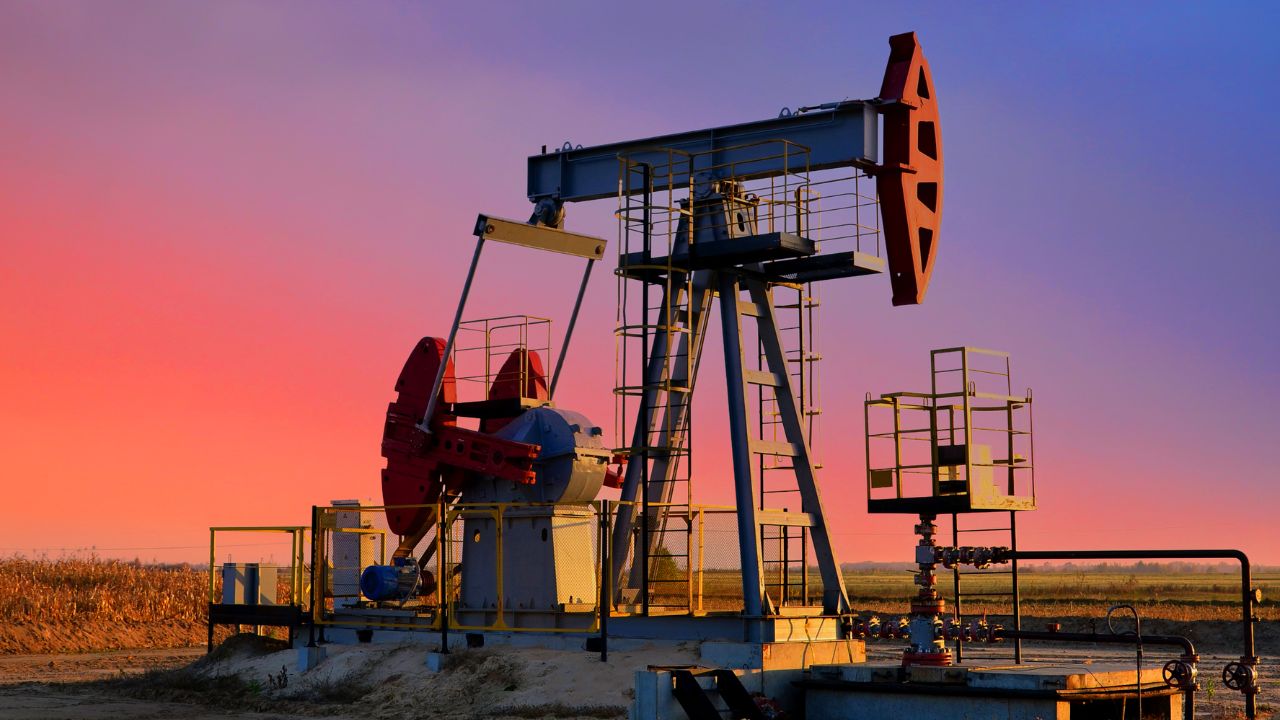
To understand the downstream effects of the Tuapse strikes, we must break down the facility's operational architecture. An oil refinery is a highly integrated industrial system comprising crude distillation units (CDU), catalytic cracking units, vacuum distillation units, and terminal loading facilities. The Tuapse refinery is designed to process heavy and light crude oils into high-value products such as naphtha, diesel, fuel oil, and vacuum gasoil.
The production cycle is entirely dependent on the continuous flow of materials through these units into storage tanks and then into marine tankers. The Tuapse complex features an annual production capacity of approximately 12 million metric tons, translating to 240,000 barrels per day. The facility relies on a sequence of processes designed to break down heavy crude oil into usable fractions: To understand the full picture, we recommend the detailed report by Investopedia.
- Crude Distillation Units (CDU): The initial stage where crude is heated and separated into different boiling-point fractions.
- Catalytic Reforming and Hydrotreating: Units designed to upgrade lower-quality naphtha into high-octane blending components for gasoline and to remove sulfur compounds from diesel.
- Vacuum Distillation Units (VDU): Units that process the heavy residue from the atmospheric distillation to produce vacuum gasoil, which is subsequently used in fluid catalytic cracking units to generate high-octane gasoline and other light products.
When a drone strike impacts the storage or marine terminal infrastructure, the entire production chain is disrupted. Refineries cannot store unlimited quantities of refined products. If the marine terminal is damaged or inaccessible, the facility must adjust its operating parameters. If the storage tanks are full, the CDU must be shut down to prevent overfill and pressure hazards. Consequently, the strike on the export terminal effectively functions as a direct shutdown of the refining units. This was demonstrated in mid-April 2026, when the initial strike on April 16 forced Rosneft to suspend operations indefinitely, as the logistics for shipping products were rendered inoperable.
The Cost Function of Infrastructure Disruption
The operational shutdown of the Tuapse refinery imposes a quantifiable cost function on Rosneft and the Russian state. We can formulate this impact mathematically and conceptually to analyze the exact economic loss. The total cost function of an infrastructure disruption can be expressed through the following components:
$$C_{total} = (R_{throughput} \times \Delta t) + C_{logistics} + C_{repair}$$
To evaluate each term:
- Throughput Revenue Loss ($R_{throughput} \times \Delta t$): The Tuapse refinery generates revenue based on the difference between the cost of crude oil and the market value of refined products. The gross refining margin multiplied by 240,000 barrels per day defines the daily cash flow of the facility. For every day the plant remains offline, millions of dollars in revenue are lost.
- Logistical Bottlenecks ($C_{logistics}$): The geographical location of Tuapse on the Black Sea is designed to facilitate exports to international markets. When the marine terminal is damaged, the products must be diverted to alternative transport routes, primarily rail or pipelines heading to other ports such as Novorossiysk. These alternative routes have fixed capacities, meaning that redirecting the flow creates a bottleneck, which reduces the total volume of exports and increases the marginal cost of transportation.
- Repair and Reconstruction Costs ($C_{repair}$): The physical infrastructure damage includes destroyed storage tanks, pipelines, and pumping stations. Replacing these assets requires specialized components. Since the imposition of international sanctions on Russia's oil and gas sector, acquiring advanced electrical and mechanical components involves significant delays and inflated costs.
The Strike Chronology and Infrastructure Damage
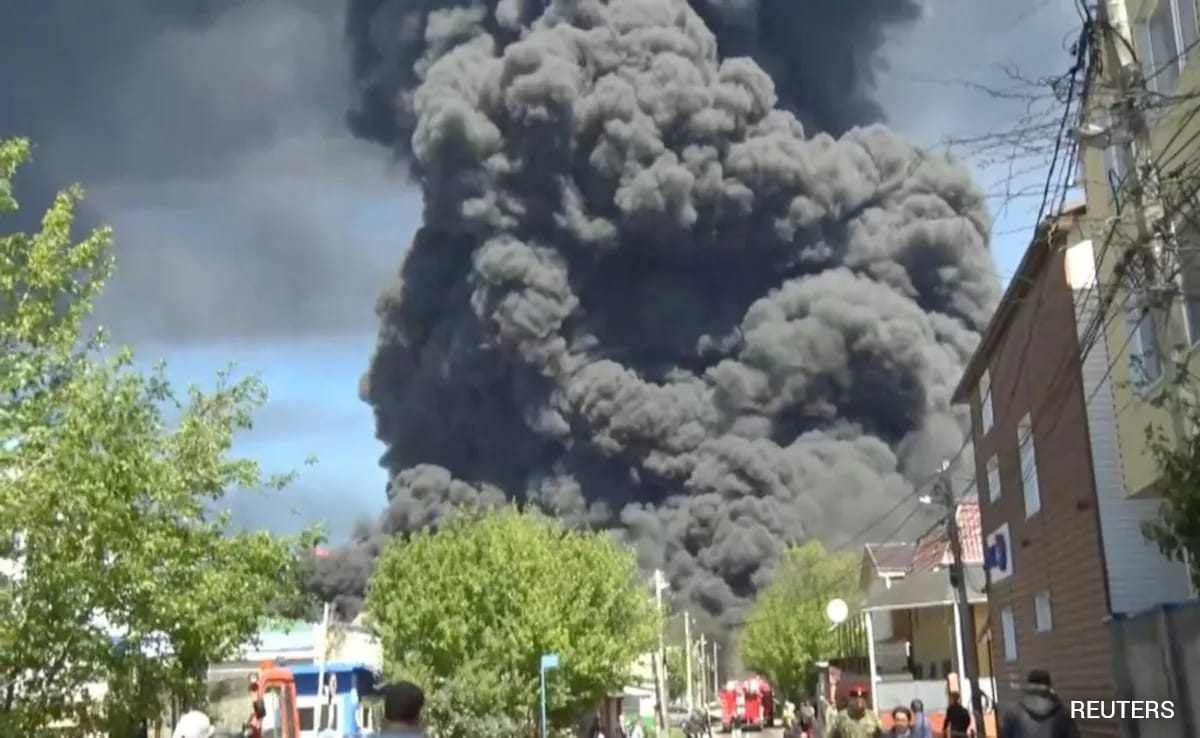
The sequential targeting of the Tuapse facility reveals a deliberate strategy of sequential interdiction. The facility was hit three times in April 2026: on April 16, April 20, and April 28. The first attack ignited a large-scale fire that took several days to contain. When the fire was partially brought under control, the second attack reignited the storage tanks, and the third attack struck while earlier flames were still being fought.
This sequence creates a non-linear effect on the facility's operations. The cumulative damage prevents repair crews from accessing the site, thereby prolonging the shutdown. The inability to resume operations within the first week of the initial strike creates a significant supply shock for the domestic and export markets. The damage to port terminals and storage facilities implies that even if the crude distillation units remain intact, the refined products cannot be moved from the refinery, creating a structural bottleneck.
Environmental Degradation and Toxic Mechanics
The environmental cost function of the Tuapse disaster involves a combination of atmospheric pollution and marine contamination. The burning of thousands of tons of crude oil and petroleum products releases large quantities of combustion byproducts. The phenomenon observed in Tuapse is not simply an oil spill; it is the contamination of atmospheric precipitation.
When petroleum products burn with a high concentration of sulfur and nitrogen, the smoke plume contains significant amounts of sulfur oxides ($SO_x$) and nitrogen oxides ($NO_x$). These compounds react with atmospheric moisture to form sulfuric and nitric acids. When combined with unburned hydrocarbons and ultra-fine soot particles, the resulting precipitation is saturated with contaminants.
The combustion process is incomplete, resulting in the formation of soot, which is composed primarily of carbon particles. The crude oil processed at Tuapse contains sulfur compounds. The combustion of sulfur-bearing crude produces sulfur dioxide ($SO_2$). In the atmosphere, sulfur dioxide reacts with water vapor and oxygen to form sulfuric acid ($H_2SO_4$). Similarly, high-temperature combustion produces nitrogen oxides ($NO_x$), which form nitric acid ($HNO_3$).
These acidic compounds, when absorbed by atmospheric moisture and mixed with soot particles, fall as contaminated precipitation. This phenomenon, often referred to as black rain, deposits heavy metals and toxic chemicals over an area stretching several kilometers from the facility, depending on wind direction and meteorological conditions. The oily residue contains carcinogenic volatile organic compounds (VOCs) such as benzene, toluene, and xylene.
Chemical Dispersion and Public Health Mechanics
The release of hazardous chemicals poses a direct threat to the population of Tuapse, a city with approximately 60,000 residents. The burning of oil products generates high concentrations of volatile organic compounds, including benzene, toluene, xylene, and acroleins. According to environmental experts, the concentration of these substances in the air exceeded permissible safety levels by multiple times during the active phase of the fires.
Short-term health effects include respiratory distress, eye irritation, and skin burns. The fine particulate matter ($PM_{2.5}$) is small enough to bypass the natural defenses of the upper respiratory tract and enter the bloodstream. Over time, chronic inhalation of these particles leads to a higher incidence of asthma, chronic obstructive pulmonary disease, and cardiovascular events.
The delayed health effects are related to the accumulation of carcinogens. Benzene is a known human carcinogen associated with an increased risk of leukemia and other blood-related disorders. The oily residues left on surfaces and vegetation can re-enter the environment, creating secondary exposure pathways for the population through the ingestion of contaminated water or inhalation of dried dust.
The Ecological Impact on the Black Sea
Beyond the atmospheric fallout, the Tuapse attacks triggered a severe ecological disaster in the Black Sea and the Tuapse River. During the initial firefighting operations, large volumes of water mixed with petroleum products and foaming agents were washed into the aquatic ecosystem. Furthermore, heavy rainfall in late April 2026 caused the Tuapse River to swell, breaching containment booms and carrying thousands of tons of oil into the marine environment.
Satellite imagery and environmental monitoring confirmed the formation of a seven-kilometer oil slick off the coast. The oil slick contaminates the coastal zone, affecting marine life, including waterfowl and dolphins. Volunteers and environmental organizations have reported dead animals covered in fuel oil, their feathers and fur matted and unable to repel water or retain heat. The cleanup process is hampered by the complex terrain and the volume of contaminated material, which must be treated and disposed of safely.
Limitations of Strategic Infrastructure Interdiction
While the strikes on the Tuapse refinery impose significant costs on the Russian energy sector, the strategy has recognized limitations. First, the Russian refining network is geographically dispersed and includes over 30 major refineries. While Tuapse is a significant export hub, it represents only a fraction of the total refining capacity of the Russian Federation. Disabling one facility decreases total exports but does not completely halt the state's capability to process crude oil.
Second, the repair time for non-complex processing equipment can be relatively short if the core distillation units are not destroyed. Russian engineering and maintenance teams are experienced in bypassing damaged infrastructure or sourcing parts from domestic suppliers or alternative international sources.
Third, the environmental impacts of such strikes create domestic strains. The cleanup costs and the health impacts on the civilian population create a secondary crisis that the regional authorities must manage. However, the political cost of these incidents remains localized, and the Russian state has continued to maintain control over its wartime economy despite localized disruptions.
Strategic Forecast
The continued targeting of the Tuapse facility by Ukrainian UAVs indicates an ongoing shift in the operational parameters of the conflict. In the coming months, the Tuapse refinery will face prolonged shutdowns due to the combined damage to its storage, loading, and refining units. The logistical bottleneck caused by the diversion of tanker traffic will depress export earnings for Rosneft from this sector.
Environmental cleanup efforts will remain fragmented and insufficient, given the ongoing state of emergency and the high concentration of toxic compounds. The strategic play for stakeholders is to monitor the repair timelines of the crude distillation units. If the repairs are delayed past the summer of 2026, the cumulative loss in refining output will begin to register on global petroleum product prices.