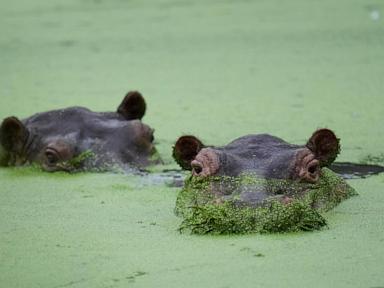
The introduction of Hippopotamus amphibius into the Magdalena River basin represents one of the most complex biological invasions in modern history. Originally imported as a private curiosity for Pablo Escobar’s Hacienda Nápoles, the population has transitioned from a localized novelty to a self-sustaining feral population of approximately 170 individuals. Without immediate intervention, demographic modeling suggests a population explosion exceeding 1,000 individuals by 2035. This is not a dispute over charismatic wildlife; it is a critical failure of ecosystem management where the high cost of containment meets the irreversible degradation of a national watershed.
The Mechanism of Ecological Displacement
The presence of hippos in Colombia disrupts the fundamental trophic structures of the Magdalena River. In their native African habitats, hippo populations are regulated by seasonal droughts and predation of calves by crocodiles and lions. The Colombian environment provides a perennial abundance of water and forage with zero natural predators. This "ecological release" results in a significantly accelerated reproductive cycle and lower mortality rates. Recently making waves in this space: The Silence Left Behind at Caboolture.
The environmental impact is driven by two primary variables: nutrient loading and physical geomorphology.
- Trophic Subsidies: Hippos are "ecological engineers" that move vast quantities of biomass from terrestrial to aquatic systems. A single adult hippo consumes roughly 40 kilograms of grass daily and subsequently excretes waste into the water. In stagnant or slow-moving Colombian river systems, this influx of nitrogen and phosphorus triggers massive eutrophication.
- Dissolved Oxygen Depletion: As organic waste decomposes, it consumes dissolved oxygen (DO). When DO levels drop below critical thresholds, it causes mass die-offs of native fish species such as the Prochilodus magdalenae (bocachico), which is a staple of local artisanal fishing economies.
- Habitat Modification: The physical weight of these animals—up to 3,000 kilograms—leads to soil compaction and the erosion of riverbanks. Their habitual pathways (hippo trails) alter the flow of small tributaries and destroy the riparian vegetation that serves as breeding grounds for endemic amphibians and manatees.
The Strategic Conflict of Values
The debate surrounding the management of these animals is paralyzed by a three-way collision of priorities: animal welfare ethics, ecological preservation, and public safety. Additional details regarding the matter are covered by USA Today.
The Welfare-Conservation Paradox
Animal rights organizations argue for the "individual right to life," advocating for sterilization or relocation. However, conservation biology prioritizes the "systemic health of the biome." From a data-driven perspective, the welfare of a single invasive species is being weighed against the potential extinction of dozens of endemic species. The persistence of the hippo population constitutes a direct threat to the biodiversity of the Magdalena, which is already under pressure from mining and deforestation.
Public Safety and Human-Wildlife Conflict
Unlike African communities that have co-evolved with hippos and developed specific cultural behaviors to avoid them, Colombian residents in the Antioquia region lack this historical context. Hippos are highly territorial and responsible for more human fatalities in Africa than almost any other large mammal. As the population expands beyond the immediate vicinity of Hacienda Nápoles, the probability of fatal encounters in agricultural areas increases linearly with the hippo density.
The Cost-Benefit Analysis of Management Interventions
Solving the hippo crisis requires choosing between four primary operational vectors, each with distinct financial and logistical constraints.
Surgical Sterilization
This is the most technically demanding and expensive option. It requires sedating a multi-ton animal in a swampy environment, which is dangerous for both the animal and the veterinary team.- Unit Cost: Roughly $8,000 to $10,000 per individual.
- Scaling Limitation: At the current birth rate, a team would need to sterilize approximately 40 individuals per year just to reach a population plateau. It does not reduce the current ecological damage; it merely caps it.
Chemical Immunocontraception
Using drugs like GonaCon has been proposed as a non-invasive alternative.✨ Don't miss: The Ghosts in the Machine- Mechanism: Delivered via darts, these drugs suppress reproductive hormones.
- Failure Point: The effectiveness is temporary, requiring repeated doses over several years. Tracking individual wild animals in the dense Colombian jungle to ensure follow-up doses is logistically impossible.
Translocation (Export)
Shipping hippos to sanctuaries in India or Mexico has gained media traction.- Logistics: The process involves heavy sedation, custom-built crates, and chartered cargo flights.
- Strategic Flaw: Translocation is a public relations solution, not an ecological one. It handles dozens of animals while hundreds remain. Furthermore, the risk of disease transmission from Colombian-born hippos to other global populations is a significant biosecurity concern.
Culling (Euthanasia)
The most controversial and most effective tool for rapid population reduction.- Efficiency: Direct removal is the only method that immediately halts the nutrient loading and physical destruction of the river.
- Political Risk: Public sentiment in Colombia is deeply divided. Many locals see the hippos as a source of tourism revenue, and international pressure from animal rights groups makes government-ordered culls a political liability.
Infrastructure of Governance and Legal Deadlocks
The Colombian Ministry of Environment has officially declared the hippos an invasive species, which provides the legal basis for more aggressive measures, including culling. However, judicial challenges often stall these actions. The "Sentience Argument" in Colombian law complicates the removal process, as courts must decide if the legal status of animals as sentient beings overrides the constitutional mandate to protect the environment and "collective rights" to a healthy ecosystem.
The economic burden of inaction is not distributed evenly. The Ministry and regional environmental agencies (like Cornare) bear the operational costs, while the benefits of "hippo tourism" accrue to a small number of local entrepreneurs. This creates a misalignment of incentives: those making money from the hippo’s presence are not responsible for the long-term cost of river rehabilitation or the medical bills following an attack.
Operational Recommendations for Population Control
A singular approach will fail. The only viable path forward is a tiered, aggressive management strategy that prioritizes the most vulnerable sections of the Magdalena River.
- Zone-Based Containment: Establish "Zero Tolerance Zones" where any hippo detected is immediately removed via culling. These zones should be determined by their proximity to human settlements and critical biodiversity hotspots.
- Incentivized Sanctuary Support: Private entities interested in preserving the animals should be required to post a "biological bond"—a financial deposit that covers the lifetime cost of containing the animal in a secure, non-natural enclosure. If the private sector cannot fund the containment, the animal is moved to the culling queue.
- Data Integration: Implement a high-resolution tracking system using drone-based thermal imaging to map the exact movement patterns of pods. This data is essential for both public safety warnings and the logistical planning of removal operations.
The Colombian government must stop treating the hippo population as a manageable novelty and start treating it as a biological wildfire. Every month spent in litigation or "feasibility studies" allows the population to expand, increasing the eventual cost of removal and the certainty of local species extinction. The strategy must shift from "management" to "eradication in the wild." Failure to execute a culling program within the next 24 months will result in the permanent alteration of the Magdalena River’s ecology, turning a preventable mistake into a permanent catastrophe.