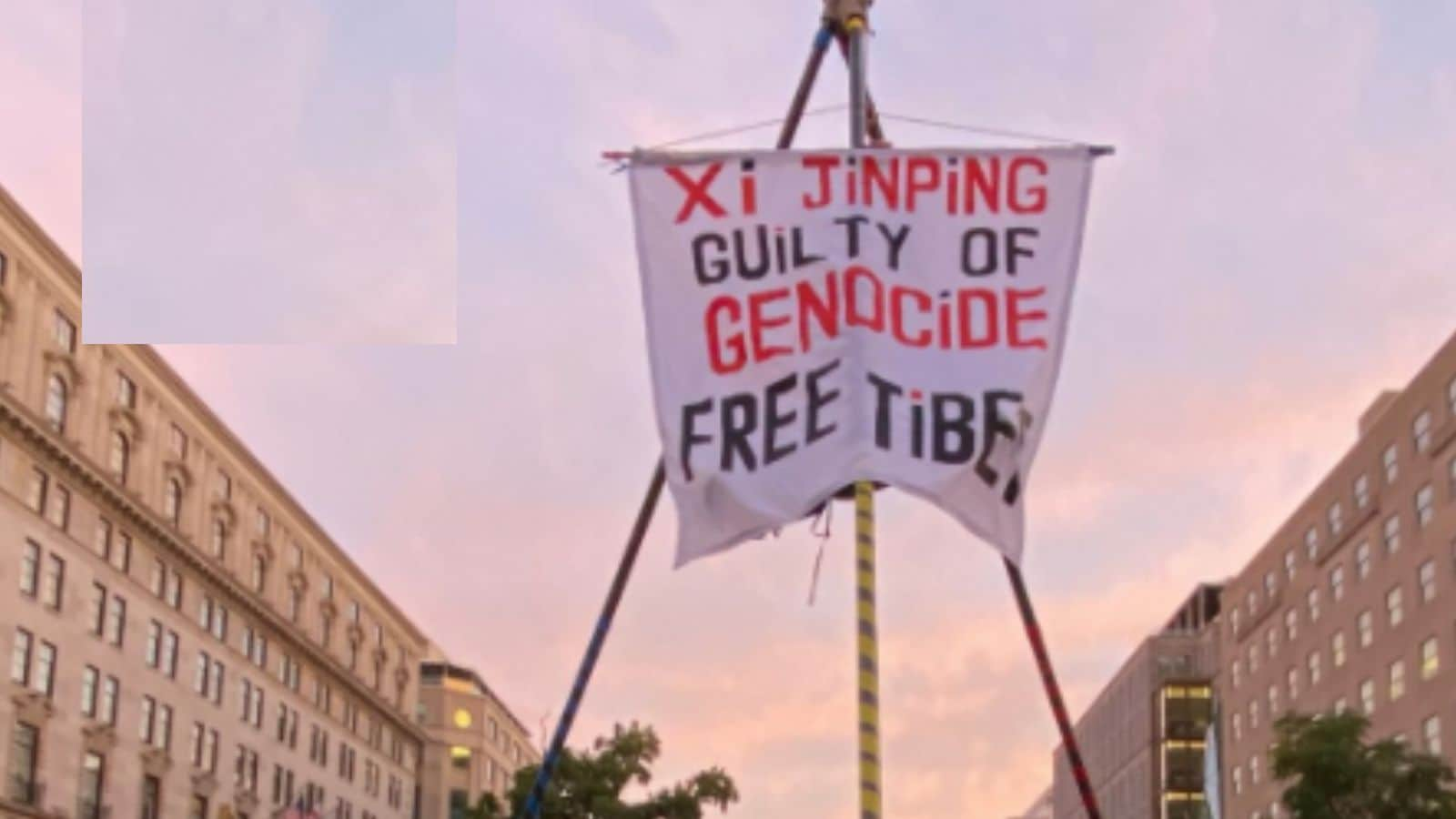
The air on Massachusetts Avenue carries the sharp bite of late autumn, but for the demonstrators gathered outside the hotel, the chill is internal. It is the cold of a displacement that has lasted more than half a century. Flags of snow-white and deep blue snap violently in the wind, bearing the fierce, golden-eyed snow lion—a symbol that has been hunted, banned, and driven into underground whispers across the high plateaus of Central Asia. Today, those whispers are a roar.
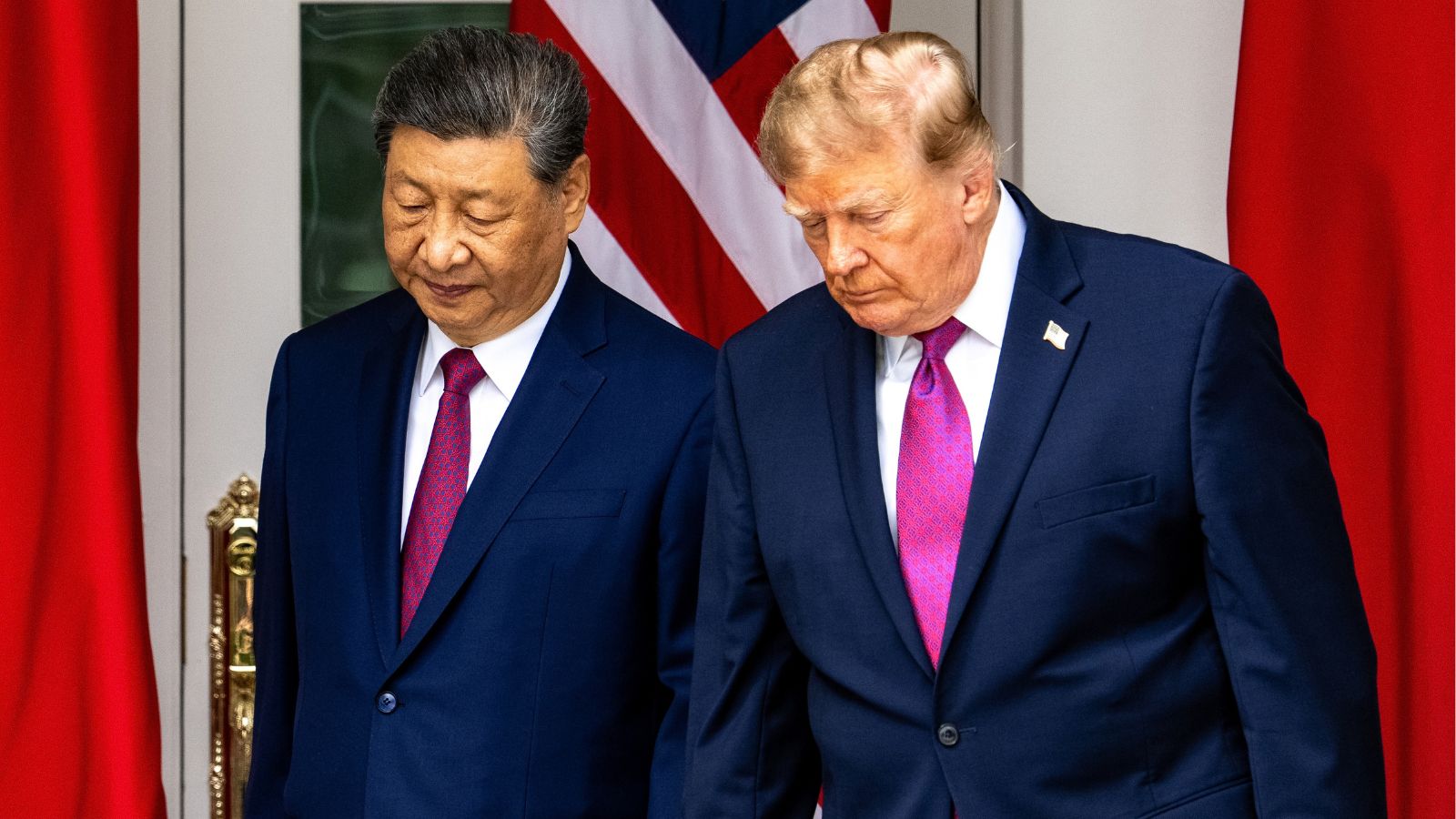
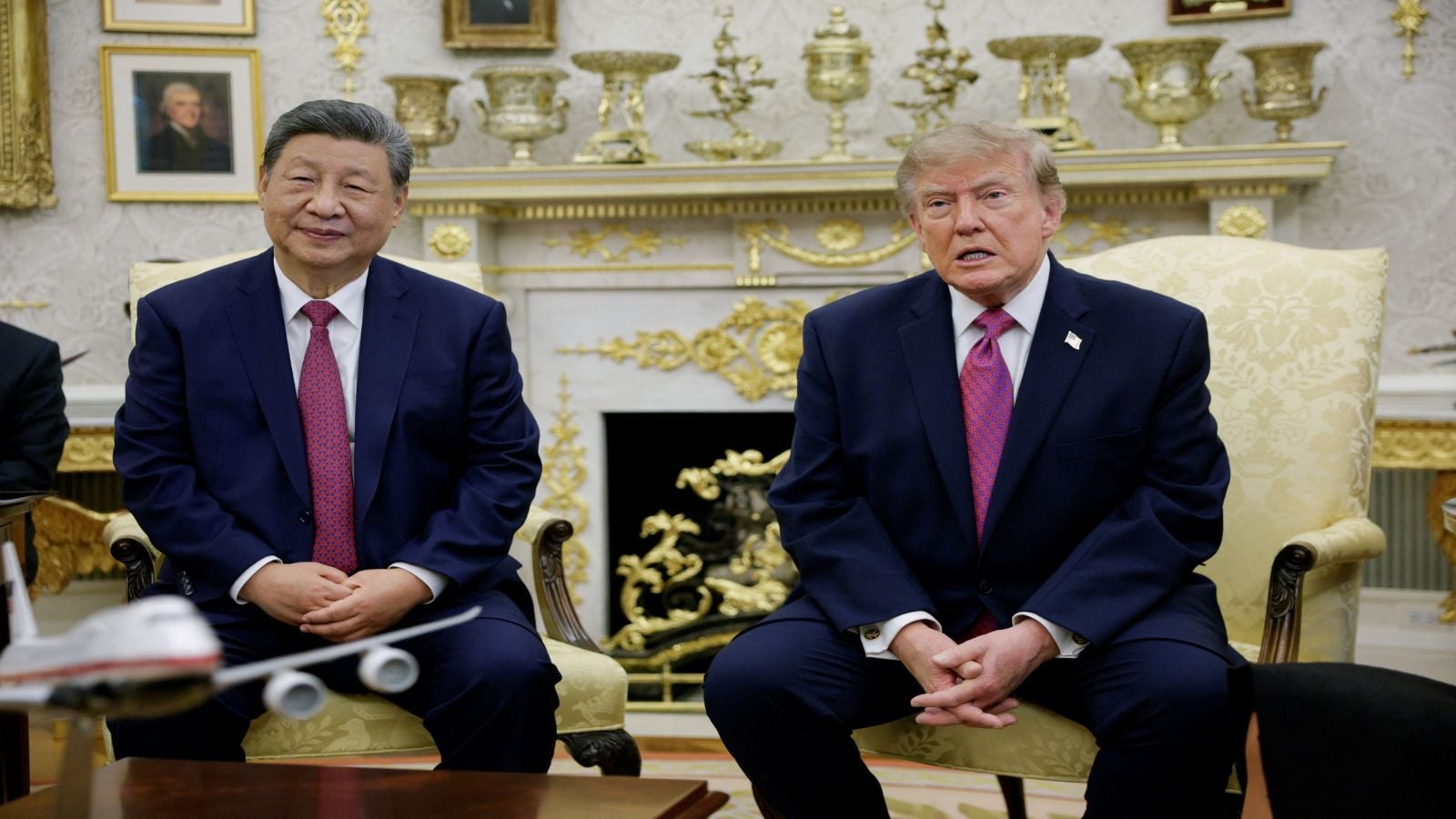
Thousands of miles away, the mountain passes of Tibet remain choked with surveillance cameras, checkpoints, and the quiet, heavy footsteps of armed patrols. But here, beneath the indifferent concrete canyons of Washington, the voice of an erased nation fills the asphalt. They are protesting the state visit of Xi Jinping, bearing a singular, uncompromising message that cuts through the polite hum of international diplomacy: We want China out of Tibet.
To understand the raw urgency of these shouts, one must step away from the polished mahogany tables where diplomats exchange measured pleasantries and look instead at a family dinner table in Dharamsala, India, or a cramped apartment in Queens, New York. Imagine Tenzin, a young man whose grandfather fled the sweeping valleys of Lhasa in 1959, clutching a faded black-and-white photograph of a Potala Palace untouched by modernization. Tenzin has never seen the snows of his ancestral home. He knows it only through the cracked voice of his grandmother when she speaks of butter tea, endless skies, and the morning the sky turned grey with smoke.
When a superpower’s leader travels abroad, red carpets are rolled out, motorcades sweep through sanitized streets, and trade pacts are inked under soft lighting. Entire populations are treated as inconvenient footnotes in the grand ledger of geopolitical strategy. Yet history has a stubborn habit of bleeding through the cracks. The protest outside is not merely an expression of anger against a single political figure; it is the physical manifestation of an identity refusing to be digested by assimilation policies, boarding schools designed to strip children of their native tongue, and the systematic dismantling of a monastic culture that once anchored the roof of the world.
Consider the mechanics of cultural erasure. It does not always arrive with the thunder of artillery. More often, it arrives quietly. It looks like a classroom where the Tibetan language is pushed to the margins, replaced entirely by Mandarin. It looks like the digital grid of facial recognition software sweeping through the alleyways of nomadic settlements, turning ancient grazing routes into open-air prisons. When heritage is systematically dismantled brick by brick, language by language, and soul by soul, exile ceases to be a geographic condition. It becomes an ongoing, daily fracture.
And this is why the Washington protest matters. It disrupts the illusion of a settled narrative. For decades, Beijing has pushed a meticulously curated script of economic progress, presenting its governance of the Himalayan region as a benevolent rescue mission out of feudalism. State-run media broadcasts images of paved roads, high-speed rail lines, and gleaming shopping complexes in Lhasa.
Progress. That is the word they use.
But progress, when stripped of self-determination, tastes like ash. A paved road is of little comfort to a mother whose child is packed away into a state-run boarding school hundreds of miles from home, forbidden to speak the dialect of her ancestors. A high-speed train is merely a faster conduit for demographic shifts designed to dilute an indigenous population into a demographic minority in their own homeland. The statistics tell a chilling story of transformation: millions of dollars poured into infrastructure alongside an equally massive investment in social engineering and intense surveillance.
The demonstrators outside the hotel understand this calculus better than any foreign policy analyst. They have lived the ledger. They know that every trade agreement signed without a clause for human rights is an endorsement of silence.
As the motorcade approaches, the chanting swells. It is a wall of sound built from grief, resilience, and an unyielding refusal to vanish into the quiet margins of history. Banners unfurl, bearing slogans written in English and Tibetan, demanding accountability, freedom, and the basic right to exist as a distinct people. Police barricades form a sterile boundary between the powerful and the dispossessed, a physical reminder of the diplomatic buffers that protect visiting heads of state from the messy realities of the human cost behind their borders.
Yet, sound defies barricades.
In that fleeting moment as the tinted windows of the lead limousines glide past, the occupants inside cannot help but hear it. For a fraction of a second, the sanitized bubble of international summits pops. The ghosts of an ancient kingdom, carried across oceans by refugees, monks, and grandchildren who refuse to forget, press against the glass.
The flags continue to snap in the autumn wind long after the motorcade has vanished into the subterranean parking garages of the capital. The placards are rolled up, the voices grow hoarse, and the crowd begins to disperse into the evening traffic. Nothing has changed in the official communiqués. No sudden policy shifts are announced, no borders redrawn, no occupying forces withdrawn.
Or so it appears on the surface.
Real power is never conceded easily, and justice rarely arrives on a schedule dictated by diplomats. But something vital has occurred on the asphalt of Massachusetts Avenue. The lie of total erasure has been punctured. As long as there are those willing to stand in the freezing wind to scream into the teeth of a superpower, the story remains unfinished. The roof of the world is heavy with snow, but beneath the drifts, the fire is still burning.