Paper rustles in Pyongyang. The office is quiet, save for the hum of an aging ventilation unit and the steady scratch of a fountain pen. Outside, the gray winter mist clings to the concrete monoliths of a city built on defiance. But today, the ink carries a different weight. It carries an absolute, furious denial.
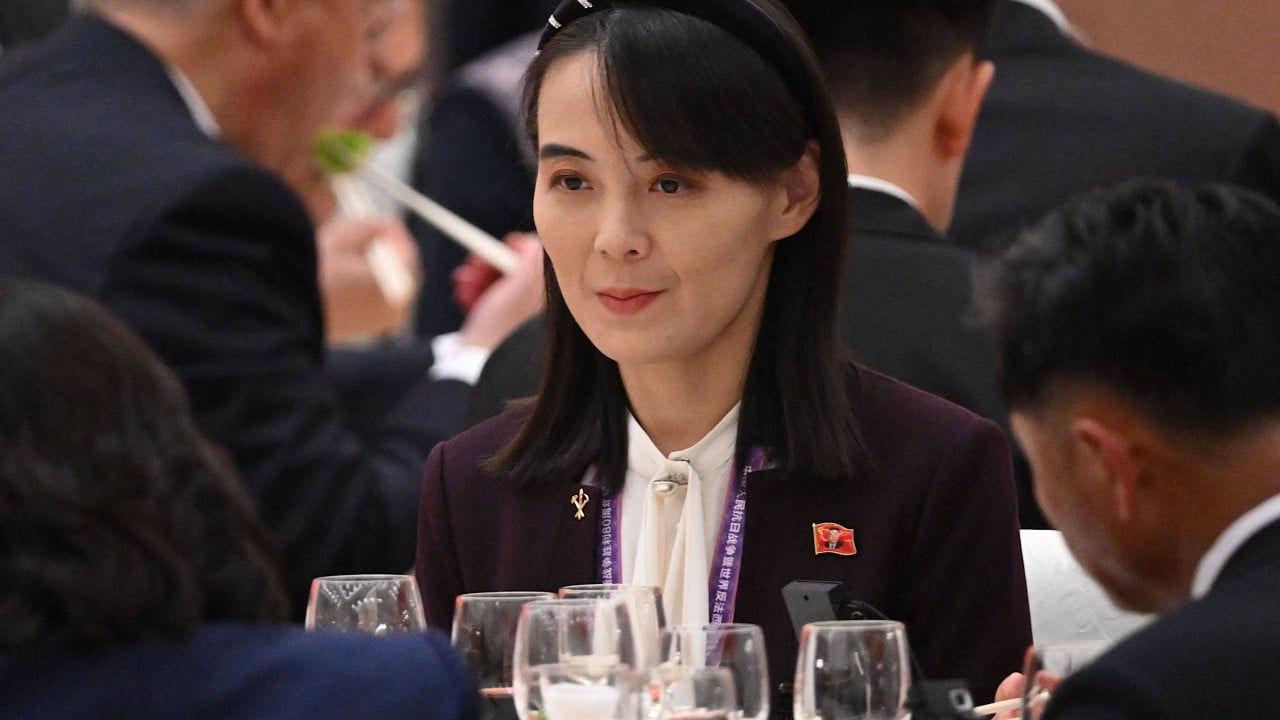
Kim Yo-jong sat at her desk, staring at the latest dispatch pulsing in from foreign wire services. The western capitals were whispering again. Or rather, they were shouting. Headlines blared across screens from Seoul to Washington, claiming that fresh waves of boots were being packed onto trains, bound for the frozen trenches of eastern Europe.
Consider what happens next: a rumor crosses an ocean, gains speed, and transforms into geopolitical gospel before the ink on the morning brief is even dry.
To understand the friction of modern statecraft, you have to look past the official press releases and stare directly at the machinery of accusation. When foreign intelligence agencies drop a claim, they do not just throw out data. They throw a match into a tinderbox. The claim was specific. Thousands of additional soldiers, whispers of reinforcement, a quiet mobilization behind the iron curtain of the Hermit Kingdom.
Kim Yo-jong did not wait. Silence, in the theater of international relations, is often mistaken for guilt. Her response was sharp, delivered through state media with the precision of a scalpel. She called the reports groundless rumors, absurd fabrications cooked up by adversaries desperate to shift the narrative of a grinding conflict.
Yet, the smoke does not rise without a spark. For months, the alliance between Moscow and Pyongyang has deepened from cautious diplomatic nodding into something much heavier. Artillery shells, ammunition crates, and industrial supplies have quietly crossed borders under the cover of night. But troop deployments? That is a threshold of a completely different magnitude. That crosses the line from logistical support to direct blood-in-the-trenches entanglement.
The denial was absolute. But in the world of espionage and counter-intelligence, absolute denials are rarely the end of the conversation. They are opening salvos in a war of perception. Every statement is weighed, measured, and parsed for hidden meanings by analysts sitting in sterile conference rooms thousands of miles away.
Think of it as a high-stakes game of poker played in pitch darkness. You cannot see your opponent's cards, but you can hear the chips sliding across the felt. When a player slams their hand on the table and calls out a bluff, the tension in the room ratchets up a notch.
The human cost of these distant maneuvers rarely makes it into the glossy intelligence summaries. Somewhere in a rural province, a family watches a train depart into the mist, holding their breath. They do not care about geopolitical leverage or diplomatic chessboards. They care about who returns and who remains a ghost.
The denial issued this week will not stop the rumors. In the current global climate, suspicion has become the default setting for international relations. Trust was abandoned long ago, left by the roadside like a broken down engine.
As the diplomatic fallout settles, the underlying reality remains uncomfortably murky. Words are fired like bullets, and truth is the first casualty of the crossfire.
The room in Pyongyang grows colder as evening falls. The pen is capped. The lights stay on.