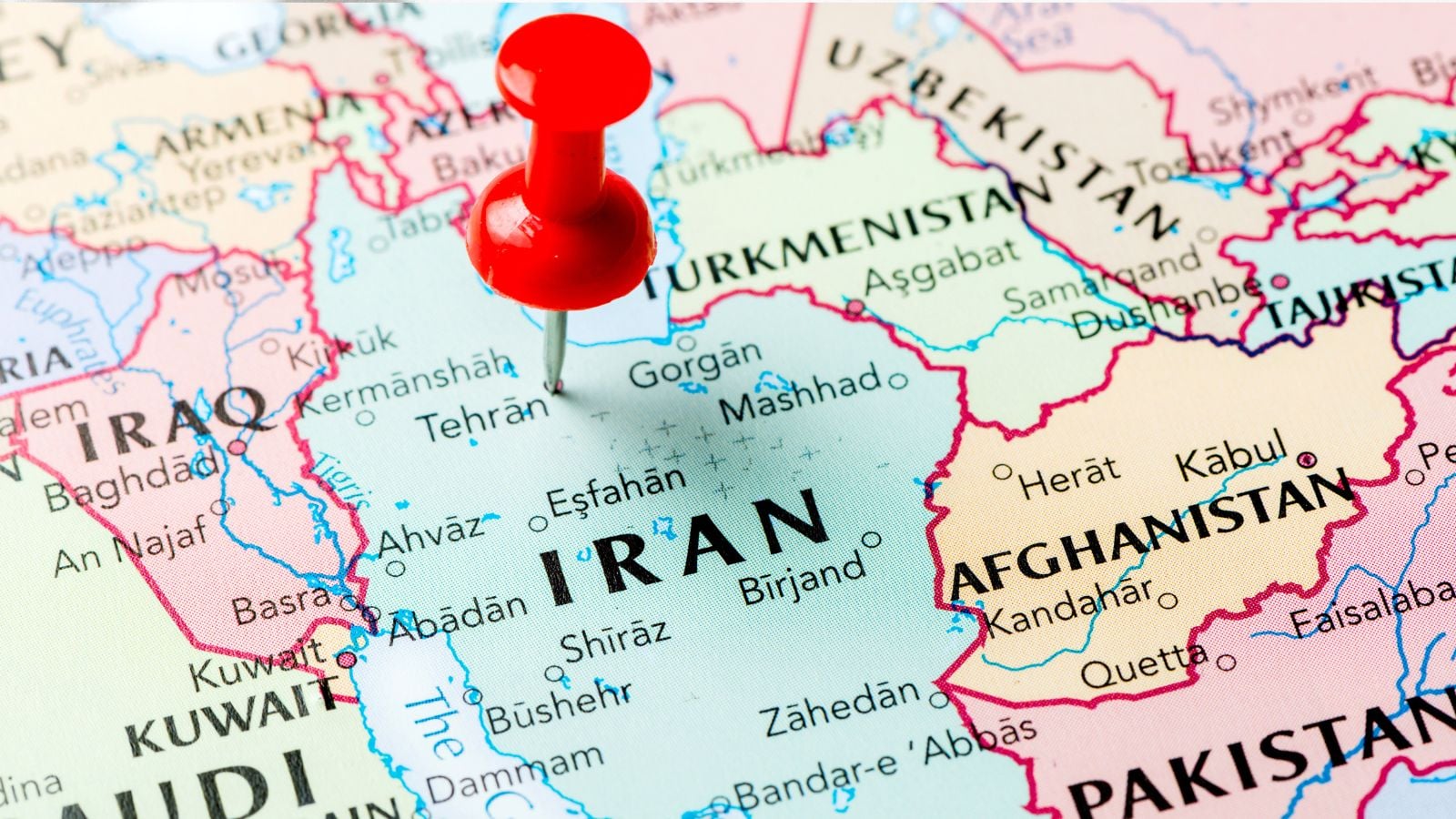
Two thousand miles from the nearest ballot box in Pennsylvania, a television screen flickers to life in a wood-paneled office in Tehran.
It is just past dawn in Iran. The city outside is waking up to the familiar, grinding hum of traffic and the quiet anxiety of another week under crushing economic sanctions. Inside that office, however, a senior official leans forward, a faint, practiced smile touching the corners of his mouth as American cable news anchors dissect red and blue counties across a digital map.
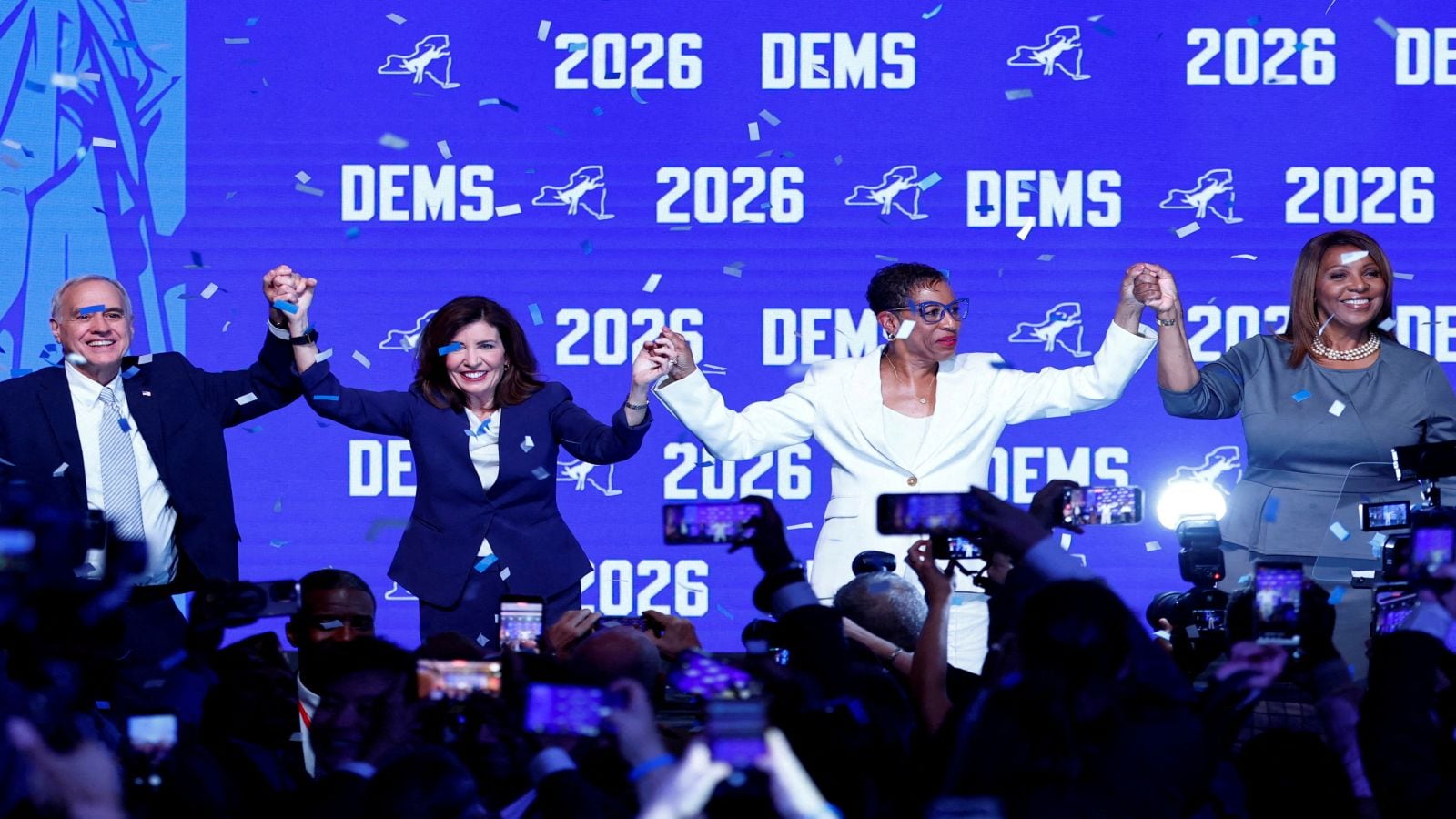
To the casual observer scrolling through morning headlines, the story seems simple enough. American voters went to the polls, delivered a stinging electoral rebuke to Donald Trump, and officials in the Islamic Republic wasted no time taking a victory lap in the press. They called it justice. They called it the inevitable collapse of "maximum pressure." They gloated.
Stop. Look closer at the glass between those two worlds.
When we reduce international politics to a scoreboard—one side cheers, the other side bleeds—we miss the entire human machinery turning beneath the surface. Having spent years watching how domestic tremors in Washington become seismic aftershocks in the Middle East, I can tell you that the laughter coming out of Tehran is rarely as simple as joy. It is a performance