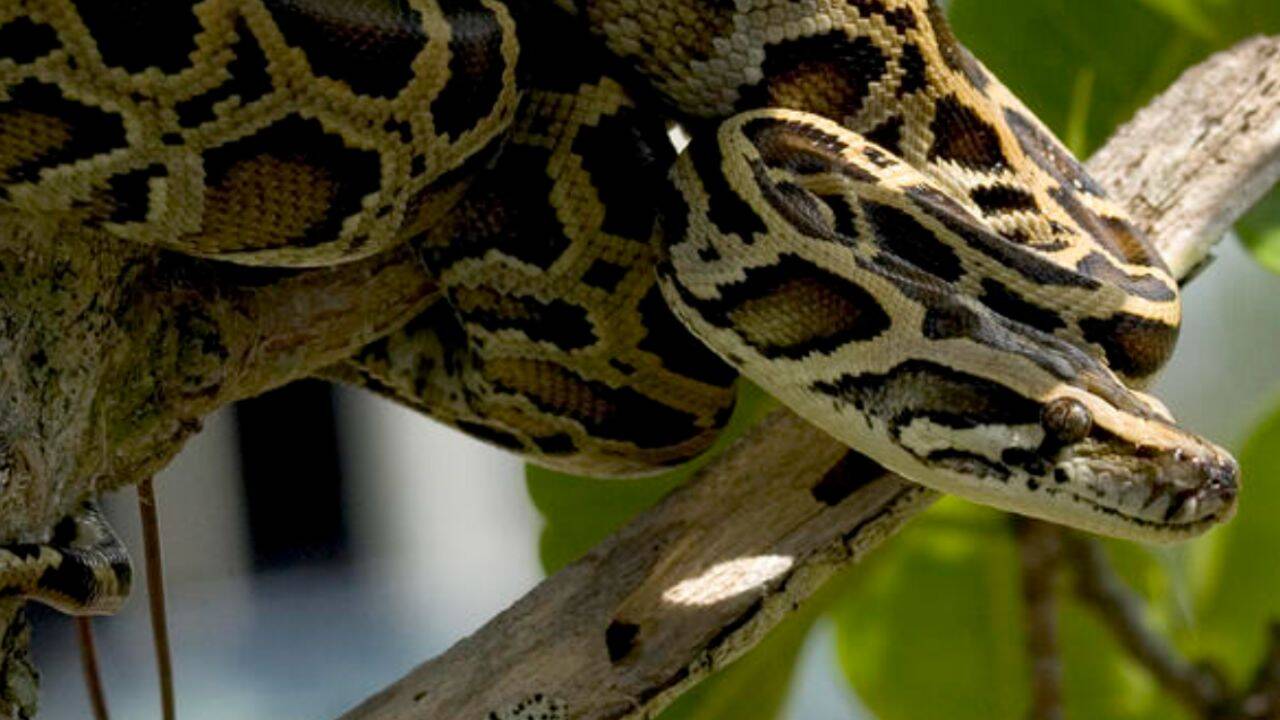
Every few months, a fresh headline rolls out of South Florida promising a high-tech salvation for the swamp. Scientists strap thermal sensors and multispectral cameras to quadcopters, head out over the sawgrass, and announce that the war on the Burmese python is finally entering a digital age.
It makes for clean PR. It plays nicely into our collective obsession with gadgetry. And it is entirely, spectacularly
Drones Will Never Save the Everglades From Burmese Pythons
news, technology
Another week, another headline about high-tech salvation. This time, it is drones. State and federal biologists are supposedly scanning the sawgrass canopy with thermal imaging, multispectral sensors, and machine learning algorithms to map out cryptic apex predators slithering through the swamp. The media laps it up. The public sighs in relief, imagining a sci-fi army of quadcopters outsmarting an invasive reptile.
It is theater. Expensive, taxpayer-funded theater that completely misunderstands the ground reality of the Florida Everglades.
I have spent years tracking wildlife management capital burn through municipal coffers. I have watched agencies throw millions at silver-bullet hardware while the core ecological rot spreads unchecked. Everyone wants a clean, sterile solution from a pilot seat fifty feet in the air. Nobody wants to admit that the python problem cannot be solved by a gadget.
The Thermal Mirage
Let us start with the core technical delusion of aerial snake hunting: physics.
Proponents point to thermal cameras as the ultimate equalizer. Pythons are ectotherms; they absorb heat from their environment. When the sun goes down, rocks and shallow water retain warmth while the surrounding air cools. In theory, a cold-blooded giant serpent should stick out like a neon sign against the background.
In practice, the Everglades is not a parking lot. It is a dense, multi-tiered subtropical wilderness.
The tree canopy blocks thermal signatures. Water movement scrambles temperature differentials. Dense mats of invasive non-native vegetation create microclimates that mimic animal heat signatures. A python coiled beneath a cypress knee or submerged in three feet of tea-colored water is thermally invisible to an overhead sensor. By the time a drone detects a temperature anomaly worth investigating, it is usually a sun-warmed alligator, a patch of limestone, or rotting peat.
False positives swallow operational budgets whole. Every hour a pilot spends chasing a phantom thermal spike in a remote slough is an hour wasted.
The Scale Mismatch
Assume for a moment that the algorithm gets lucky. A drone spots a signature, locks coordinates, and alerts a field crew. Then what?
The Everglades spans over one point five million acres of jagged, flooded, mosquito-choked terrain. Burmese pythons are master cryptids. They spend ninety percent of their lives motionless, hidden in subterranean burrows, dense brush, or deep water channels. They are not roaming open expanses waiting to be spotted from a DJI Inspire.
You cannot air-drop a cage on a python. You cannot automate the extraction of a sixteen-foot ambush predator from a flooded mangrove root system. You still need a human being to wade chest-deep into the dark water, grab a thrashing, muscle-bound animal by the head, and wrestle it into a sack.
Technology does not scale the bottleneck. The bottleneck is the physical act of extraction in a hostile environment, and no software update changes the laws of biology.
Why We Fall For the Hardware Trap
Bureaucracies love hardware because hardware has an invoice. You can hold a press conference in front of a bank of monitors showing live telemetry feeds. You can secure grant funding from politicians who want to look proactive without making hard choices.
Buying drones feels like progress. Hiring more boots on the ground, restructuring bounty programs, and overhauling land management policies feels messy. It involves labor unions, bureaucratic friction, and unglamorous field work.
The lazy consensus says we just need better sensors. The brutal truth is that we have all the sensors we need, and they are attached to the ends of human legs.
The Uncomfortable Reality of Management
If you actually want to suppress python populations, you have to abandon the fantasy of total eradication via remote control. Eradication is mathematically impossible at this stage. The animal has won the territorial lottery.
What remains is damage mitigation, and that requires localized, grinding, unsexy attrition. It means incentivizing professional hunters with higher retention pay. It means utilizing trained detector dogs that can actually sniff out the musk of a python hidden beneath dense debris where cameras fail. It means cutting through the regulatory red tape that stops removal crews from accessing critical state lands.
Drones have a place in cartography, fire management, and broad habitat monitoring. But treating them as a frontline weapon against an entrenched apex predator is an expensive delusion.
Stop funding high-altitude fantasies. Get dirty, pay the people doing the actual lifting, and accept that saving an ecosystem takes sweat, not software.


