Rain on the cobbled streets of Calais always smells slightly of salt and wet coal. Standing by the ferry terminal, watching the massive white hulls glide silently toward the white cliffs of Dover twenty-one miles away, you realize how thin a line twenty-one miles really is.
For years, that water felt wider than an ocean. It became a moat of separation, a physical manifestation of a political divorce that left families divided across the Channel, musicians hauling cargo through endless bureaucratic red tape at borders, and young people losing the right to pack a bag and study in Barcelona or Paris on a whim.
Then, Manchester Mayor Andy Burnham stood at a podium and said out loud what many politicians whispered behind closed doors: the door should remain open.
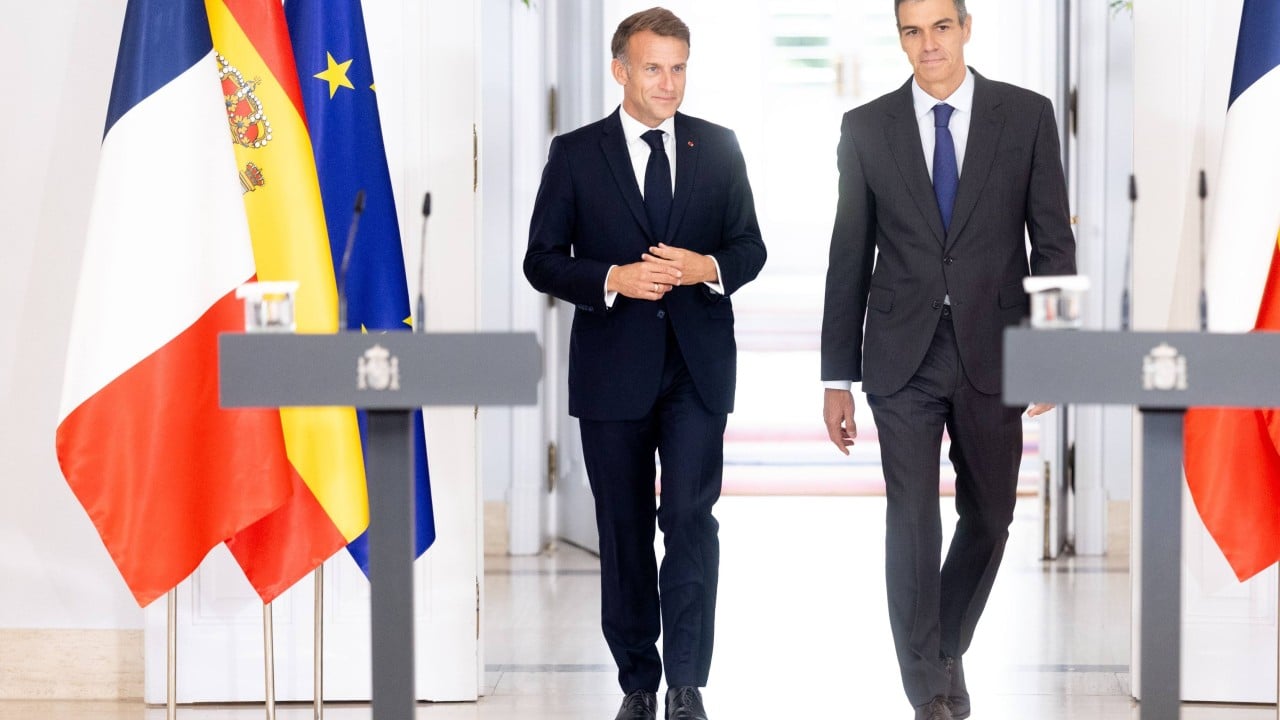
Across the water, in Madrid and Paris, the response was not a cold shoulder. It was a nod.
To understand why this matters, you have to look past the dry language of trade tariffs and parliamentary votes. You have to look at the people standing in the rain.
The Cost of Distance
When the United Kingdom voted to leave the European Union, the fracture was treated as permanent. Granite. Unchangeable. But history rarely moves in straight lines. It loops. It bends under the weight of economic reality and social exhaustion.
Consider Maria, a logistics manager who runs a small cheese exporting business in Normandy. Before 2020, her trucks rolled off the ferry and straight into British supermarkets within twelve hours. Fresh camembert did not wait in customs yards. Today, those same trucks sit for days in concrete holding areas, paperwork stamped, delayed, and bleeding money.
"We didn't just put up customs posts," Maria told me over a bitter espresso last autumn, wiping flour from her hands. "We put up walls between neighbors who share the same weather."
Burnham’s intervention, backed by welcoming diplomatic noises from French and Spanish officials, tapped into a quiet exhaustion. It is the realization that isolation carries a daily toll. It costs the student who cannot afford a visa. It costs the scientist whose grant applications hit bureaucratic dead ends. It costs the musician whose tour bus spends hours being searched for guitar cables.
The Mechanics of Rejoining
No one is packing their bags for a return tomorrow. The political reality is thorny, complicated, and strewn with political landmines. Rejoining the European Union is not like walking back into a room you just stepped out of. The rebate is gone. The currency would remain the pound, but the terms would be different.
Yet, diplomacy is built on trial balloons. When Spanish and French leaders indicate a willingness to listen, they are testing the political atmosphere. They are asking a fundamental question: Is the UK ready to have a mature conversation about its future, unclouded by the initial trauma of the Brexit referendum?
Think of it like a broken partnership. The initial anger fades. The practical difficulties of living apart begin to mount. Bills come due. Shared problems—like climate change, security, and supply chain resilience—do not care about national borders. They require cooperation, not isolation.
A Human Horizon
Down at the Dover harbor, the ferry horn sounds a low, vibrating note that rattles through your chest. Passengers lean against the railing, their breath pluming in the cold air, looking toward a shoreline that is close enough to see yet administratively distant.
The debate over the European Union is often framed in cold statistics: GDP percentages, migration caps, regulatory alignment. But beneath the spreadsheets lies a simple human desire for connection. People want to move freely, work together, and solve problems without unnecessary friction.
The political winds are shifting. Slowly. Imperceptibly, like the tide turning against a seawall.
The door has not swung open yet. But for the first time in years, someone has reached out and turned the handle.