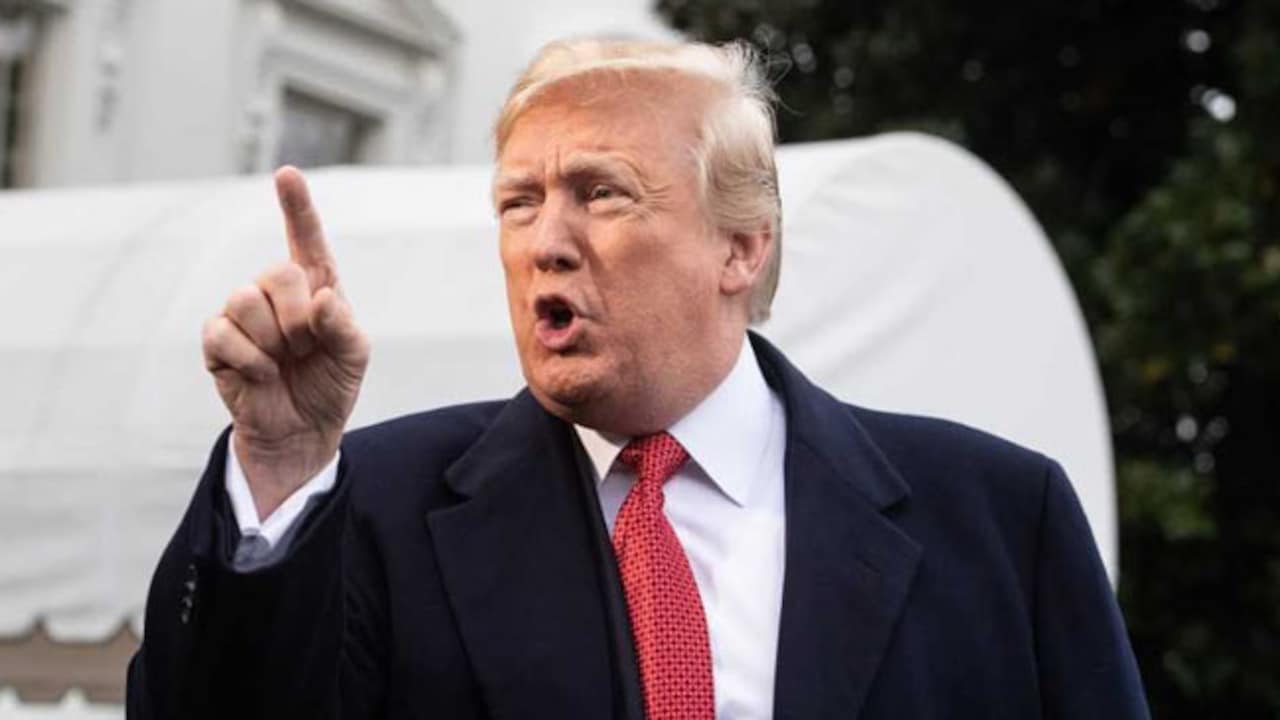
Former United States President Donald Trump launched a sharp public critique against judges handling mail-in ballot litigation, claiming that the jurists presiding over critical election procedure cases lack real-world familiarity with the plaintiffs and processes involved. The commentary highlights ongoing tensions between political figures and the judicial branch regarding election rules.
Trump expressed skepticism toward the rulings issued by federal and state judges, asserting that the individuals making decisions on absentee voting protocols are detached from the practical realities faced by campaigns and voters. The remarks add to a long history of friction between the former executive and members of the judiciary over election administration. Recently making waves in this space: Inside the Kennedy Center Battle The Real Cost of Trump's Naming Obsession.
Mail-in voting has remained a central point of contention across multiple election cycles. Legal battles frequently challenge deadlines, signature verification requirements, and the handling of ballots received after Election Day. Both political parties continue to litigate these procedures in swing states as early voting windows approach.
Legal analysts note that judicial review of election laws relies on established statutes, constitutional frameworks, and precedent rather than personal familiarity with political actors. Decisions from courts dictate how millions of votes are collected, processed, and counted, shaping the procedural landscape of major elections. More insights on this are detailed by NPR.
The ongoing disputes over mail-in ballots underscore the deep polarization surrounding voting methods in the United States. As further legal challenges move through appellate courts, the friction between political commentary and judicial independence is expected to persist.


