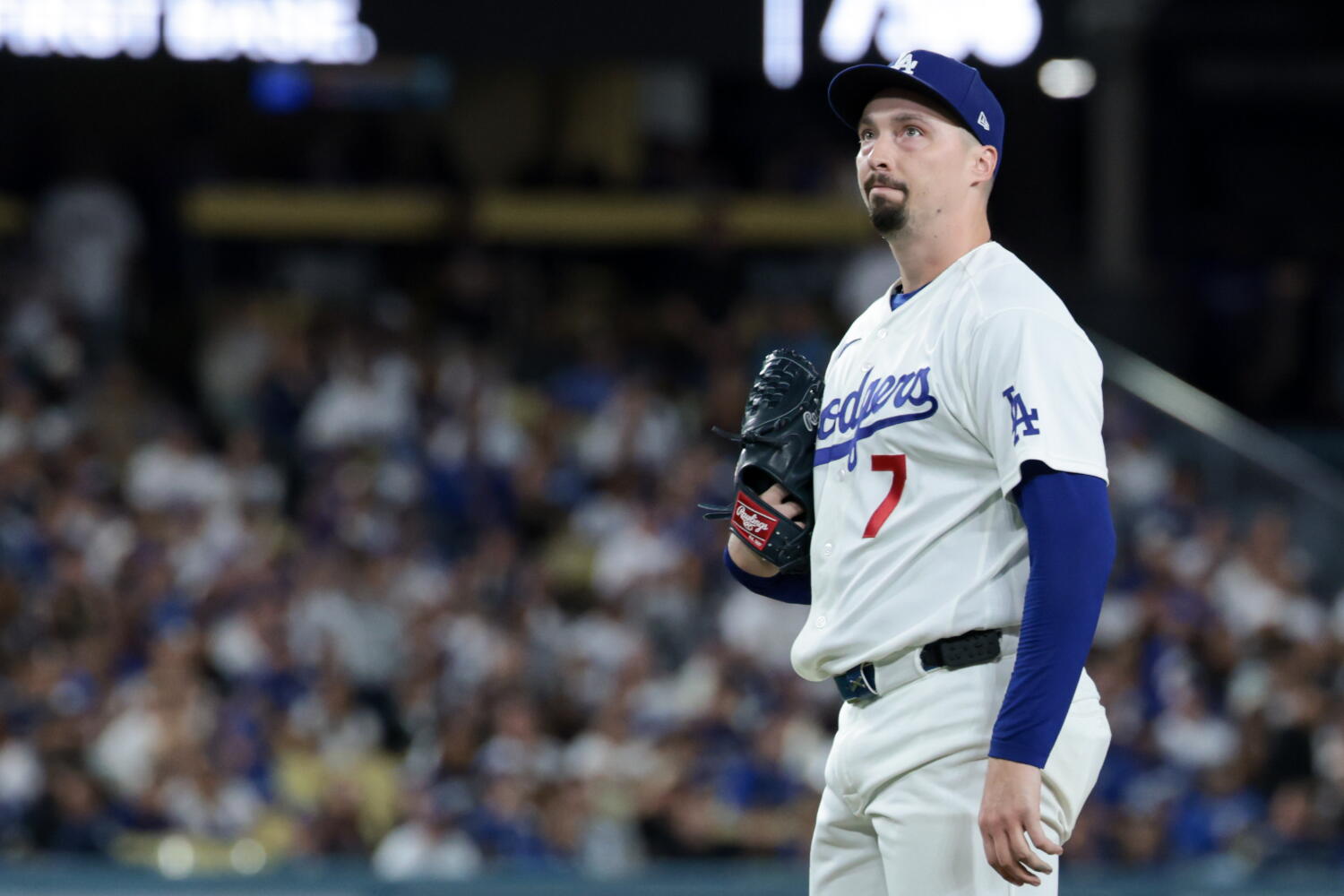
Five pitches into the 2026 National League Championship Series, you could feel something shifting in baseball's power structure. By the end of Game 3 on October 14, 2026, the Los Angeles Dodgers weren't just staring at a 3-0 series hole against the Milwaukee Brewers—they were watching a historic three-peat slip right through their fingers.
Coming off back-to-back World Series championships in 2024 and 2025, Los Angeles entered October with a 100-62 regular-season record and a roster packed with superstars. Milwaukee arrived with a 103-59 mark and a chip on its shoulder. When the Brewers took Game 3 by a 6-2 score at Dodger Stadium, the shock wasn't just about one loss. It was about how effortlessly Milwaukee dismantled a dynasty that looked built to cruise. Meanwhile, you can read similar stories here: Why Comparing Lamine Yamal to Young Lionel Messi Misses the Point Completely.
And honestly, if you only look at the Game 3 box score, you miss half the story. The collapse of that three-peat bid came down to situational hitting failures, bullpen strain, and a Brewers club that refused to blink when the lights got brightest.
How Game 3 Exposed Every Crack in the Dodgers
Game 3 started with pure chaos for Los Angeles. Blake Snell took the mound looking to steady the ship after Milwaukee grabbed 2-1 and 7-4 wins in Games 1 and 2 at American Family Field. Instead, Jackson Chourio jumped on Snell's very first pitch of the night and sent it over the wall. Since pitch-count tracking became standard in the postseason in 1988, only five hitters before Chourio had ever hit a leadoff home run on pitch one of a playoff game. To explore the bigger picture, check out the excellent article by FOX Sports.
Snell actually settled down after that opening punch, racking up strikeouts and keeping the deficit manageable until the sixth inning. When Will Smith finally ripped a two-run double into center to put Los Angeles ahead 2-1, Dodger Stadium briefly came alive. It felt like the turning point everyone expected from a two-time defending champion.
It didn't last. In the top of the seventh, Jake Bauers worked an 11-pitch at-bat against Snell—fouling off pitches eight, nine, and ten—before driving a go-ahead two-run homer to right. Garrett Mitchell followed immediately with a solo shot of his own. Just like that, Los Angeles trailed 4-2.
What makes that sequence sting even more for Dodgers fans is the context around Snell. Before Game 3, he hadn't allowed a single home run across 10 appearances in 2026—nine in the regular season plus his NLDS start. Giving up three in one night, including back-to-back blasts in a pivotal spot, flipped the entire series. Milwaukee tacked on two more runs—including a wild pitch score and a Joey Ortiz RBI single—to close out a 6-2 win and take a commanding 3-0 lead.
"We didn't expect to be in this position. This one sucks. We've got to find a way to turn the page quick, because tomorrow is going to be here pretty fast. If we lose, we're done." — Kiké Hernández after Game 3
Why the Dodgers Offense Stalled When It Mattered Most
Stars don't guarantee runs in October, and the 2026 NLCS proved it again. With Shohei Ohtani, Mookie Betts, Freddie Freeman, Will Smith, Kyle Tucker, and Teoscar Hernández in the mix, Los Angeles had plenty of thump on paper. In reality, the lineup kept leaving runners stranded at the worst possible moments.
Even in Game 3, the Dodgers put traffic on the bases. Getting runners on isn't the problem when you have a deep order; driving them home with traffic on the pond is. Too often, big swings turned into empty trips, letting Milwaukee's relief arms—like DL Hall, JoJo Romero, Aaron Ashby, and closer Trevor Megill—wiggle out of jams and preserve leads.
By the time the series ended in Game 4 on October 15, the numbers told a brutal story. Los Angeles hit just .185 as a team against the Brewers, went 4-for-27 (.148) with runners in scoring position, and got outhomered 7-1 across the four-game sweep. In a short series against a sharp pitching staff, a .148 mark with runners in scoring position is basically a self-inflicted wound.
The Myth of Inevitability in Baseball Dynasties
There's a common mistake fans and pundits make after a team wins two straight titles: treating the third one like a formality. Baseball doesn't work that way. A seven-game series—or a four-game sweep—compresses variance into a tiny window.
When you play 162 regular-season games, a cold week from your middle-of-the-order bats or a shaky bullpen inning gets absorbed by depth and talent. In October, those same cold stretches can end your season in four days. Winning three consecutive World Series is one of the rarest feats in sports precisely because so many small things have to go right two years in a row and a third time without your opponents catching fire.
What Milwaukee Did Better Than Almost Anyone Expected
Credit where it's due: the Brewers didn't back into this. Manager Pat Murphy had a 103-win team built around contact, speed, situational execution, and a deep, flexible bullpen.
Look at how Milwaukee played in Game 1 just to set the tone for the series: Brice Turang launched a game-tying homer off Tarik Skubal, and then in the next inning, Garrett Mitchell drew a walk, rookie Cooper Pratt bunted him over, and 21-year-old outfielder Luis Lara delivered a go-ahead single. That wasn't luck. It was disciplined, pressure-packed baseball.
In Game 3, Milwaukee mixed that trademark grit with sudden power. Bauers battled deep into counts—just like he had in a 12-pitch sequence against Yoshinobu Yamamoto in Game 2—and punished mistakes. Meanwhile, Garrett Mitchell made a diving catch in center field to rob a hit and later crushed his solo homer. Everything clicked for the Brewers, which is why they swept the Dodgers 4-0 to claim the National League pennant before falling to the Tampa Bay Rays in five games in the 2026 World Series.
Comparing the Two Approaches
| Factor | Los Angeles Dodgers (2026 NLCS) | Milwaukee Brewers (2026 NLCS) |
|---|---|---|
| Regular-Season Record | 100-62 | 103-59 |
| Series Outcome | Swept 0-4 in NLCS | Won NLCS 4-0; reached 2026 World Series |
| Game 3 Result | Lost 2-6 at Dodger Stadium | Won 6-2 on the road |
| Defining Edge | Star power and prior championship pedigree | Situational execution, bullpen depth, and timely power |
Lessons for Dodgers Fans and Front-Office Watchers
If you're trying to make sense of how a three-peat dream unraveled so quickly after Game 3, don't chalk it all up to bad luck—even if Game 3 definitely had some wild swings. Take a few practical steps to evaluate what comes next for Los Angeles:
- Separate regular-season dominance from October matchups. A 100-win team can still struggle against a bullpen-heavy club that limits big innings and puts constant pressure on the bases.
- Track situational metrics, not just star names. Watch how often a lineup converts with runners in scoring position and how many high-leverage innings key relievers absorb before October even starts.
- Keep perspective on championship windows. Losing an NLCS sweep hurts—especially with a three-peat on the line—but staying in the hunt year after year still keeps Los Angeles among baseball's most dangerous contenders heading into the 2027 season.


