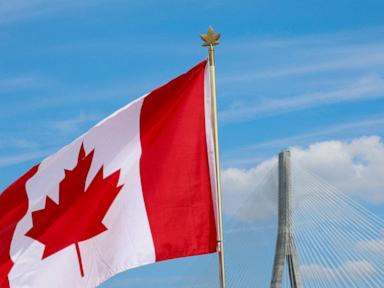
More than one hundred thousand Canadian citizens have signed a formal petition demanding that the United States ambassador be declared persona non grata, an extraordinary escalation in bilateral friction that exposes deep institutional fractures between two historical allies. When a diplomatic mission shifts from fostering trade cooperation to serving as a lightning rod for national indignation, the breakdown is rarely accidental. It is the result of accumulated friction, miscalculated rhetoric, and a fundamental misunderstanding of shifting domestic priorities north of the border.
Diplomacy is designed to be invisible. When an ambassador becomes a household name for all the wrong reasons, the quiet machinery of statecraft has failed. To understand how a representative of Washington reached the point of facing formal expulsion demands from the Canadian public, one must look past the polite facade of bilateral communiques and examine the structural realities driving this unprecedented backlash.
The Anatomy Of A Diplomatic Crisis
The petition did not materialize in a vacuum. Decades of economic integration have created a deeply interconnected marketplace where policy shifts in Washington routinely trigger immediate shockwaves in Ottawa. Yet, recent years have introduced a different kind of friction. Instead of traditional trade disputes over softwood lumber or dairy quotas, current tensions center on sovereignty, energy policy, and the perception of heavy-handed foreign interference in domestic Canadian affairs.
Ambassadors walk a narrow tightrope. They must advocate fiercely for their home nation's commercial and strategic interests while respecting the political sensitivities of their host country. When that balance tips too far toward aggressive arm-twisting, public sentiment reacts violently.
Historically, Canadians view their southern neighbor with a mixture of affectionate familiarity and fierce independence. Pushing too hard on contentious regulatory issues or publicly lecturing Ottawa on domestic matters routinely backfires. The current petition is less a spontaneous outburst of anger and more a pressure valve releasing years of accumulated frustration over perceived slights and economic coercion.
Behind Closed Doors In Ottawa
In diplomatic circles, silence is often the loudest signal. Behind the polished mahogany doors of parliamentary offices in Ottawa, frustration with Washington has reached a fever pitch. Career bureaucrats and seasoned policymakers privately express exhaustion with what they describe as a transactional approach to a historically foundational relationship.
The core grievance involves resource management and regulatory alignment. Energy security remains a perpetual flashpoint. When infrastructure projects vital to Canadian provincial economies face indefinite delays or regulatory roadblocks orchestrated or supported by American pressure groups, the economic fallout is immediate.
Citizens feel the pinch directly in their wallets. Consequently, public anger naturally aggregates around the most visible symbol of American authority in the country. The ambassador becomes the avatar for every perceived economic slight and geopolitical demand.
The Cost Of Public Posturing
Modern diplomacy has increasingly moved out of secure backrooms and into the glaring light of social media. This shift has altered the incentives for diplomatic personnel. Instead of quiet compromise, ambassadors often feel compelled to project strength and signal alignment with domestic US political constituencies, sometimes at the expense of local diplomacy.
This performative posture plays poorly in foreign capitals. Ottawa is a jurisdiction that prides itself on consensus-building and institutional decorum. When foreign envoys bypass traditional diplomatic channels to appeal directly to the public or apply pressure via media campaigns, it triggers a nationalistic backlash.
Citizens resent the implication that their government is merely a regional branch office of a larger foreign power. The petition demanding persona non grata status is a direct reaction to this perceived overreach. It is a blunt instrument used by an electorate signaling that diplomatic norms have been breached.
Economic Interdependence Versus Political Sovereignty
The paradox of the US-Canada relationship lies in the sheer volume of cross-border commerce contrasted with the intense desire for national distinctiveness. Billions of dollars in goods cross the border daily. Supply chains for automobiles, defense equipment, and agriculture are so thoroughly integrated that separating them would cause catastrophic economic ruin for both nations.
Yet, economic integration breeds vulnerability. When one partner is significantly larger, the power dynamic is inherently asymmetric.
- Monetary policy decisions made by the Federal Reserve instantly dictate borrowing costs for Canadian homeowners.
- Industrial subsidies enacted in Washington draw vital capital and talent away from Canadian metropolitan centers.
- Security mandates imposed at the border create bottlenecks that disrupt lean manufacturing models.
Ambassadors are tasked with smoothing these rough edges. When an envoy is perceived as an enforcer of policies that disadvantage the host country rather than an honest broker seeking mutual benefit, the partnership fractures. The persona non grata petition is a physical manifestation of this structural imbalance. It highlights the growing discomfort of living in the economic orbit of a superpower that occasionally forgets its neighbors have their own distinct political gravity.
The Geopolitical Fallout
The implications of this public standoff stretch far beyond the borders of North America. Global adversaries watch these internal Western spats closely, calculating the depth of solidarity among democratic allies. A weakened diplomatic bridge between Washington and Ottawa provides ammunition for foreign actors seeking to undermine trust in democratic institutions.
Furthermore, Arctic security and defense cooperation through NORAD require absolute operational trust. If the political leadership in Ottawa finds itself continuously firefighting domestic anger directed at the American diplomatic corps, energy and capital are diverted away from crucial strategic initiatives.
Repairing this relationship requires more than superficial public relations campaigns or staged handshakes on Parliament Hill. It demands a fundamental reset in how Washington communicates with its most crucial trading partner. Ambassadors must listen before they lecture, and recognize that sovereign nations, no matter how closely aligned, ultimately answer to their own people.
The hundred thousand signatures on that petition are not merely a statistical anomaly. They are a clear warning shot across the bow of bilateral relations, signaling that the era of unquestioned diplomatic immunity from public accountability is over.