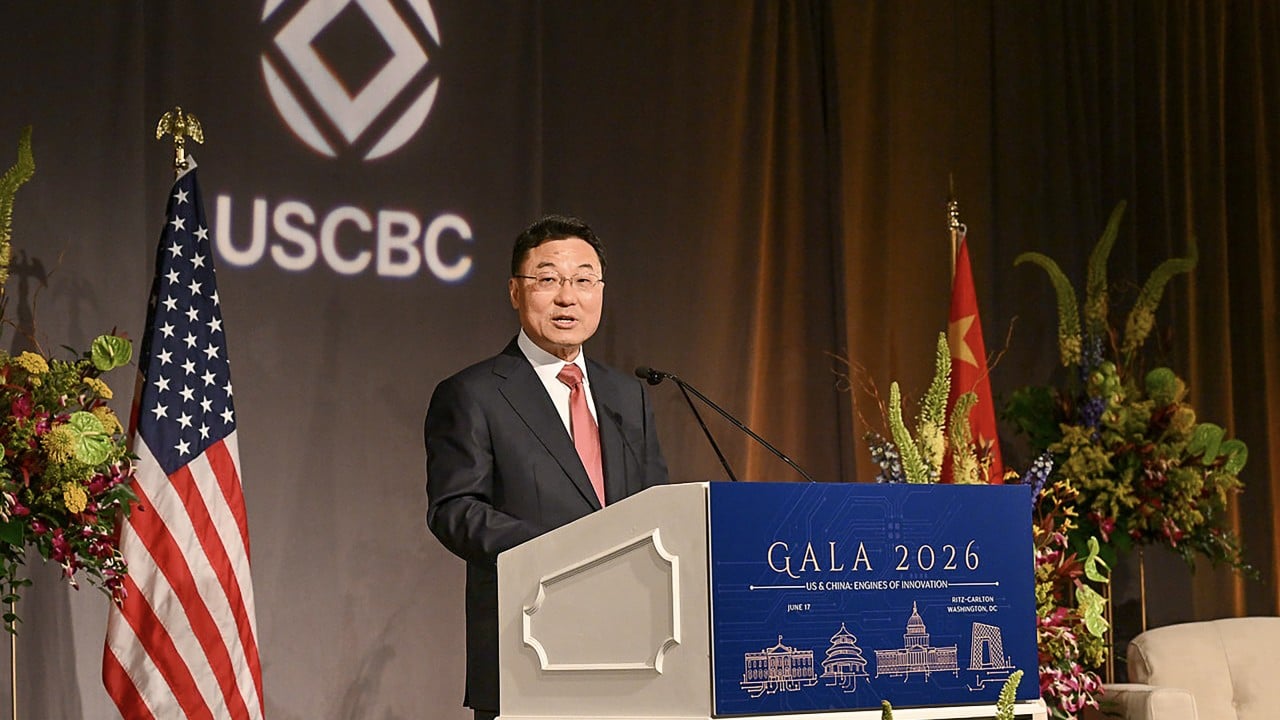
China is proposing a massive ten-fold expansion of tariff-free trade limits under a jointly managed oversight board. The plan, floated by Beijing’s envoy to Washington, sounds like a radical blueprint for economic peace, but it is dead on arrival. By pitching a sweeping liberalization of duty-free thresholds, China aims to bypass the gridlock of current trade restrictions. However, the proposal ignores the political reality in Washington, where both political parties are moving to restrict trade loopholes rather than expand them.
Behind the bold rhetoric lies a desperate attempt to institutionalize access to the American consumer. The strategy targets what trade lawyers call de minimis entry, the rule that allows low-value shipments to enter the country without duties or intense customs scrutiny. Beijing wants to scale this arrangement up significantly under a bilateral panel.
It is a masterful piece of diplomatic theater. It shifts the blame for ongoing economic friction onto American protectionism while offering a solution that looks cooperative on paper.
The Calculus Behind the Ten Fold Demand
The timing of this proposal is not accidental. Chinese exporters are facing a tightening squeeze from global supply chain realignments and existing tariff structures. By proposing a joint board to oversee a tenfold increase in duty-free trade ceilings, Beijing is attempting to rewrite the rules of engagement before Washington clamps down further.
To understand the mechanics, look at how modern e-commerce operates. Millions of small packages enter Western markets daily, slipping under the regulatory radar because they fall below the current financial threshold for formal customs declarations. Raising this limit by a factor of ten would effectively turn a minor legal exemption into the primary channel for bilateral trade.
This is not a minor policy tweak. It is an economic restructuring masquerading as an administrative upgrade. A joint board would give Beijing an equal vote in how American import laws are enforced at the border, a concession no administration in Washington would ever grant.
Why Washington Will Pull the Plug
The proposal fundamentally misunderstands the current mood in the capital. There is zero appetite for lowering trade barriers with a strategic rival, let alone giving that rival a seat on a regulatory board.
- Domestic manufacturing pressure: Local producers argue that cheap, untaxed imports undermine domestic factories that have to comply with strict labor and environmental laws.
- The fentanyl and contraband crisis: Customs officials are already overwhelmed by the sheer volume of small packages. Expanding the quota would make thorough inspections impossible.
- Loss of tariff revenue: Governments rely on customs duties both as a revenue stream and as economic leverage. Giving that up voluntarily makes little fiscal sense.
Consider the reality of border enforcement. If a port of entry is swamped with ten times the current volume of unverified packages, the inspection process breaks down entirely. It creates an enforcement vacuum that benefits high-volume, low-cost manufacturers while leaving local regulators blind to what is actually crossing the border.
The Structural Flaw in the Joint Board Model
The concept of a joint board is the most unrealistic part of the envoy’s pitch. International trade bodies work when both sides share similar economic philosophies. They fail when one partner operates a state-directed economy and the other relies on market mechanisms.
A bilateral board would inevitably end up in perpetual deadlock. If American regulators wanted to halt a surge of specific goods due to labor concerns, the Chinese representatives on the board could simply veto the action. Instead of streamlining trade, it would institutionalize gridlock, turning every minor customs dispute into a diplomatic incident.
"A joint trade board only works if both parties agree on what constitutes fair competition. When one side subsidizes production and the other relies on open markets, a shared committee becomes a weapon for delay rather than a tool for cooperation."
The suggestion is a classic distraction tactic. It allows Beijing to position itself as the champion of free trade and global integration, while knowing full well the terms are unacceptable to the United States. If the U.S. rejects the offer, China can claim it tried to find a peaceful resolution to the trade war but was rebuffed by American hawks.
The Real Winner in the De Minimis Loophole
The current debate centers on who actually benefits from these trade exemptions. While consumers enjoy cheap goods, the long-term structural damage to the domestic retail and manufacturing sectors is becoming harder to ignore.
Tariffs vs Reality
| Market Element | Current System | Proposed Ten-Fold System |
|---|---|---|
| Import Scrutiny | High for commercial freight, low for small parcels | Minimal across the board due to sheer volume |
| Domestic Protection | Moderate protection via selective tariffs | Complete erosion of tariff effectiveness |
| Regulatory Control | Solely managed by domestic customs agencies | Shared veto power with a foreign government |
The table illustrates the shift in leverage. The proposed system would strip domestic agencies of their unilateral power to protect markets, transferring that authority to a deadlocked committee.
The Logistics Nightmare of Unchecked Volume
Supply chains are already strained by shifts in global shipping routes and rising fuel costs. Flooding the market with millions of additional duty-free parcels creates a logistics bottleneck that penalizes traditional importers. Traditional importers pay full tariffs, use formal entry procedures, and employ local workers to manage distribution.
By subsidizing the shipping costs of direct-to-consumer models, foreign competitors can undercut businesses that operate within the traditional legal framework. This creates an uneven playing field where compliance is penalized and evasion is rewarded.
The envoy's proposal seeks to legitimize this imbalance. By enshrining a massive duty-free allowance in a bilateral agreement, it would shield this specific business model from future legislative crackdowns. It protects the platform companies that drive the modern export economy at the expense of sustainable, long-term trade relations.
The Path Forward Requires Symmetry Not Loopholes
True trade stabilization does not come from creating larger exemptions to existing laws. It comes from enforcing rules equitably across all sectors and platforms.
If Beijing wants to reduce trade tensions, the solution involves addressing the root causes of the friction. This means addressing industrial overcapacity, eliminating state subsidies for export-heavy industries, and ensuring intellectual property protection. Offering a massive expansion of a controversial customs loophole does none of these things. It merely shifts the venue of the conflict from the factory floor to the post office.
Washington is already preparing legislation to close existing trade loopholes, not widen them. Lawmakers are looking for ways to subject low-value shipments to the same scrutiny as commercial cargo to protect domestic interests and ensure national security.
The envoy’s proposal is a relic of an era of globalization that no longer exists. The assumption that access to Western markets will remain unfettered and unregulated is a calculation that ignores the current political climate. The era of turning a blind eye to structural trade imbalances in exchange for cheap consumer goods has reached its limit, and no amount of diplomatic maneuvering under the guise of a joint board will revive it. Instead of expanding the loophole, expect the doors to close tighter.


