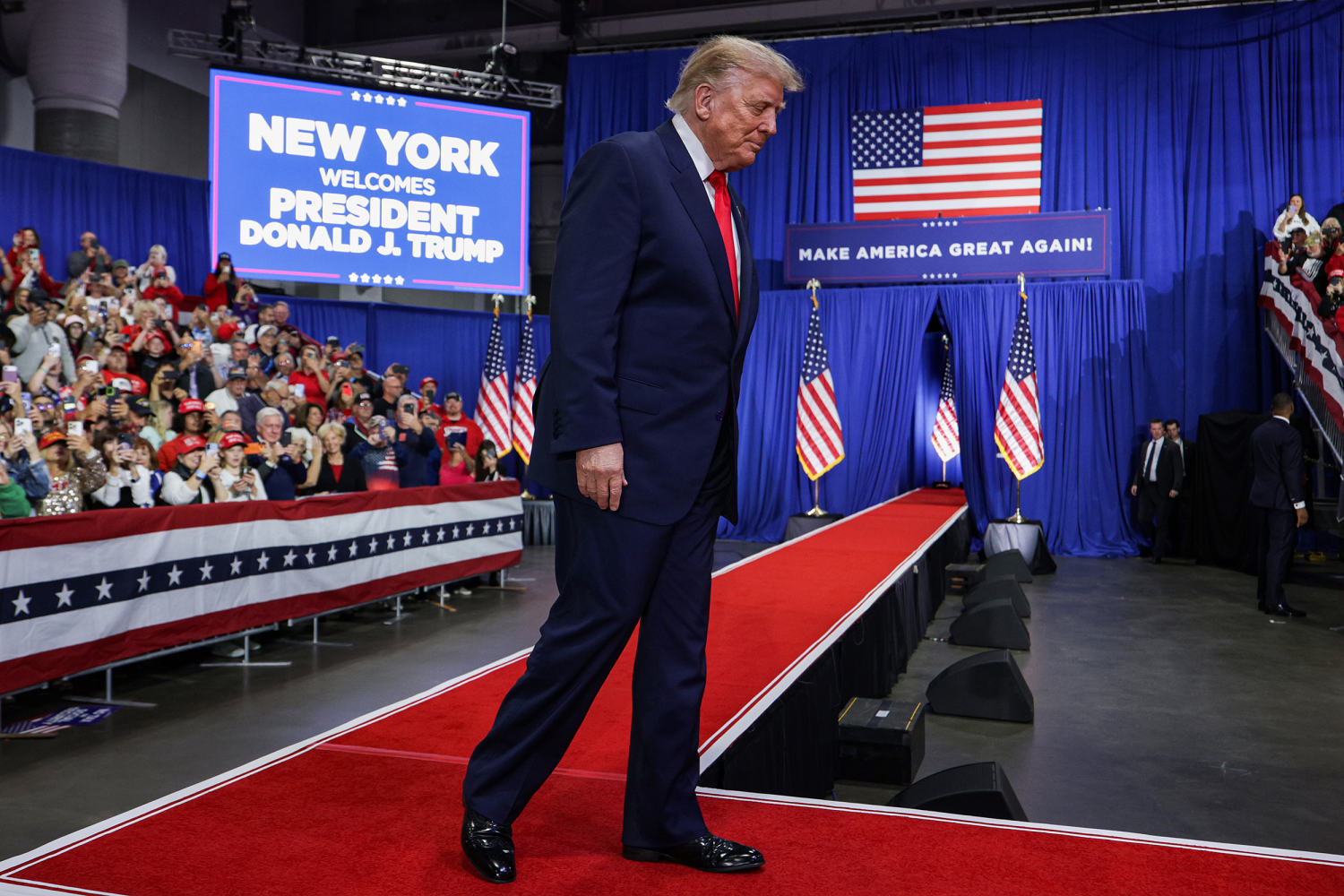
International relations operate on a currency of perceived legitimacy, institutional authority, and reciprocal signaling. When a political figure publicly attacks the governing bodies of foreign sovereign entities over unfulfilled accolades, it exposes the underlying mechanics of diplomatic leverage and the structural limitations of political grievance. The friction between former United States President Donald Trump and the Norwegian Nobel Committee following the omission of a Peace Prize nomination illustrates a textbook case of reputational signaling misaligned with institutional design. To understand this dynamic, one must examine the cost function of public pressure, the autonomy of non-state and quasi-governmental adjudicators, and the strategic utility of manufactured institutional crises.
The Incentive Structure of Recognition
Statecraft relies heavily on symbolic capital. Awards, treaties, and international commendations serve as proxies for moral and political authority. Within domestic political markets, securing external validation acts as a credibility multiplier, easing the friction of coalition building and reinforcing a narrative of exceptionalism. For a closer look into this area, we suggest: this related article.
When that validation is withheld, a structural deficit emerges. Political actors facing this deficit typically deploy one of two strategies: quiet remediation through backchannel diplomacy or public delegitimization of the awarding institution. Opting for the latter shifts the objective from claiming the prize to contesting the legitimacy of the prize itself.
The Norwegian Nobel Committee operates under a distinct structural mandate. Established by Alfred Nobel’s will, the five-member committee is appointed by the Storting, the Parliament of Norway. However, by institutional design and long-standing precedent, the committee functions with strict autonomy from both the Norwegian executive branch and the legislative body. Conflating the committee's decisions with the geopolitical posture of the Norwegian state represents a fundamental misunderstanding of decentralized governance structures. To get more context on this topic, extensive coverage can be read on BBC News.
The Cost Function of Institutional Delegitimization
When a political actor declares that an institutional decision leaves an indelible stain on a sovereign nation, they engage in a high-risk signaling game. The mechanics of this tactic involve several distinct variables:
- Audience Segmentation: The primary target of the grievance is rarely the institution itself; it is the domestic constituency. By framing foreign institutions as biased or corrupt, leaders reinforce an "us versus them" dichotomy that insulates their base from mainstream international consensus.
- Diplomatic Externality: Unlike domestic political sparring, attacks on foreign legislative bodies or quasi-independent committees generate negative externalities. They strain bilateral ties, complicate diplomatic channels, and introduce volatility into trade and defense discussions.
- Diminishing Returns on Rhetoric: Repeatedly invoking existential grievances against minor international actors yields diminishing returns. Over time, external observers discount the severity of the rhetoric, neutralizing its intended political impact.
The friction here arises from a clash of accountability frameworks. Political leaders operate within short-term electoral feedback loops, where immediate narrative dominance outweighs long-term institutional stability. Independent award committees operate within multi-year evaluation windows designed to insulate decisions from immediate political currents. When these two systems collide, the resulting tension is inevitable.
Navigating Institutional Autonomy in Foreign Policy
For international strategists and diplomatic corps, managing such friction requires a precise playbook. First, clear boundaries must be maintained between state actors and independent adjudication bodies. Conceding institutional interference where none exists validates false premises and undermines the credibility of international rule of law. Second, narrative containment is essential. Engaging directly in tit-for-tat public disputes with political figures over honorary awards elevates marginal grievances into central diplomatic burdens.
The structural reality of international recognition is that prestige cannot be coerced. Attempts to extract validation through public pressure or threats of reputational damage routinely backfire, cementing the independence of the awarding body while alienating potential allies. Long-term political capital is preserved not by contesting every withheld accolade, but by recognizing the systemic boundaries that keep institutional decisions insulated from executive demand.