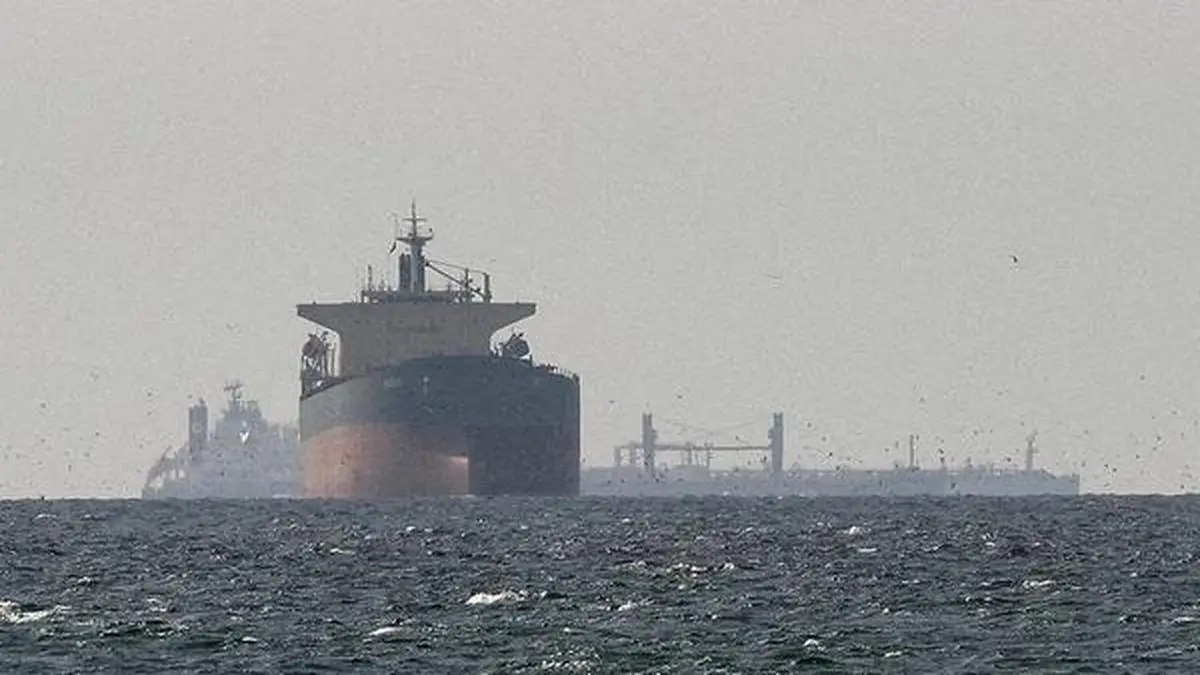
The headlines are predictable, sanitized, and utterly useless. An Indian sailor dies in a dhow fire near the Strait of Hormuz. The reportage follows a weary script: a tragic accident, a brief mention of "technical failure," a nod to the dangerous waters of the Middle East, and perhaps a quote from a mourning family.
It is a lie by omission. For a more detailed analysis into similar topics, we suggest: this related article.
Calling these incidents "accidents" is like calling a game of Russian roulette a "mishap." We are conditioned to view the dhow trade—the ancient wooden vessels plying the waters between Dubai, Iran, and the Horn of Africa—as a romantic, historical vestige. In reality, it is a deregulated shadow economy that survives on the systematic expendability of human life. If you think this fire was about a faulty wire or a stray spark, you are missing the structural rot that makes these deaths inevitable.
The Regulatory Black Hole
The Strait of Hormuz is the world’s most sensitive chokepoint. We track every VLCC (Very Large Crude Carrier) via satellite. We monitor naval movements with high-resolution sensors. Yet, the thousands of dhows moving through these waters operate in a jurisdictional void. To get more details on this development, detailed coverage can be read on Reuters.
Standard maritime safety protocols, like those dictated by the International Maritime Organization (IMO) under the SOLAS (Safety of Life at Sea) convention, generally apply to vessels over 500 gross tonnage. Most dhows sit comfortably below this threshold or operate under "non-convention" status. This isn't a loophole; it’s a deliberate design choice by regional powers to keep costs low and trade flowing.
When a sailor dies on a dhow, the industry treats it as a rounding error. These vessels lack:
- Automated fire suppression systems.
- Standardized electrical wiring (most are "jury-rigged" by crew members with no engineering background).
- Mandatory AIS (Automatic Identification System) transparency.
I have stood on the docks in Sharjah and Dubai. I have seen dhows loaded so heavily with electronics, tires, and cooking oil that their freeboard—the distance from the waterline to the deck—is practically non-existent. We aren't looking at "accidents." We are looking at floating tinderboxes that are legally permitted to burn.
The Myth of "Technical Failure"
Every news outlet will blame "technical failure." This phrase is a shield. It suggests a piece of equipment failed unexpectedly despite proper maintenance.
Let’s be honest. There is no maintenance.
On a modern cargo ship, a chief engineer manages a rigorous planned maintenance system (PMS). On a dhow, "maintenance" means hitting a pump with a wrench until it starts or taping over a frayed wire. The fire near the Strait of Hormuz wasn't a failure of technology; it was a success of the business model. The model requires the vessel to be as cheap as possible, which means bypassing every safety innovation of the last hundred years.
Imagine a scenario where we forced these vessels to comply with basic fire safety standards. The entire dhow economy would collapse overnight. The margins are so thin that the cost of a single CO2 flooding system would exceed the profit of three voyages. The industry chooses fire over bankruptcy. The sailor pays the difference with his life.
Why We Ignore the Human Cost
Why don't we see international outrage? Because the victims are almost exclusively from the Indian subcontinent—specifically Kerala, Gujarat, and Tamil Nadu. These men are the "ghosts" of the global supply chain.
We talk about "seafarers' rights" in the context of Maersk or MSC. We don't talk about them in the context of a wooden boat carrying 5,000 air conditioning units to Bandar Abbas. These sailors operate outside the protections of the Maritime Labour Convention (MLC). They often work without formal contracts, insurance, or any hope of compensation for their families when the hull turns to ash.
The "lazy consensus" says we should improve training for these crews. This is a patronizing fantasy. You cannot "train" a man to survive a massive chemical fire on a wooden boat with two hand-held extinguishers and no lifeboats. The problem isn't a lack of skill; it's a lack of steel.
The Geopolitical Blind Spot
The Strait of Hormuz is a theater of high-stakes signaling between Iran and the West. Because of this, the "small-scale" dhow trade is used as a pressure valve. These boats move goods that sanctions make difficult to transport through traditional channels.
Everyone—from port authorities to naval patrols—has an incentive to look the other way. If you start inspecting dhows for fire safety, you slow down the only trade that keeps certain regional ports alive. Safety is an inconvenience to geopolitics.
The death of an Indian sailor is a quiet price the world is willing to pay to keep the gray market moving. We call it "tragedy" because calling it "collateral damage for cheap trade" would require us to actually do something about it.
Stop Asking the Wrong Questions
People ask: "How can we make dhows safer?"
The answer is: "You can't."
The dhow, in its current commercial form, is an obsolete technology being pushed beyond its physical limits by modern greed. You can’t make a 100-foot wooden hull packed with lithium batteries and diesel "safe."
The real question is why we allow these vessels to clear port in the first place. The answer is uncomfortable. We allow it because we value the flow of unrecorded cargo more than the lives of the men moving it.
We don't need "more investigations." We know why the boat burned. It burned because it was a wooden box filled with fuel and ignored by every regulator on the planet.
If you want to stop the deaths, you have to stop the trade. You have to mandate that any vessel crossing an international chokepoint meets the same rigorous standards as a container ship. Anything less is just waiting for the next funeral.
The fire near the Strait of Hormuz wasn't a freak occurrence. It was a predictable outcome of a global maritime system that values "traditional trade" as a euphemism for "unregulated risk."
Quit mourning the "accident" and start blaming the architecture that demanded it happen.