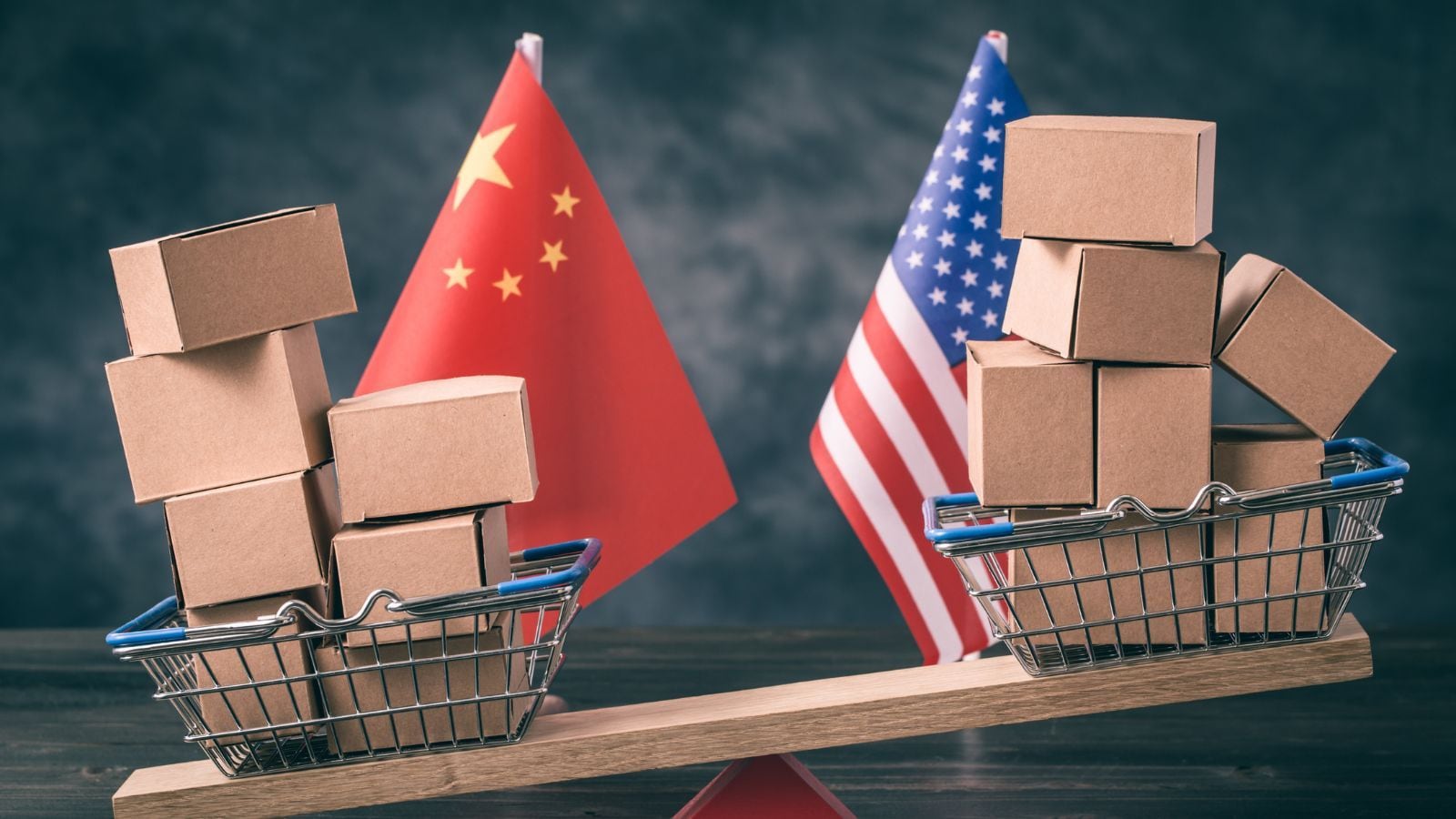
Everyone is crying foul over the trade court ruling backing the closure of the eight hundred dollar duty loophole. Retail pundits are screaming about higher prices, angry consumers, and the death of cheap online shopping. They have completely missed the plot. I have watched legacy logistics budgets burn to ash while low-cost foreign direct-to-consumer platforms bypassed every single tariff, environmental standard, and labor safety check designed to keep our markets fair.
The conventional wisdom claims that taxing sub-eight-hundred-dollar shipments destroys value. It is the exact opposite. It forces a broken, loophole-dependent trade model to finally pay its rent. You might also find this related coverage useful: The US Student Enrollment Slump And Why Indian Applicants Are Walking Away.
The Lazy Consensus on Low-Value Imports
Look at the headlines across the trade press right now. They all sing the same pathetic tune. The argument goes like this: everyday shoppers rely on ultra-cheap imports from platforms operating out of overseas manufacturing hubs, and killing the tariff exemption is a direct tax on working-class households.
It sounds compassionate. It is also entirely superficial. As discussed in recent coverage by Harvard Business Review, the results are worth noting.
The eight hundred dollar threshold, known formally as Section three hundred twenty-one, was never meant to be a permanent subsidy for multinational fast-fashion giants and drop-shipping juggernauts. It was originally engineered for low-value mail and personal gifts. Instead, it mutated into a colossal freight superhighway. Millions of packages slip past customs daily, evading duties, bypassing intensive inspections, and flooding domestic markets with goods that face zero regulatory scrutiny.
When you allow foreign entities to ship retail goods directly to consumer doorsteps tariff-free while domestic merchants pay corporate taxes, property taxes, import duties, and strict compliance costs, you are not championing affordability. You are engineering the suicide of domestic retail.
What the Pundits Get Wrong About Supply Chain Economics
I have spent years watching supply chain executives try to compete against a machine subsidized by a tax loophole. The math was never fair.
When a foreign seller splits bulk inventory into hundreds of thousands of individual parcel shipments valued just under the threshold, they bypass Section three hundred one tariffs and standard customs processing fees. They externalize their operational costs onto our customs infrastructure. U.S. Customs and Border Protection has been drowning in an ocean of millions of tiny boxes, making genuine security enforcement nearly impossible.
The lazy narrative assumes that the price tag on a cheap internet gadget reflects its true cost. It does not. The missing piece of the equation is the hidden subsidy paid by taxpayers who fund the infrastructure required to process that endless wave of packages, and the domestic businesses losing market share to entities playing by an entirely different set of rules.
Closing the exemption levels the playing field. It forces foreign sellers to utilize proper commercial entry channels, pay the appropriate duties, and share the burden of maintaining the economic ecosystem they profit from.
The Brutal Truth About Consumer Prices
Let address the elephant in the room. Yes, retail prices for certain imported items will rise. Good.
For too long, American consumers have been addicted to artificially deflated prices subsidized by regulatory arbitrage and exploited labor standards. When an item can be manufactured, packed, shipped across an ocean via air freight, and delivered to a porch for less than the domestic cost of raw materials alone, something is profoundly broken in the economic engine.
Cheap goods are fantastic until you realize your local tax base is shrinking, domestic manufacturing infrastructure has hollowed out, and retail workers have been priced out of employment. Raising the friction on ultra-cheap imports corrects a market distortion. It shifts consumer behavior back toward sustainability and rewards companies that invest in local distribution networks, reliable fulfillment, and fair labor practices.
Imagine a scenario where retail competition is based on product quality, efficient supply chains, and genuine innovation rather than who can exploit a customs loophole the most effectively. That is the world this trade court ruling forces us back toward.
The Regulatory Reality Check
The legal battle over the closure of this exemption has exposed the sheer fragility of modern e-commerce models. Companies built their entire valuation on the permanence of a regulatory oversight. That is not business strategy; that is regulatory rent-seeking.
When the Court of International Trade upheld the authority to shut down or heavily restrict these exemptions, it signaled the end of the free-for-all era. Customs enforcement agencies are shifting from passive observers to active gatekeepers. They are demanding transparency, accurate manifests, and proper duty collection on every commercial entry, regardless of how small the individual parcel might seem.
Merchants who spent the last decade building their operational models around tax avoidance are now panicking. Good operators are adapting. They are establishing domestic fulfillment hubs, optimizing bulk shipping strategies, and abandoning the fragile single-parcel drop-ship model.
How to Win in the Post-Exemption Market
If you are running a retail brand or an e-commerce operation, whining about the death of the loophole will not save your profit margins. You need to pivot immediately.
- Audit Your Sourcing: If your entire margin relies on sub-eight-hundred-dollar duty exemptions to stay afloat, your business model is dead. Find more resilient supply chains.
- Invest in Domestic Warehousing: Shift away from direct international air parcels. Move inventory in bulk through legitimate commercial channels and fulfill orders locally.
- Compete on Value, Not Gimmicks: When prices normalize across the board, consumers will stop buying disposable garbage and start investing in durable goods. Position your catalog accordingly.
The era of regulatory free lunches is over. Adapt or get out of the way.