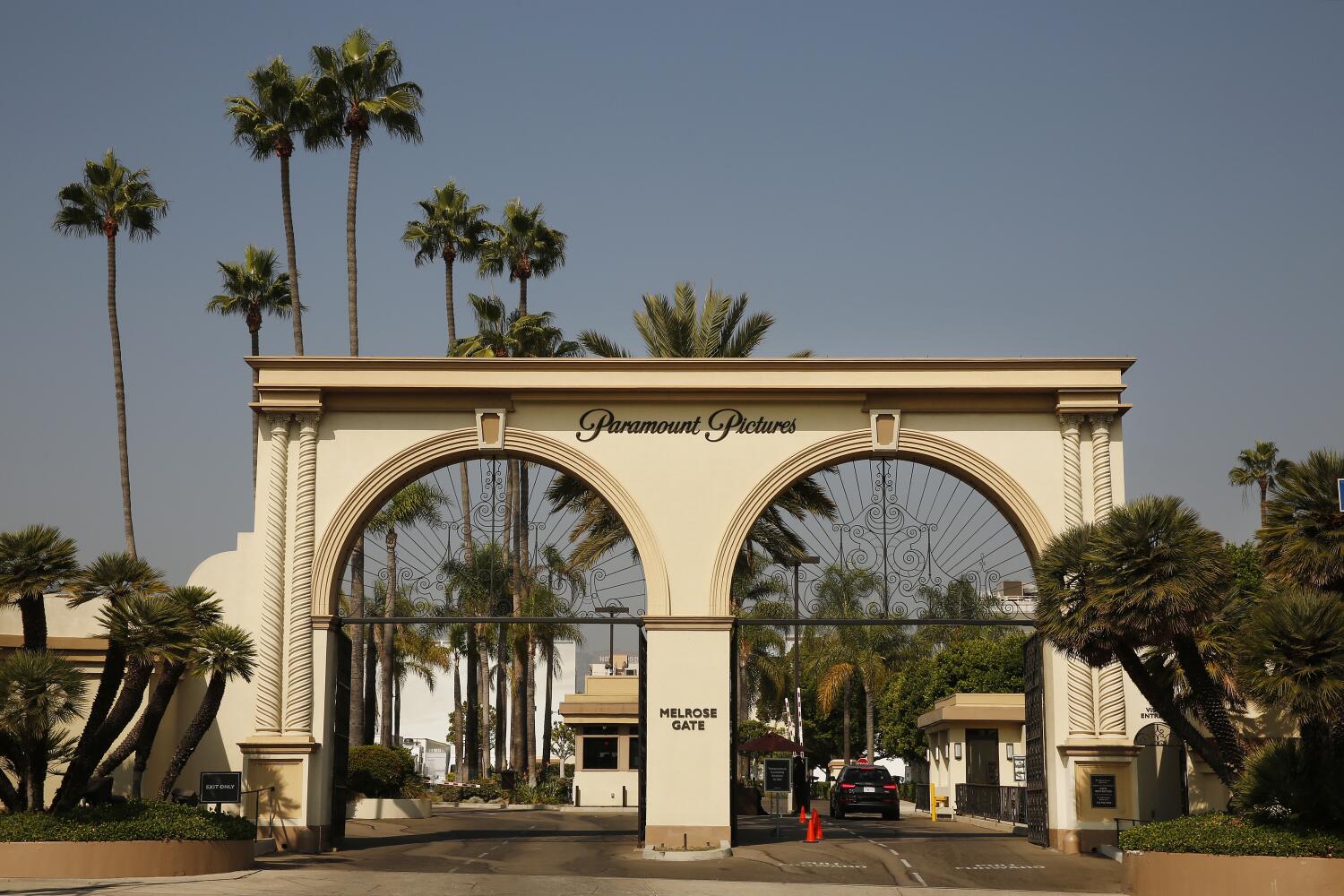
The lights don’t just go down in a movie theater; they vanish. For a hundred years, that collective intake of breath in the dark has been the heartbeat of a global industry. But inside the mahogany-rowed offices of New York and Los Angeles, the heartbeat is stuttering. The proposed merger between Paramount and Warner Bros. Discovery isn't just another line item on a quarterly earnings report. It is an earthquake. If these two titans fuse into a single, lumbering monolith, the very DNA of what we watch—and who gets to make it—will be rewritten.
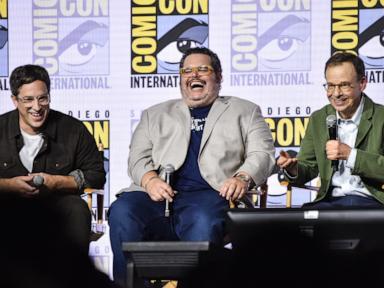
Hollywood’s elite are not taking this quietly. From A-list directors to the writers who grind out dialogue in windowless rooms, the resistance is vocal, frantic, and deeply personal. They aren't just worried about their paychecks. They are worried about the soul of the story.
The Shrinking Table
Think of the film industry as a dinner party. Twenty years ago, the table was long. You had the "Big Six" studios, a handful of powerful indies, and mid-sized players all jostling for space. There were enough chairs for everyone. If Universal hated your script, you walked across the street to Paramount. If Paramount passed, you tried your luck at Warner Bros. or 20th Century Fox.
Competition was the oxygen.
Now, imagine the host starts removing chairs. Disney swallowed Fox. Discovery devoured Warner. Now, the table is getting so small that only two or three guests can sit down. When Paramount and Warner Bros. Discovery—two of the oldest names in the business—talk about becoming one, they aren't just sharing a bank account. They are closing the door on the "No."
In a world with only three major buyers, a "No" from one executive is no longer a setback. It is a death sentence for a project.
The Ghost of the $40 Million Movie
Consider a hypothetical filmmaker named Sarah. She isn’t trying to direct the next superhero spectacle with a $300 million budget. She doesn’t want to make a $50,000 DIY horror film in her garage. Sarah wants to make the kind of movie that used to define Hollywood: a smart, adult drama with a $40 million price tag. The kind of movie where people sit in rooms and talk, and the stakes are emotional rather than intergalactic.
In the old ecosystem, Sarah had options. One studio might take a gamble on her because they needed a prestigious "prestige" play for Oscar season. Another might back her because they had a gap in their autumn release schedule.
But under a Paramount-Warner behemoth, the math changes. Big corporations don’t want "singles" or "doubles." They want home runs. They want "intellectual property" that can be turned into theme park rides, lunchboxes, and six seasons of a spin-off series.
Sarah’s $40 million drama doesn't have a toy line. It doesn't have a cape. In a consolidated market, Sarah’s movie never gets made. We lose the nuances of the human experience because the accountants only have eyes for the "megahit."
The Red Tape and the Pink Slips
The suits call it "synergy." It’s a clean word for a messy reality.
When two companies of this scale merge, they look for "redundancies." That is corporate-speak for people. It means the marketing department at Paramount is suddenly competing for the same desks as the marketing department at Warner. It means thousands of publicists, accountants, assistants, and mid-level executives—the literal infrastructure of the dream factory—are shown the door.
The human cost is staggering. We saw it during the Disney-Fox merger, where thousands of years of collective institutional knowledge were wiped out in a single fiscal quarter.
The stars lining up against this merger—the Clooneys, the Spielbergs, the locally famous character actors—aren't just protecting their friends. They understand that a healthy industry requires a middle class. You cannot have a flourishing creative community when the only people left are the kings and the serfdom.
The Algorithm vs. The Instinct
There is a specific kind of magic that happens when a studio head trusts their gut. It’s how we got The Godfather. It’s how we got Blade Runner. It’s how we got Barbie.
But as these companies grow larger, they become risk-averse. They move away from human instinct and toward the cold, hard data of the algorithm. A merged Paramount-Warner entity would be a slave to its debt. Warner Bros. Discovery is already drowning in billions of dollars of leverage. To pay that off, they can't afford to be "interesting." They have to be "safe."
Innovation dies in the shadow of massive debt.
When a studio is terrified of losing money, they stop looking for the next great storyteller. They start looking for the next "content vertical." The language itself has shifted. We no longer talk about "films" or "movies"; we talk about "assets" and "deliverables."
The Vanishing Choice
What does this mean for you, the person sitting on your couch on a Tuesday night?
It means your streaming bill goes up while your choices go down. When competition vanishes, the incentive to provide quality at a fair price vanishes with it. If Paramount+ and Max (formerly HBO Max) become one giant entity, they don't have to fight for your $15.99 a month anymore. Where else are you going to go?
We are watching the slow-motion formation of a utility company. Entertainment shouldn't feel like paying your water bill. It should feel like an event. It should feel like a choice.
The actors and directors sounding the alarm are trying to tell us that the walls are closing in. They see a future where the library of human stories is curated by a single board of directors whose primary concern isn't "Is this good?" but "Will this appease the bondholders?"
The Final Curtain
Walking through a studio lot is like walking through a graveyard of ideas. Thousands of scripts that were never produced, thousands of dreams that never quite caught fire. But historically, there was always a sense of "maybe next time." There was always another gate to knock on.
If this merger proceeds, many of those gates will be welded shut.
The resistance isn't about nostalgia. It’s about survival. It’s about ensuring that the next generation of storytellers has a place to fail, a place to grow, and a place to challenge the status quo.
We are at a crossroads. Down one path lies a vibrant, messy, competitive industry where art and commerce engage in a perpetual, productive war. Down the other lies a quiet, efficient, corporate monoculture where the lights go down, but nothing new ever really begins.
The stars are shouting because they know what happens when the silence becomes permanent.
The reel is spinning. The frame is flickering. We are waiting to see if anyone has the courage to stop the machine before the screen goes dark for good.