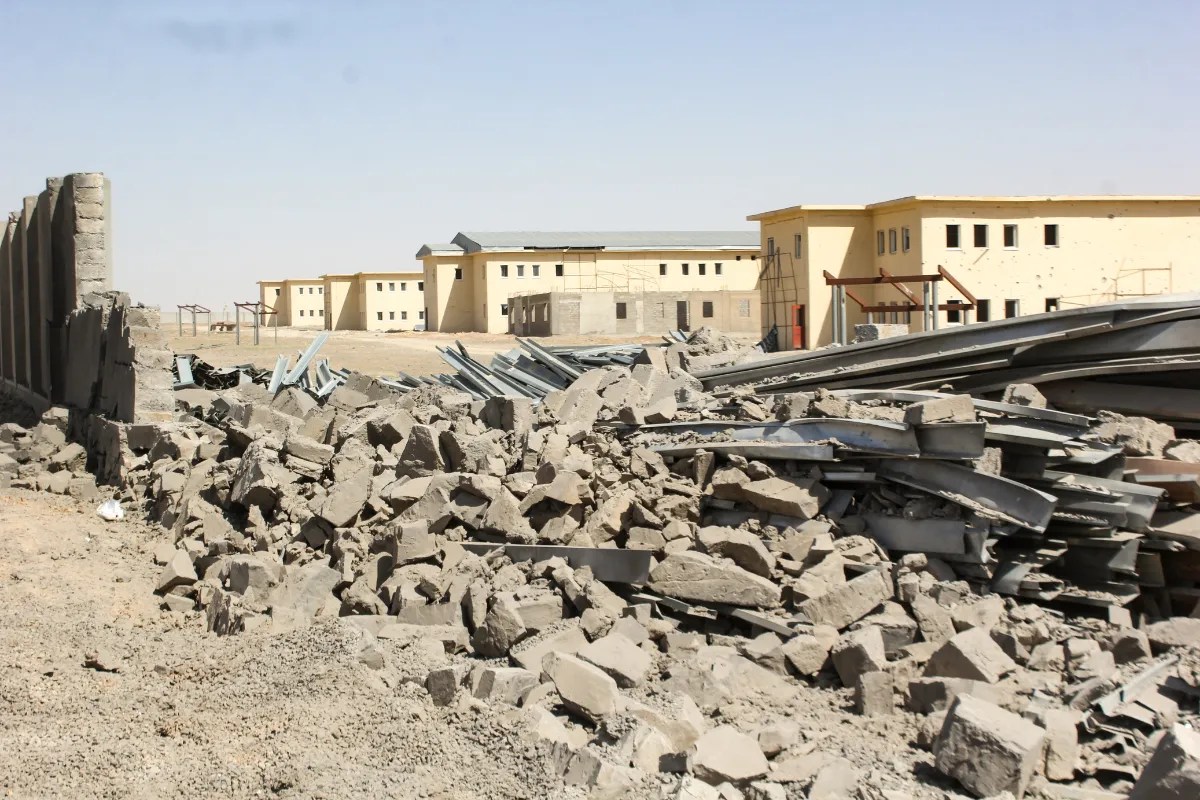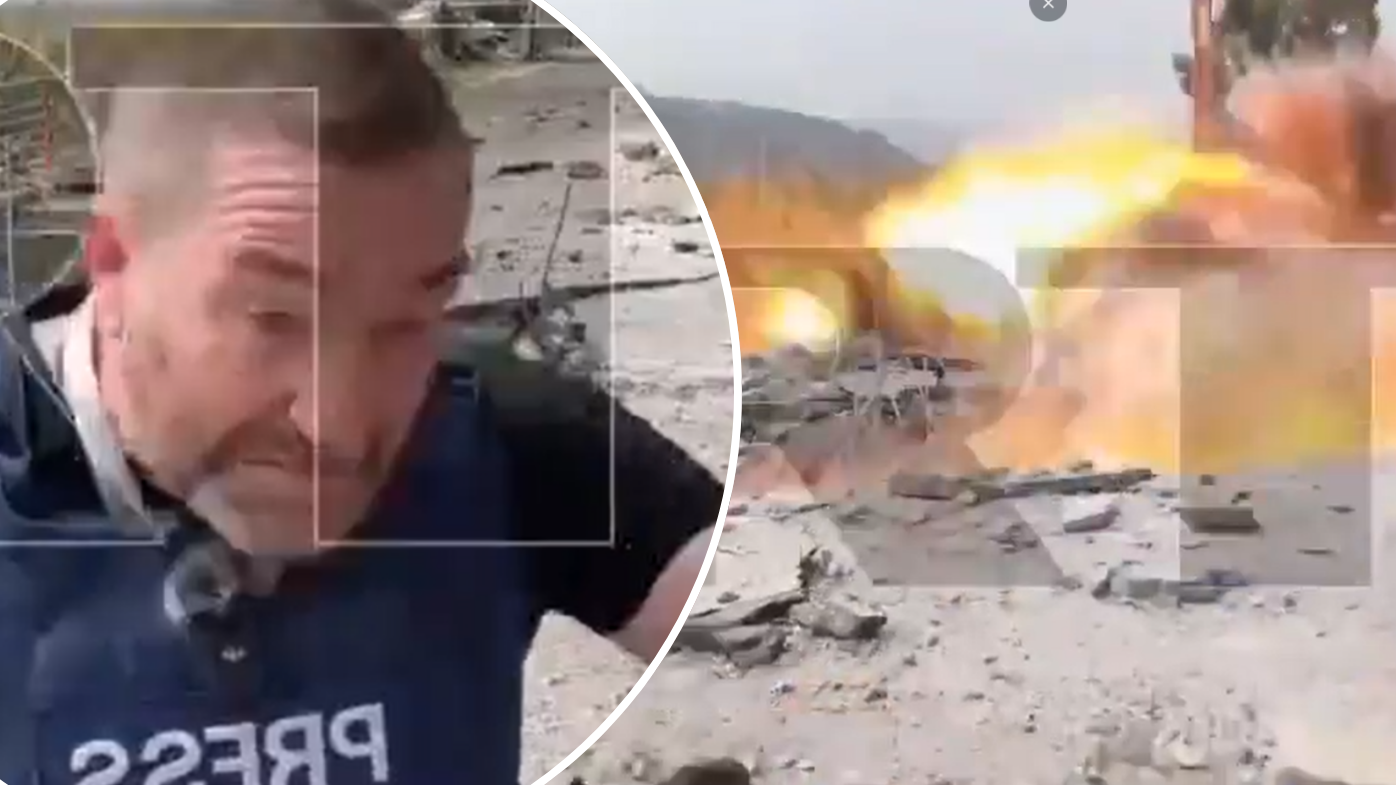
Modern warfare has no front line, and for the journalists currently embedded in the rolling hills of Southern Lebanon, there is no such thing as a "safe" distance. When a missile impacts just meters away from a television correspondent during a live broadcast, it isn't just a dramatic piece of footage for the evening news. It is a data point. It marks the complete collapse of the unspoken agreement that once protected the press in conflict zones. The recent narrow escape of a Russian TV crew in Lebanon serves as a grim case study in how precision-guided munitions and AI-driven targeting have turned the traditional "Press" vest into a high-visibility bullseye.
The incident involved a correspondent for a Russian state outlet who was mid-sentence when a strike leveled a structure immediately behind his position. The shockwave was instantaneous. Dust and masonry shrapnel filled the frame before the feed cut. While the crew survived, the event highlights a terrifying shift in the Lebanese theater of operations. We are no longer seeing "accidental" proximity strikes. We are seeing a battlefield where the margin for error has been reduced to zero by the very technologies meant to make war more surgical. Meanwhile, you can explore related stories here: The Cold Truth About Russias Crumbling Power Grid.
The Algorithm of Attrition
To understand why reporters are nearly dying on camera with increasing frequency, we have to look at the kill chain. In previous decades, a journalist’s safety relied on being recognizable. You wore blue. You traveled in vehicles marked "TV" in large, taped letters. You stayed near civilian infrastructure that was generally off-limits.
Today, those rules are dead. The Israeli-Lebanese border is currently monitored by a dense layer of autonomous and semi-autonomous surveillance. This includes persistent drone loitering and signals intelligence (SIGINT) that flags any concentrated electronic output. A news crew broadcasting live is a massive electronic beacon. They are pumping out high-bandwidth signals to satellites or local towers, making them the brightest objects on an electronic warfare map. To explore the complete picture, check out the recent article by NPR.
When an algorithm is scanning for "anomalous activity" or "command and control signatures," a mobile broadcast van or a high-powered uplink terminal can easily trigger a strike profile. The military logic is cold. If a target is identified as a threat or a tactical necessity, the presence of a camera crew within the blast radius is often categorized as "acceptable collateral" under revised rules of engagement that prioritize speed over verification.
The Myth of the Precision Strike
Military spokespeople often talk about "pinpoint accuracy." It sounds clean. It suggests that if you are ten meters away from a target, you are safe. This is a lethal lie.
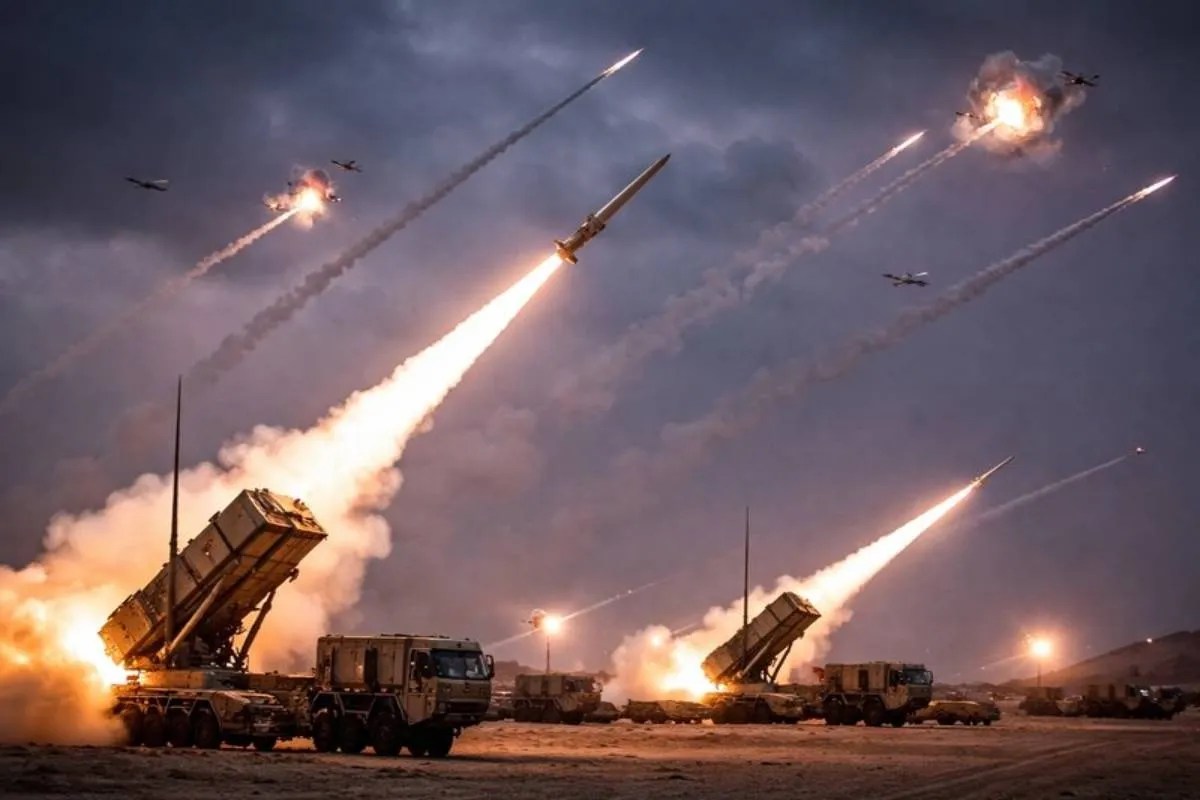
A standard air-to-surface missile, like the AGM-114 Hellfire or its local equivalents used in the Levant, doesn't just create a hole in the ground. It creates a lethal pressure wave and a fragmentation pattern that can travel hundreds of feet. When that Russian reporter stood "meters" from the impact, he wasn't saved by the accuracy of the missile. He was saved by the physics of the building that absorbed the initial blast and the sheer luck of his orientation to the shockwave.
The "why" behind these close calls is often a matter of target saturation. In Southern Lebanon, the density of targets—from Hezbollah launch sites to weapon caches hidden in residential blocks—means that there is almost no "empty" space. If a reporter stands on a street corner, they are likely within the kill radius of at least three potential targets at any given moment. The "how" is even more clinical. Modern munitions are frequently programmed with "delayed fuzing" to collapse structures from the inside out. This is why we see buildings drop vertically while reporters standing across the street are pelted with debris rather than being vaporized by the initial heat.
The Silence of Signal Intelligence
One factor the public rarely considers is the role of the smartphone in the pocket of every producer and camera operator. Modern militaries use "geofencing" to monitor movements in active zones. If a group of devices moves into a restricted area or stays stationary near a known militant waypoint, they are flagged.
In the heat of the current Lebanon conflict, there is little time for a human analyst to cross-reference those signals against a list of accredited journalists. The process is increasingly automated. The "Press" sticker on a helmet does nothing to stop a pre-programmed loitering munition that has already locked onto the GPS coordinates of a producer’s iPhone.
The Cost of Neutrality
There is a growing, cynical argument within defense circles that "embedded" journalism is the only way to ensure safety. The idea is that if you aren't with a military unit, you are a combatant by default. This is a direct assault on the concept of independent reporting. By making the "unaffiliated" space so dangerous that only the suicidal would enter it, combatants are effectively blindfolding the international community.
We are seeing a trend where the only footage coming out of the most intense conflict zones is either from military-controlled "embeds" or from high-risk independent operators who are essentially playing Russian roulette with every live hit. The Russian TV incident wasn't a fluke. It was a demonstration of the new normal where the vacuum of accountability is filled by high-explosive ordnance.
The Evolution of Tactical Deception
We must also address the brutal reality of how terrain is used. It is a documented tactic for various factions to operate in close proximity to civilian and press hubs to deter strikes. This creates a "human shield" dynamic that high-tech militaries are increasingly willing to ignore. When a missile lands near a reporter, it is often because the military has decided that the target’s value outweighs the PR disaster of killing a journalist.
This calculation has shifted significantly over the last two years. The international outrage that used to follow the death of a journalist has been diluted by a constant stream of high-definition "war porn" on social media. We have become desensitized. A reporter nearly dying on air is now just a viral clip, a three-second distraction before the next swipe.
The Technological Failure of Deconfliction
There are systems designed to prevent this. Deconfliction lines—direct communication channels between news organizations and military commands—are supposed to keep the press safe. But in the current escalation in Lebanon, these channels are failing.
Part of the problem is the speed of the "sensor-to-shooter" cycle. If a drone identifies a target, the window to strike might only be open for ninety seconds. There is no time to check a map of journalist locations. The machine sees a target, the operator confirms the target, and the missile is away. The reporter is an invisible variable in an equation that only cares about the destruction of the objective.
The equipment itself is also becoming a liability. Modern 5G bonding units, which allow reporters to broadcast without a massive satellite truck, look and act exactly like the high-tech communication gear used by modern irregular forces. To a drone operator sitting in an air-conditioned pod miles away, a journalist with a backpack and a handheld unit looks indistinguishable from a scout calling in coordinates for a rocket barrage.
Beyond the Lens
The psychological toll on the crews on the ground is immense. They are operating in an environment where the traditional safeguards have been stripped away. They know that the "Press" markings offer no physical protection against a guided bomb. They are essentially operating in a state of permanent "near-miss" trauma.
The Russian crew’s experience is a warning. It is a signal that the era of the "safe observer" is over. In Lebanon, the war is being fought with tools that do not recognize the nuance of a camera. They recognize heat, they recognize radio frequency, and they recognize movement.
The industry needs to stop treating these incidents as "miracles" or "lucky breaks." They are failures of international law and technological safeguards. If the current trajectory continues, the only news we will get from these regions will be from automated cameras or military propaganda wings. The "meter" that separated that reporter from death is the only space left for the truth, and that space is shrinking every single day.
News organizations must move toward passive transmission technologies that minimize their electronic footprint. We are entering an age where the only way to report the war is to be as invisible as the forces fighting it. The loud, proud broadcast of the past is a death sentence in the age of the algorithmic strike.
Check the metadata of your broadcast equipment before the next deployment.