The Anthem in the Static
The needle drops. A blare of brass cuts through the humid air of a crowded wedding reception, a dusty retro diner, or a packed stadium halfway across the world. Within three seconds, everyone knows exactly what to do. Hands fling into the air, spelling out four letters with geometric precision. It is a involuntary reflex of global joy. We have done it for decades. We do it without thinking.
But behind the booming brass, the leather jackets, the hard hats, and the construction gear stood a single voice. A voice that anchored the madness.
Victor Willis, the undeniable anchor and co-founder of the Village People, has stepped off the stage for the last time at the age of 74.
To the casual observer spinning a classic pop record, the Village People were a brilliant novelty, a colorful explosion of late-1970s energy that somehow captured the zeitgeist and never let it go. To look closely at the man holding the microphone, however, is to see a deeply complex architect of American pop culture. He was a man who took the raw, gritty energy of New York City and spun it into a universal language.
He was the policeman. He was the chief. He was the voice that made the world dance.
The Boy from Motown's Shadow
Long before the flashing lights of disco defined an era, there was a young man navigating the rich musical soil of the mid-20th century. Born in the segregated heartbeat of the American South and raised with the echoes of gospel vibrating through his bones, Willis did not simply stumble into show business. He was forged by it.
His upbringing was steeped in the tradition of the church choir, where a voice had to be powerful enough to reach the back pews without the aid of a microphone. It required grit. It required a certain kind of spiritual conviction.
By the time he reached adulthood, the musical theater scene in New York was calling. Willis was not interested in being a background singer. He possessed a rich, booming baritone that demanded attention. He landed a role in the Broadway musical The Wiz, a production that turned traditional storytelling on its head. It was here that his path crossed with Jacques Morali, a French producer with a wild dream and a keen eye for the shifts in American nightlife.
Morali saw something in Willis that went beyond raw talent. He saw authority. He saw a frontman who could ground the campy, theatrical concepts bubbling up from the underground clubs of Greenwich Village.
Consider the sheer audacity of the premise. In 1977, disco was thriving, but it was largely driven by ethereal divas and sleek, European production. Morali and Willis wanted something different. They wanted characters. They wanted an exaggerated, hyper-masculile fantasy that crossed boundaries, broke rules, and somehow appealed to everyone all at once.
Building the Village
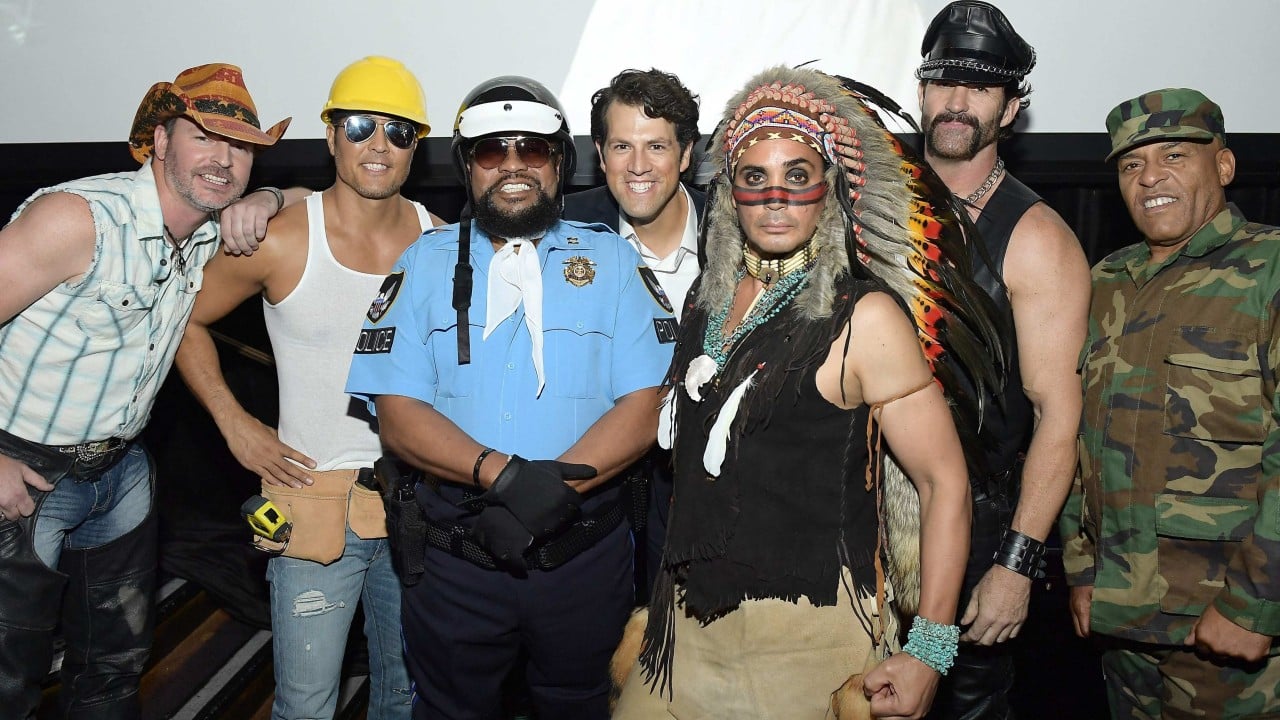
The concept came together like a fever dream. A cowboy, a Native American chief, a construction worker, a biker, a soldier, and a cop. It sounds like the setup to a joke, or perhaps a costume party gone delightfully off the rails. But when Willis stepped into the studio, the joke evaporated.
He co-wrote the lyrics to tracks that would become permanently etched into the human consciousness. "Macho Man." "In the Navy." And, of course, "Y.M.C.A."
Let us look past the stadium choreography for a moment and examine the mechanics of those songs. Willis wrote with a brilliant double lens. To the mainstream public, "Y.M.C.A." was a wholesome, upbeat anthem about a community center where young men could get a hot meal and play sports. To the marginalized communities navigating the shadows of urban America, it was an anthem of survival, sanctuary, and coded joy.
That duality was his true genius. He did not write down to his audience. He built a bridge wide enough for everyone to walk across, regardless of who they were or who they loved.
In the recording booth, Willis was a perfectionist. His vocals were not buried under layers of electronic synthesizers. They were pushed right to the front of the mix. Listen to the opening lines of "Y.M.C.A." today. There is a commanding, theatrical urgency in his delivery. He isn't just singing; he is issuing a joyful command. He commands you to lift your chin. He commands you to forget your troubles, if only for three minutes and forty-seven seconds.
The Cost of the Uniform
Fame at that velocity is rarely gentle. As the Village People exploded into a global phenomenon, selling tens of millions of records, the line between the man and the mascot began to blur. Willis found himself trapped inside the very image he helped create. The world wanted the singing policeman. They wanted the infectious smile and the tight choreography.
They did not always want the complicated artist underneath.
By the turn of the decade, the disco backlash hit American radio stations with a venomous intensity. Records were burned in baseball stadiums. The genre was declared dead. Willis walked away from the group in 1979, navigating a long, painful period of personal struggle, legal battles, and the quiet agony of watching his creations take on a life of their own without him.
For decades, a quiet war raged over the rights to those legendary songs. Willis fought tirelessly in courtrooms, challenging music publishers to reclaim the copyright to his own words. It was a grueling, unglamorous battle that lacked the glitter of his early days, but it was driven by the same fierce sense of identity. In 2015, he won a landmark legal victory, reclaiming his share of the rights to the hits that defined his youth.
It was a quiet triumph for every artist who has ever been separated from their own labor. It proved that behind the camp costume was a sharp, fiercely independent mind.
The Final Fade Out
In his later years, Willis returned to the fold, donning the uniform once more to tour the world and claim the adoration that was rightfully his. He looked out at crowds that now spanned three generations. Grandparents who had danced to his music in the clubs of 1978 stood side-by-side with teenagers who knew the words from viral internet videos.
The music had outlived the era that birthed it. It had become public domain in the emotional sense, a piece of shared human heritage.
Now, that booming voice has joined the great silence. The news of his passing at 74 brings a strange, sobering stillness to a musical legacy that was defined by perpetual motion. We are left with the artifacts: the vinyl grooves, the grainy television appearances, and the memory of a time when pop music felt massive, physical, and unashamedly fun.
Somewhere right now, a DJ is cueing up that familiar track. The brass will kick in. The crowd will assemble on the floor. Hands will reach up toward the ceiling, tracing those familiar shapes in the air. They will smile, they will shout, and for a brief moment, the spirit of the policeman from Greenwich Village will fill the room, alive, vital, and utterly timeless.