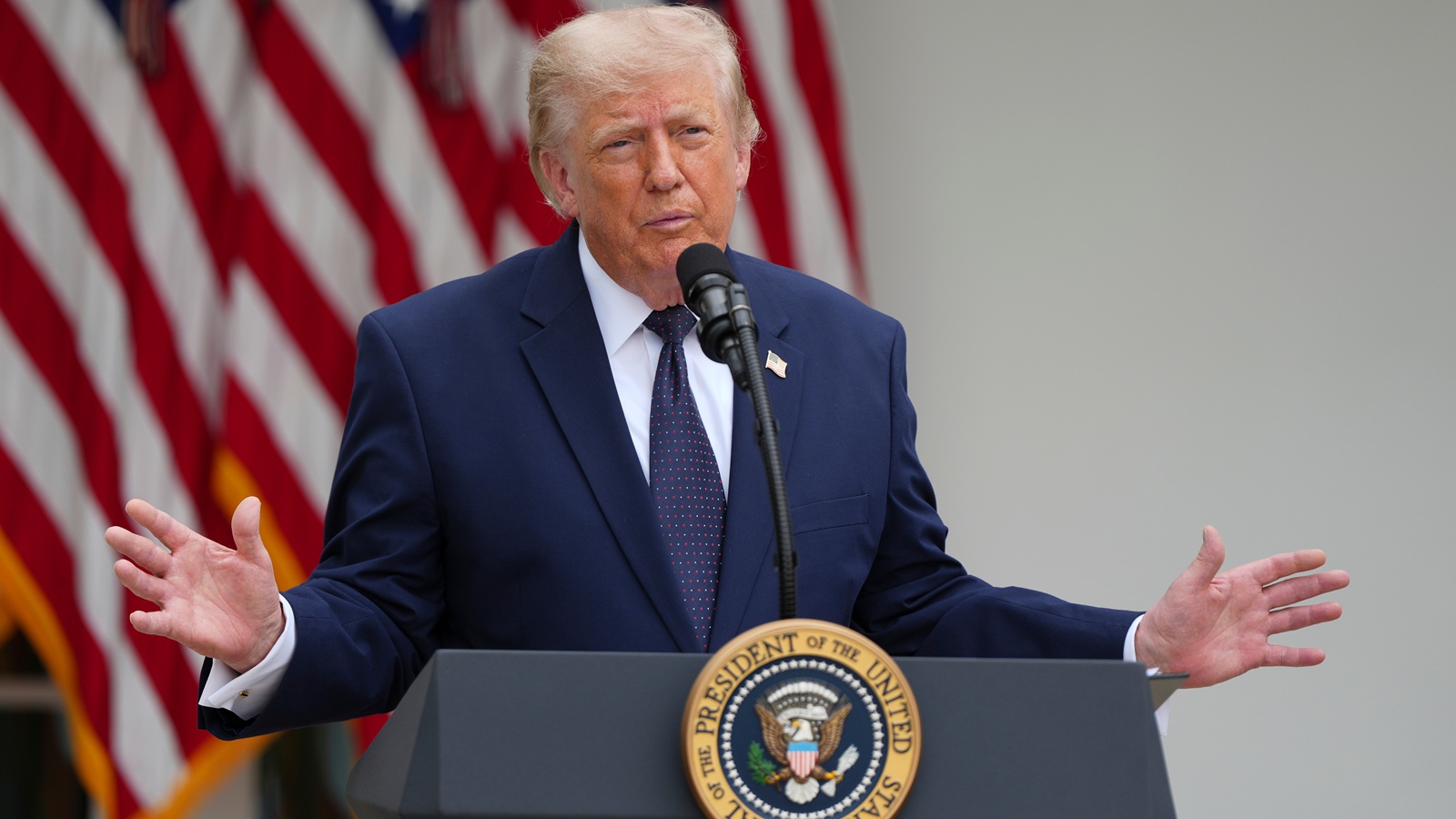
The United States is attempting to force a sweeping nuclear capitulation from a grieving but defiant Iran by threatening immediate, catastrophic infrastructure strikes if diplomacy fails. Speaking from the Oval Office, President Donald Trump warned that Washington will either secure a comprehensive deal or finish the job. This sharp escalation coincided with the massive, multi-day funeral procession for Iran's slain Supreme Leader, Ayatollah Ali Khamenei, who was killed during joint U.S. and Israeli airstrikes on February 28. While a fragile sixty-day ceasefire remains technically active to permit indirect negotiations, the White House is using the diplomatic pause not to build consensus, but to issue an ultimatum.
The core strategy depends on absolute economic exhaustion. Iran has run out of accessible cash. By keeping oil prices stable and maintaining an airtight financial blockade, the American administration believes it has cornered the clerical regime at its point of maximum vulnerability. Trump openly bragged about the ability of the U.S. military to dismantle Iran's bridges and power grid within hours, a clear sign that Washington views the transition period after Khamenei's death as the perfect moment to extract permanent concessions.
The Mirage of the Sixty Day Truce
The current ceasefire was never designed to be a peaceful transition. It is a tactical pressure mechanism disguised as a diplomatic window. While diplomats ostensibly try to arrange the removal of Iran's highly enriched uranium stockpile, both sides are actively preparing for the resumption of total war.
American forces are quietly reinforcing their positions in neighboring Jordan. Large quantities of hardware and tactical personnel have been repositioned closer to the theater of operations despite commitments to reduce the immediate military presence. The objective is clear. Washington wants an immediate capacity to execute the infrastructure strikes Trump outlined if negotiations collapse when the clock runs out.
Tehran is not passive. Iranian military commanders openly admit they are using every single hour of the pause to upgrade their domestic defensive capabilities and distribute asymmetric assets across the region. They have no intention of letting their guard down. Instead of cowering under the threat of total destruction, the Islamic Revolutionary Guard Corps is digging deeper into underground facilities and preparing for a prolonged war of attrition that could drag down neighboring economies.
Defiance in the Streets of Tehran
The White House miscalculated the domestic reaction to Khamenei's death. Washington assumed that killing the supreme leader would shatter the internal stability of the state and cause the civilian population to turn against the remaining clerical leadership.
The opposite happened. Millions of citizens flooded into the streets of Tehran and Qom for the funeral ceremonies, creating a wall of public grief that transformed into furious geopolitical defiance. Mourners carried signs explicitly targeting the American leadership while state media carefully orchestrated the imagery to project national unity. Trump dismissed the historic crowds as fake tears, but intelligence analysts recognize that collective grief remains a powerful unifying force in Persian political culture.
The Message to Regional Neighbors
Tehran used the funeral to send sharp warnings to nearby states. During the arrival of foreign delegations, Iranian officials intentionally selected specific Quranic verses to read aloud to visiting dignitaries.
Qatar received a public reminder about its cooperation with western military forces. The chosen verses subtly reprimanded Doha for allowing its territory to serve as an American logistical hub. Turkey faced similar criticism for failing to bear any economic or political costs to support its regional neighbor during the opening weeks of the conflict. By using the religious framework of the funeral to chastise its neighbors, the remaining Iranian leadership signaled that any state cooperating with the American campaign will face severe retaliation.
The Fight for the Successor
The true crisis is unfolding away from the public eye. Inside the secret chambers of the Assembly of Experts, a fierce political battle is raging over who will permanently fill the vacuum left by Khamenei.
His son, Mojtaba Khamenei, has not appeared in public since the assassination despite widespread rumors that he has taken the reins of power. This prolonged absence suggests intense friction among the ruling elite. Hardline factions are furious with President Masoud Pezeshkian for continuing indirect talks with the West, shouting down the president at the funeral procession itself as a compromiser.
This internal fractures make the American strategy incredibly volatile. If the White House pushes too hard, it will completely eliminate the political survival of Iranian moderates. The resulting vacuum would inevitably be filled by the most radical elements of the military establishment, men who would rather watch their country burn than hand over their enriched uranium to an American transport plane.
Trump insists he does not seek regime change. He wants the nuclear dust. This demand for the total surrender of all enriched material remains a complete non-starter for anyone holding power in Tehran. The United States is betting that the threat of a destroyed energy grid will force a compliance that decades of sanctions failed to achieve. It is a high-stakes calculation that assumes the adversary will value economic survival over ideological continuity, an assumption that historical precedent consistently refutes.