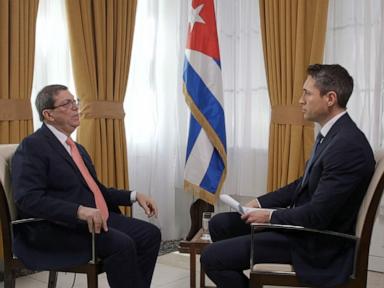
Cuba is on the edge, and the rhetoric coming out of Havana is getting darker by the minute. Recent warnings from Cuban officials suggest that the United States is pushing the island toward a "dangerous path" that could end in a massive loss of life. This isn't just the usual political posturing we've seen for sixty years. It’s a reaction to a perfect storm of economic collapse, social unrest, and a shifting geopolitical map that makes the Florida Straits look like a powderkeg.
When a high-ranking diplomat talks about a "bloodbath," you have to look at what's actually happening on the ground. Cuba's economy is currently in its worst state since the "Special Period" of the 1990s. Food is scarce. Power outages are constant. People are frustrated. The Cuban government sees US sanctions—specifically the designation of Cuba as a State Sponsor of Terrorism—as a deliberate attempt to choke the life out of the country until it explodes from within.
Why the Dangerous Path is Different This Time
For decades, the US-Cuba relationship has been a stalemate. But lately, things have shifted from a cold war to a high-pressure cooker. The Cuban government argues that Washington is actively trying to incite a civil war. They point to social media campaigns and the funding of dissident groups as proof that the goal is total destabilization.
The Cuban leadership isn't just complaining about trade. They’re claiming that by squeezing the economy to the point of failure, the US is creating the exact conditions for violent internal conflict. If the state loses control of the streets, the resulting chaos wouldn't stay on the island. It would spill over. We're talking about a humanitarian crisis that would make the 1980 Mariel boatlift look like a weekend excursion.
The Economic Chokehold and Its Consequences
The math is simple and brutal. Cuba's tourism industry hasn't recovered from the pandemic. Inflation is skyrocketing, and the local currency is basically worthless in the face of the US dollar. When people can't buy bread or medicine, they get desperate.
- Sanctions and Shipping: Because of the US embargo, shipping companies are terrified to dock in Havana. This drives up the cost of every single imported calorie.
- Energy Crisis: Cuba relies on aging power plants and shipments of oil from allies like Venezuela and Russia. When those shipments fail, the lights go out.
- Migration: In the last two years, more than 400,000 Cubans have fled to the US. That’s a massive brain drain and a sign of total loss of hope.
Washington argues that the pressure is meant to force democratic reforms. Havana argues the pressure is meant to kill. There’s no middle ground here.
The Ghost of 1959 and the Fear of Civil War
The "bloodbath" comment isn't just a random choice of words. It’s a callback to the violent history of the Cuban Revolution. The current administration in Havana knows that if the government falls through violence, the retribution against the ruling Communist Party would be swift and likely bloody.
But there's another side to this. The Cuban military, the MININT and MINFAR, is deeply embedded in the economy. They run the hotels, the gas stations, and the logistics. They aren't going to just walk away if protests turn into an uprising. This is where the risk of a bloodbath becomes real. You have a desperate population on one side and a heavily armed military with everything to lose on the other.
The Role of External Actors
Cuba isn't an island in a vacuum. Russia and China are watching this play out with great interest. Moscow has recently restarted oil shipments to the island, and there are constant rumors about Chinese electronic eavesdropping stations in Cuba.
- Russia: Sees Cuba as a useful tool to annoy the US in its own backyard.
- China: Provides credit and infrastructure, but they're also wary of pouring money into a failing state.
- The Cuban Diaspora: In Miami, there’s a split between those who want more pressure and those who worry about their families starving.
If the situation turns violent, these external players could be pulled in. That’s the "dangerous path" Havana is talking about. They're warning that a collapse in Cuba would create a regional security vacuum that no one is prepared to fill.
Misunderstandings About the US Policy Shift
Most people think US policy on Cuba is static. It’s not. Under the current administration, there have been small tweaks, like allowing more remittances and flights. But the big stuff—the terror list and the trade restrictions—remains locked in place.
The Cuban government feels betrayed. They expected a return to the Obama-era "thaw," but instead, they got a continuation of the Trump-era "maximum pressure." This sense of betrayal makes their rhetoric sharper. They feel backed into a corner, and a cornered government is a dangerous one.
The US government, meanwhile, is stuck. Lifting sanctions without getting concessions on human rights is a political non-starter in a Florida election year. So, the policy remains "stuck on high," and the pressure inside Cuba continues to build.
What Happens if the Pressure Doesn't Break
If the US stays on this path and Havana doesn't reform, we're looking at a few possible outcomes. None of them are particularly pretty.
The most likely scenario isn't a sudden revolution, but a slow, grinding decay. We’ll see more blackouts, more hunger, and a steady stream of rafts heading north. But if a spark—like a police shooting or a total food riot—ignites the island, the "bloodbath" warning could become a reality.
Cuban officials are essentially telling the world that they will fight to stay in power. They’re telling Washington that if the goal is to break the system, the system will break over the bodies of the Cuban people. It’s a grim message, but it’s one that needs to be taken seriously.
Immediate Steps for Regional Stability
Watching this situation from the outside, it's clear that the current trajectory is unsustainable. If you want to understand the real stakes, look at the Caribbean as a whole. A collapsed Cuba would destabilize the entire region.
- Monitor the Florida Straits: Increased Coast Guard presence is already happening, but it will need to scale.
- Diplomatic Backchannels: Even if official ties are strained, communication between the US and Cuban militaries is vital to prevent accidental escalations.
- Humanitarian Aid: Finding ways to get food and medicine to the Cuban people without it being siphoned off by the state is the ultimate challenge.
Pay attention to the rhetoric from the Ministry of Foreign Affairs in Havana over the next few months. If the talk of "dangerous paths" and "bloodbaths" increases, it means the internal pressure is reaching a breaking point. Don't wait for the headlines to catch up. The situation is moving faster than the policy. Watch the price of basic goods in Havana and the frequency of power outages in the provinces. Those are the real indicators of how close we are to the edge.
Stay informed by following reports from independent Cuban journalists on the ground who often bypass state media to show the reality of life in the streets. Their footage of protests and food lines tells a much more accurate story than any official press release. Prepare for a volatile summer in the Caribbean. History shows that when Cuba sneezes, the rest of the region catches a cold. This time, it looks like it might be a fever.