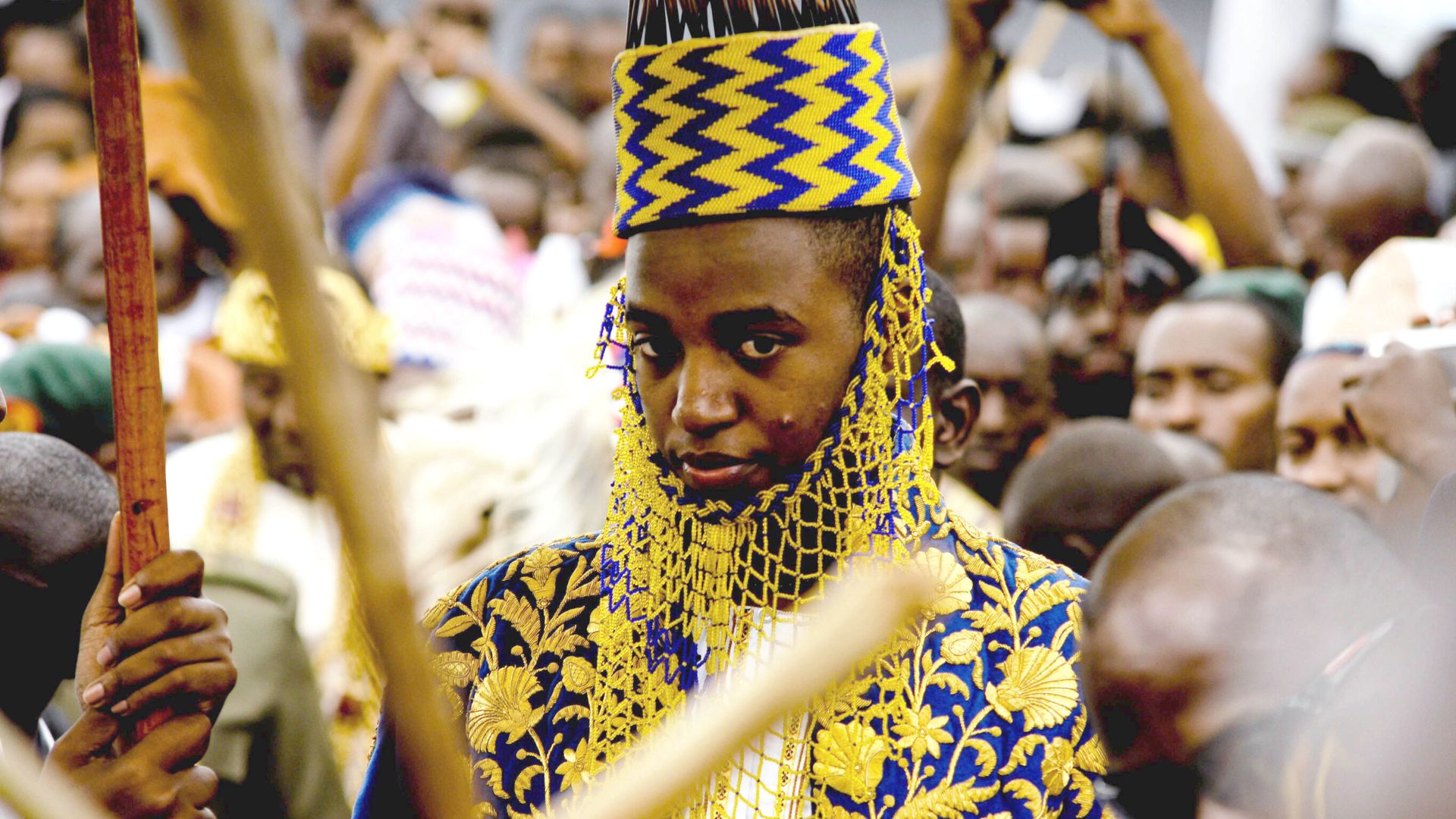
Power usually arrives with a long, gray beard. We expect it to smell of old paper, mothballs, and the heavy perfume of tradition. We expect leaders who have spent decades waiting in cold corridors, trading favors, and burying their own ambitions just to sit in a velvet chair.
Jigme Khesar Namgyel Wangchuck? No, not him. Think further back. Think of the margins of the map.
Imagine a throne carved from mountain stone and ancient pine, perched so high in the Himalayas that the air tastes thin and sharp. Now place a young man upon it. Thirty-four years. Let that number sit on your tongue for a second. Thirty-four. At an age when most people are still arguing with landlords over security deposits or figuring out how to afford dental insurance, Jigme Wangchuk—wait, let us be precise about history, let us look at the tragic brevity of absolute youth holding absolute weight—the world's youngest reigning monarch has fallen silent.
Gone. At thirty-four.
The news drops into the digital noise of our afternoons like a heavy stone into a shallow pond. We scroll past it. Another headline. Another distant name. But pause. Stop the frantic thumb-swipe.
What does it actually mean to wear a crown before your life has even had a chance to sprawl out?
To understand the gravity, you have to smell the woodsmoke of a remote Himalayan valley. You have to walk the steep, lung-bursting paths where kingdoms are measured not in gross domestic product, but in the number of hearths smoke rises from before the morning frost burns off. Monarchy in these hyper-isolated pockets is not a tabloid curiosity or an expensive tourist attraction funded by taxpayers who love pageantry. It is weather. It is the roof over your head. It is the single thread holding a fragile cultural identity together against the rushing tide of a flattened, homogenized world.
When a king dies at thirty-four, the machinery of state stutters. The machinery of human grief breaks down completely.
We have been conditioned to view absolute rulers or hereditary figureheads through a cynical lens. We picture marble halls, gold-plated spoons, and untouchable privilege. But strip away the silk garments and the ancient chants, and you find a human being trapped inside an inescapable theater.
Consider what happens next: the frantic briefings, the sudden thrusting of an even younger heir into the spotlight, the weeping widows, the counselors whispering urgent advice into ears that are still too young to understand betrayal. Power at thirty-four is not a prize. It is a sentence.
History is littered with the ghosts of young sovereigns. We romanticize them in poetry and streaming dramas. We paint portraits of glowing youths with sad eyes, staring off into middle distance, weighted down by heavy furs and iron collars. Yet we rarely talk about the sheer biological toll. The cortisol. The sleepless nights spent looking at maps of valleys that refuse to modernize fast enough to save their youth from emigration.
When a young leader dies suddenly, the shockwaves are different. They do not just disrupt politics. They trigger a deep, existential vertigo in the populace.
Think of the grandmother sitting in a stone farmhouse three days' walk from the nearest paved road. She does not read the international wire services. She learns of the death through the crackle of a battery-powered radio or the hushed voice of a neighbor. To her, the sovereign is not a politician whose approval ratings she tracks. The sovereign is the anchor of time itself. With his passing, the calendar feels broken. The seasons feel out of joint.
We try to process these events through the lens of our own modern skepticism. We ask questions about succession laws, GDP impact, and geopolitical stability. We want data points. We want comforting summaries that tell us the markets will stabilize and the treaties will hold.
The data fails us here.
The real story lives in the quiet spaces. It lives in the sudden stillness of palace courtyards where pigeons scatter over empty flagstones. It lives in the confusion of children who were told their protector was immortal, only to discover that mortality applies even to those who wear gold on their heads.
Thirty-four years.
It is an obscenely short time to occupy the center of a national imagination. Most of us are barely figuring out who we are at thirty-four. We are making mistakes, changing careers, breaking hearts, and starting over. We are allowed to fail in private. We are allowed to be foolish, messy, and unremarkable.
A monarch is granted no such margin for error. Every stumble is codified into history. Every private sorrow must be worn as public armor.
When the news broke, the initial reaction was disbelief. Not because death spares the young—we know it does not—but because youth is supposed to be the great immunity. A king at thirty-four is supposed to be the dawn. He is supposed to outlast the crises, outlive the critics, and see the century turn.
Instead, the story ends midway through the sentence.
And we are left standing on the outside of the high mountain passes, looking up at a sky that suddenly feels much larger, and much emptier, than it did an hour ago. The flags drop to half-mast. The drums beat a slow, hollow rhythm that echoes off the cliff sides.
A young man goes to sleep, and a kingdom wakes up to find that the future has arrived too early, and left too soon.