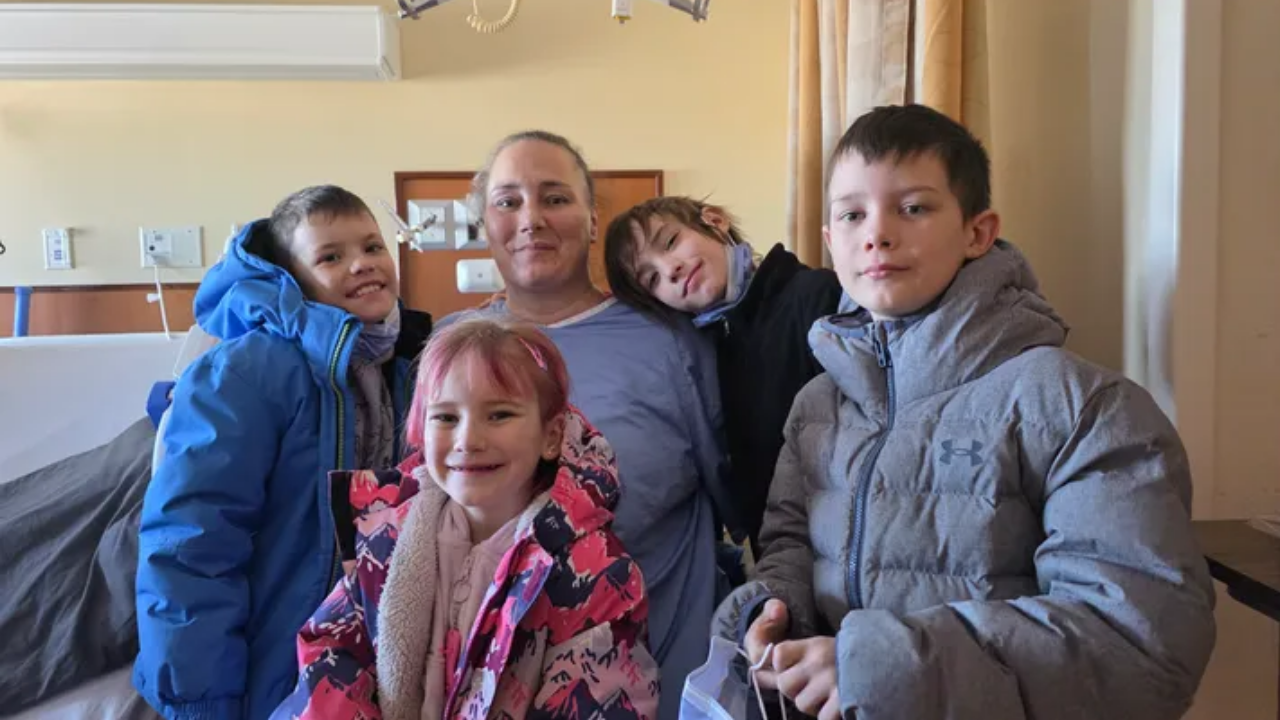
When Maryanne Mullett stepped out into the freezing slush on New Year's Day to assist victims of a violent highway crash, she never imagined the collision would lead to a seven-month hospital stay. The Ontario mother of ten suffered severe, life-altering trauma, including a shattered ankle, broken bones, and extensive pelvic injuries.
Public sympathy translated quickly into financial support. Well-wishers rallied behind her heroism, pouring nearly $19,700 into a digital crowdfunding campaign organized by a member of her own family. But instead of providing a cushion during her agonizing physical recovery, the online fundraiser morphed into a bitter administrative nightmare. Mullett ultimately received only $6,300 of the total contributions, prompting a criminal investigation and an eventual fraud charge against the organizer. Discover more on a connected issue: this related article.
This high-profile case exposes a systemic flaw in modern digital philanthropy. Crowdfunding platforms rely heavily on social trust, yet they lack structural mechanisms to protect beneficiaries when that trust collapses from within.
The Architecture of Vulnerability
The mechanics of online fundraising platforms are designed for speed and accessibility, not financial accountability. Anyone with an internet connection, an email address, and a bank routing number can spin up a campaign for a third party in minutes. More journalism by Associated Press delves into similar perspectives on the subject.
While platforms feature safety teams and fraud detection algorithms, their primary focus remains on stopping external scams, such as bad actors impersonating victims. They are poorly equipped to handle internal betrayals where the organizer is legally recognized as the campaign beneficiary or account holder.
When a family member steps forward to manage a campaign during a crisis, victims are rarely in a position to negotiate terms or establish legal oversight. Lying flat on a hospital bed with multiple surgeries ahead, Mullett faced a stark reality: she trusted a relative because institutional trauma left her no alternative. She needed someone else to handle the digital machinery while she focused on basic survival.
That structural dependence creates an asymmetrical power dynamic. The organizer controls the passwords, the bank transfers, and the narrative. Once the funds hit a private account, tracking them requires legal subpeonas, police intervention, and months of administrative friction.
The Illusion of Oversight
Public perception assumes that high-profile digital campaigns operate under strict regulatory scrutiny. They do not.
Crowdfunding sites are middlemen. They process payments, take their cut, and transfer the balance to the designated bank account. Aside from basic anti-money laundering checks, they do not audit how money is spent once disbursed. Donors operate under the assumption that their cash goes directly to the intended recipient, unaware that platform terms of service often leave the distribution entirely up to the organizer's discretion.
When discrepancies arise, victims find themselves caught in a bureaucratic void. Police departments view civil financial disputes within families with hesitation, treating them as low-priority items until public pressure or undeniable evidence forces action. Meanwhile, the platforms themselves typically point back to law enforcement or civil courts, washing their hands of the fallout once the money leaves their digital ecosystem.
Rebuilding the Model of Trust
The fallout from the Ontario case forces a hard look at how digital relief efforts are structured. Relying on good intentions and family ties is no longer a viable strategy for financial security during a crisis.
Protecting vulnerable recipients requires a shift in how these campaigns are set up. Direct payout features, where funds route automatically to verified medical bills or institutional accounts rather than personal checking accounts, should become the industry standard. Platforms must also introduce multi-signature verification processes for third-party campaigns, requiring explicit, verifiable sign-off from the actual beneficiary before large sums can be withdrawn.
Until systemic guardrails catch up to the realities of online giving, crowdfunding remains a high-risk gamble. For Maryanne Mullett, the generosity of strangers proved real, but the bridge meant to deliver it crumbled under the weight of human greed. The lesson left behind is stark. In the digital age of rapid-fire fundraising, good intentions are never a substitute for institutional controls.