Operational Risk Breakdown in Cross-Border Driving
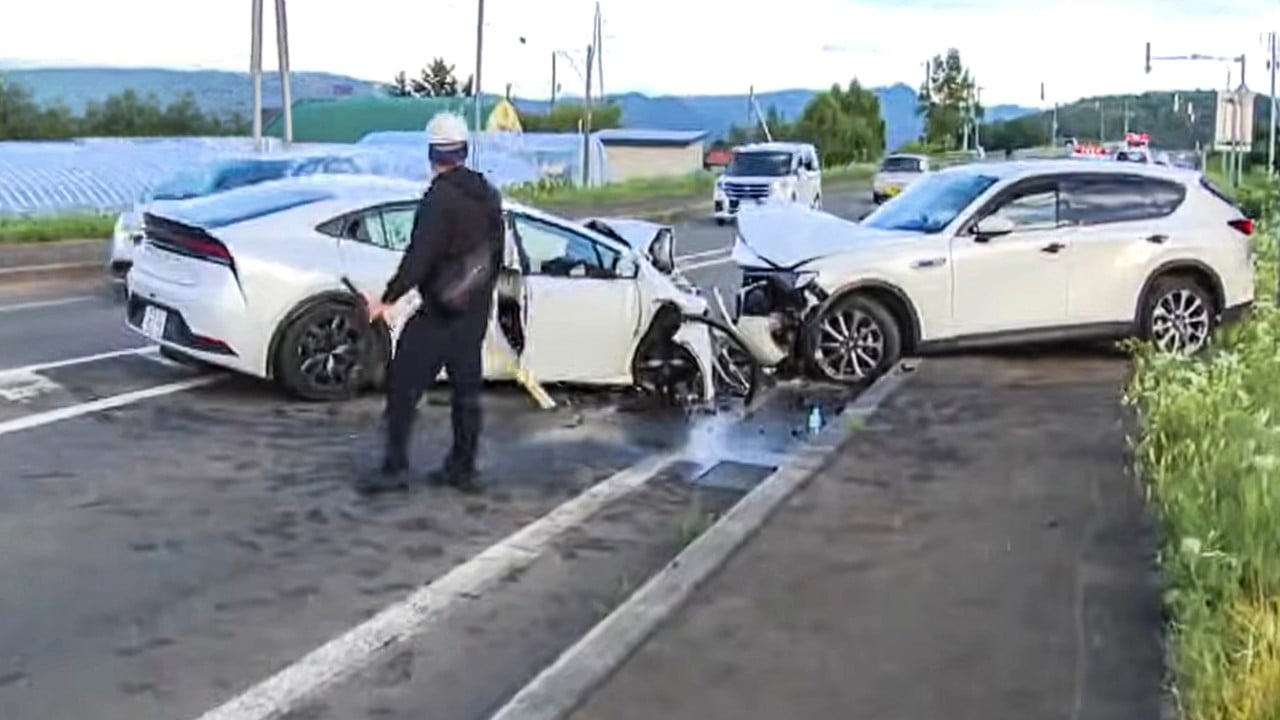
Self-drive tourism in expansive foreign jurisdictions introduces systemic operational hazards for urban drivers unaccustomed to prolonged, high-speed highway navigation. Recent fatal collisions involving Hong Kong motorists on Japanese highways reveal structural failures in driver preparation, hazard perception, and financial risk transfer.
Urban driving in densely populated, highly controlled environments like Hong Kong conditions motorists to short, low-speed, high-density traffic interactions. The average domestic trip duration rarely exceeds 45 minutes, governed by strict speed limits and dense traffic flow that forces constant micro-adjustments. Overseas routes—such as Japan’s National Route 38 or Hokkaido's rural arteries—demand continuous navigation across hours of open road. Meanwhile, you can read related developments here: Why Moving Abroad for a Tax Break is Financial Suicide.
This operational shift exposes three structural vulnerabilities in urban drivers:
- Cognitive Fatigue Escalation: High-speed, long-distance driving requires sustained macro-vigilance. Drivers accustomed to short commutes experience rapid cognitive degradation, often failing to recognize early symptoms of micro-sleep or delayed hazard response until lane drift occurs.
- Asymmetric Route Familiarity: Managing localized GPS interfaces while attempting to interpret unfamiliar signage splits visual attention. At speeds of 80 km/h, a two-second visual diversion to confirm navigation results in over 44 meters of unmonitored forward travel.
- Environment-Specific Driving Dynamics: Rural foreign highways lack the passive safety buffers of urban corridors. Factors such as two-lane bi-directional traffic, high-speed rural intersections, non-signalized crosswalks, and rapid weather shifts demand immediate, instinctive adaptations that urban drivers have not ingrained into muscle memory.
The Cognitive Load Threshold and Collision Physics
Vehicular control rests on the interaction between cognitive processing capacity and kinetic energy management. When a driver enters an unfamiliar jurisdiction, processing demands spike while physical reaction windows shrink. To understand the bigger picture, check out the recent analysis by Lonely Planet.
Total Stopping Distance = Reaction Distance + Braking Distance
Reaction Distance = Velocity × Processing Time (Cognitive Load Variable)
In a standard urban scenario, driver processing time ranges between 0.75 and 1.5 seconds. In a foreign environment, cognitive friction—caused by interpreting non-native signage, monitoring GPS, and adjusting to non-standard lane behaviors—increases processing time to 2.5 seconds or higher.
Velocity = 80 km/h (22.2 m/s)
Standard Processing Time (1.0s): Reaction Distance = 22.2 meters
Elevated Cognitive Processing Time (2.5s): Reaction Distance = 55.5 meters
This 33.3-meter discrepancy represents a critical blind zone where driver decision-making fails before mechanical braking begins.
Fatigue Physics and Micro-Sleep Latency
Driving fatigue operates as a metabolic debt function. The human nervous system maintains alertness through circadian rhythm synchronization and continuous stimulus processing. Prolonged monotonous driving on rural highways reduces sensory input, causing the brain's reticular activating system to downregulate arousal.
This transition occurs in three quantified phases:
- Phase I: Spatial Misjudgment: Subtle loss of peripheral tracking. The driver maintains lane position but reaction time to unexpected obstacles drops by 30%.
- Phase II: Micro-Fixation: Visual focus locks onto the vehicle ahead or a fixed forward point for periods exceeding three seconds. Peripheral awareness decreases significantly.
- Phase III: Micro-Sleep Incursion: Sudden, involuntary sleep episodes lasting from 1 to 15 seconds. At 80 km/h, a 3-second micro-sleep event leaves a 2.0-ton vehicle entirely uncontrolled across 66.6 meters of road, often resulting in cross-centerline collisions.
Insurance Mechanics and Financial Exposure
A critical failure in self-drive trip preparation lies in the misinterpretation of foreign rental car insurance architectures. Standard rental agreements in destinations like Japan provide baseline Third-Party Liability, but leave substantial liability gaps through deductibles, operational exclusions, and Non-Operation Charges (NOC).
| Coverage Element | Standard Rental Base Package | Premium Collision Damage Waiver (CDW) + NOC Protection | Out-of-Pocket Risk Exposure (Base) |
|---|---|---|---|
| Property Damage Liability | Up to Statutory Limit (e.g., ¥30M) | Unlimited Coverage | Excess liability beyond policy limits |
| Vehicle Damage Deductible | ¥50,000 – ¥100,000 | Zero Deductible | Full deductible amount per incident |
| Non-Operation Charge (NOC) | Not Covered (¥20,000 – ¥50,000+) | Full Indemnification | Fixed operational loss fee paid to rental agency |
| Towing and Recovery | Excluded or Capped at ¥10,000 | Fully Covered | Total cost of heavy recovery in rural zones |
| Negligence Exclusions | Applies (Invalidates Policy) | Applies (Invalidates Policy) | Total financial liability for all damages |
The Negligence Exclusion Hazard
Travelers frequently assume purchasing "Full Cover" or CDW eliminates financial liability. However, international auto insurance policies contain strict negligence exclusion clauses. Under Japanese law and standard rental policy terms, coverage is rendered entirely void under specific conditions:
- Failure to Report: Moving the vehicle or settling with the other party without an official police report (Jiko Shomeisho) invalidates all insurance claims.
- Gross Negligence: Traffic violations such as crossing solid centerlines, exceeding speed limits, or driving while fatigued can be classified as gross negligence (Shigi Over), voiding third-party and vehicle coverage.
- Unregistered Drivers: If an individual not explicitly registered as an authorized driver on the rental contract is behind the wheel during an incident, the policy yields zero coverage, transferring total civil and personal liability directly to the driver.
Strategic Pre-Trip Execution Framework
Mitigating international driving risk requires moving from passive awareness to structured risk management. Overseas self-drive logistics must follow a systematic protocol prior to engine ignition.
[Phase 1: Legal Verification] -> [Phase 2: Vehicle Telemetry Inspection] -> [Phase 3: Route Vulnerability Mapping] -> [Phase 4: In-Transit Operating Rules]
Phase 1: Legal and Insurance Verification
Verify that the International Driving Permit (IDP) corresponds precisely to the driver's domestic qualification class under the 1949 Geneva Convention on Road Traffic. Confirm that rental policies include zero-deductible CDW, NOC protection, and roadside assistance. Supplemental travel insurance must explicitly include high-limit overseas personal accident and medical repatriation coverage, as domestic health insurance typically provides zero offshore coverage.
Phase 2: Vehicle Telemetry and Mechanical Inspection
Before departing the rental depot, perform a mechanical audit:
- Tire Integrity: Inspect tread depth (minimum 1.6mm for summer; 4.0mm for winter/snow tires) and verify cold tire pressure match manufacturer recommendations.
- Brake Responsiveness: Perform a low-speed stop within the rental facility compound to verify brake pad bite and hydraulic pressure.
- Lighting and Signalling: Test low-beam, high-beam, hazards, and indicator signals. Confirm headlight alignment for nighttime visibility on unlit rural routes.
Phase 3: Route Vulnerability Mapping
Divide long-distance routes into maximum 90-minute operational segments. Identify pre-designated rest areas (Michi-no-Eki or highway service areas) along the route before departure. Do not rely on dynamic, on-the-fly rest decisions, as cognitive fatigue impairs self-assessment capabilities once onset occurs.
Phase 4: In-Transit Operational Protocol
Establish a strict cockpit environment policy:
- Navigation Isolation: Assign navigation duties entirely to a designated front-seat passenger or set GPS destinations exclusively while parked.
- Active Fatigue Management: Rotate drivers every 90 to 120 minutes regardless of perceived energy levels. If solo driving, enforce a mandatory 20-minute physical rest stop every 90 minutes.
- Speed Deficit Margin: Drive 5 to 10 km/h below posted limits on unfamiliar rural highways to preserve visual processing bandwidth and maintain an expanded stopping buffer.
Implement the four-phase protocol prior to vehicle departure: execute legal validation first, complete mechanical inspection second, pre-map rest stops third, and enforce driver rotation rules throughout the route.