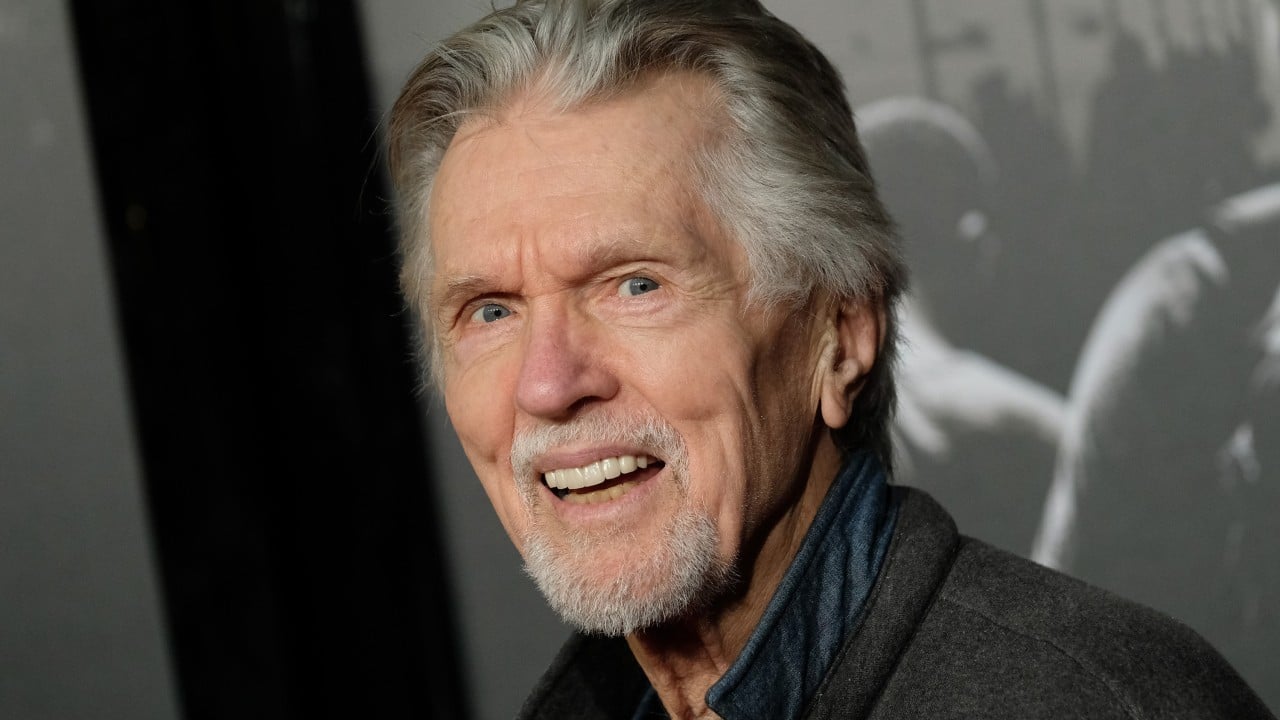
Reluctance is the new vanity. That is the real story behind Today co-anchor Craig Melvin accepting one of People magazine’s Sexiest Man honors while acting as though someone just handed him a subpoena instead of a glossy editorial nod.
Standard entertainment coverage treats this moment like a charming quirk. The earnest newsman who prefers family dinners, sports talk, and quiet domesticity gets swept up in the glitz of Hollywood-adjacent accolades, protests a little, laughs a little, and plays the good sport. Cute. Predictable. Completely hollow.
When you actually watch how morning television builds and monetizes trust, a reluctant heartthrob crown is not a contradiction. It is a calculated positioning move. Morning shows sell comfort, familiarity, and moral steadiness to people eating toast before work. Overt vanity ruins that pitch. Feigned reluctance protects it.
I have watched media brands spend fortunes trying to engineer "relatable" talent while accidentally turning them into walking press releases. Audiences smell the artifice faster than network executives ever admit. Still, give the machine credit where credit is due: framing an anchor as an accidental sex symbol lets the network harvest the vanity metrics of glamour without paying the credibility tax of looking thirsty.
The Lazy Consensus Around "Reluctant" Fame
The lazy consensus in pop culture reporting is simple: if a public figure says they feel awkward about being called sexy, they must actually be humble. When someone with a broadcast career as polished as Craig Melvin leans into sheepishness over a People superlative, commentators read it as proof of character.
Humility is a behavior, not a press reaction. Real humility does not need a camera crew or a studio banter segment to prove it exists.
In television, sheepishness works like an escape hatch. If the public loves the attention, the network keeps the clips circulating across social feeds. If critics roll their eyes at another magazine tie-in, the anchor gets to shrug as if the whole thing happened by accident. Everyone gets plausible deniability.
Consider a thought experiment. Imagine a scenario where a morning anchor accepts a People honor with total, unapologetic confidence—no awkward throat-clearing, no self-deprecating jokes about dad bods or graying temples, just a calm acknowledgment that they look sharp and work hard. Half the morning-show audience would squirm. Why? Because morning TV trades in parasocial intimacy, and intimacy feels safer when the person on screen pretends they are just like you—only with better lighting, a stylist, and a seven-figure contract.
Calling that reluctance "authenticity" mistakes a well-oiled broadcast persona for unvarnished truth.
Why People Also Ask the Wrong Questions About Sexiest Man Honors
Search behavior around stories like this follows a remarkably predictable script. Readers type questions into search bars assuming the magazine crown itself is the main event.
They ask things like:
- Why would a news anchor be named one of People’s sexiest men?
- Does Craig Melvin actually care about People’s Sexiest Man list?
- How do morning show hosts get picked for People honors?
- What does being on a People list do for a TV anchor’s career?
Every one of those questions misses the mechanics underneath.
"Why would a news anchor be named one of People’s sexiest men?"
Because the boundary between hard news and lifestyle inventory vanished years ago. Morning shows have always blended headlines with cooking segments, celebrity interviews, and seasonal gift guides. Placing a recognizable anchor inside a glamour franchise bridges two audiences at once: viewers who tune in for current events and readers who treat celebrity superlatives as light entertainment.
More importantly, morning anchors are evaluated on likability and trust. Attractiveness in that ecosystem is rarely framed as raw red-carpet heat. It is framed as warmth, dependability, and approachability. A news anchor fits that mold precisely because their job already requires projecting calm authority into people's living rooms five mornings a week.
"Does he actually care about the list?"
Whether an anchor cares privately is irrelevant. How they perform caring—or not caring—is what matters professionally.
In media strategy, caring too much looks desperate, especially in broadcast journalism where gravitas is currency. Caring too little looks ungrateful to a corporate sibling or major pop-culture brand. Playing the reluctant good sport threads the needle. It signals that your real priorities are serious work and family, while still letting you play along for a few fun minutes on air.
"How do hosts get picked, and what does it do for their career?"
Let’s be brutally honest about how legacy celebrity franchises operate. These lists are editorial ecosystems shaped by visibility, momentum, network relationships, and cultural timing. If a personality is already sitting in a high-profile chair with steady audience recognition, including them serves a clear purpose: it broadens the appeal of the feature beyond traditional film and music stars.
Career-wise, a People honor rarely transforms a seasoned journalist overnight. Nobody changes their view of a serious interview because of a magazine superlative. What it does is add a shiny layer of cross-platform awareness. It gives clips extra legs on social media, keeps the talent top-of-mind with advertisers, and reinforces the image of a well-rounded public figure.
| Narrative Angle | What It Claims | What It Actually Does | Main Vulnerability |
|---|---|---|---|
| "Reluctant heartthrob" | Shows genuine humility and down-to-earth charm | Protects credibility while still capturing glamour buzz | Can feel rehearsed if overplayed across segments |
| "Serious newsman" | Prioritizes journalistic weight over pop fluff | Anchors authority and viewer trust | Risks seeming stiff or out of touch in lighter moments |
| "Lifestyle star" | Leans into entertainment and broad appeal | Expands social reach and cross-promotion value | Can dilute perceived seriousness during major news cycles |
The Mechanics of Morning TV Charisma
To understand why a moment like this lands the way it does, you have to separate physical appearance from broadcast presence. Television flattens nuance, exaggerates posture, and magnifies micro-expressions. A person does not have to look like a movie star to command a morning broadcast; they have to look like someone you would trust to watch your house while you are out of town.
Broadcast historians and media critics—from industry watchers like Brian Stelter to television analysts examining network morning wars—have long pointed out that morning television is built on routine and relational trust. Viewers develop habits around familiar faces. Over time, familiarity curdles into affection, and affection easily gets dressed up in whatever flattering label pop culture happens to be handing out that week.
There is a real catch to this strategy, though, and honesty demands naming the downside. Lean too hard into lifestyle fluff or playful vanity, and even a loyal audience can start questioning where the newsroom ends and the entertainment machine begins. Once viewers feel they are watching a variety show disguised as a news broadcast, hard-won credibility erodes.
I have seen talent and producers misread that line repeatedly. Some assume any attention is good attention. Sometimes it is. Other times, chasing light pop-culture validation chips away at the exact seriousness that made the person valuable in the first place.
How to Read Pop-Culture Honors Without Getting Played
If you consume entertainment and media news for a living—or simply want sharper media literacy—stop taking celebrity superlatives at face value. A magazine honor is a snapshot of positioning, not an objective truth about attractiveness or character.
Start by checking who benefits from the framing. When a broadcast personality reacts with sheepishness to a glamour nod, ask what image that reaction protects. Usually, it protects relatability. It tells the audience, "I'm in on the joke too, and I don't take this nonsense seriously."
Next, watch the follow-through. A single lighthearted segment or interview quote is harmless fun. Turning reluctance into a recurring brand motif, on the other hand, is a script. Look at how the network packages the moment across clips, headlines, and social posts. That packaging reveals the real strategic goal: keeping a familiar face fresh in the cultural conversation without risking the core identity that keeps viewers coming back.
Finally, apply a simple test to any celebrity reaction piece you read. If a headline leans heavily on words like "reluctant," "humble," or "surprised," ask yourself whether that reaction is actually spontaneous—or whether it is the smartest possible PR posture for the job they hold.
Stop mistaking staged modesty for accidental greatness. Watch the positioning, spot the incentives, and judge the work on the screen instead of the crown on the cover.