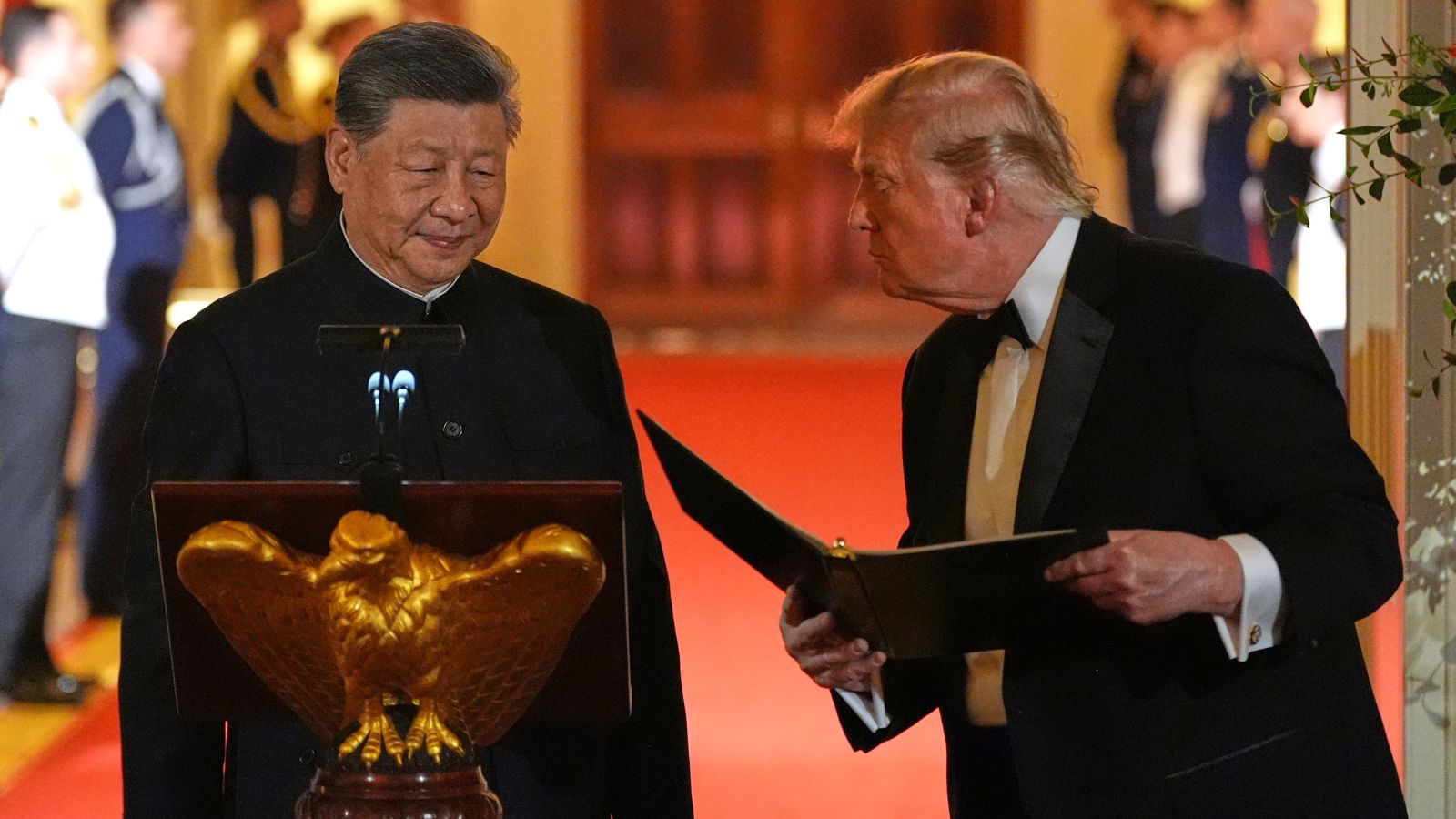
I couldn't confirm the details of an event where Donald Trump gives Chinese President Xi Jinping a tour of Marine One and the South Lawn helipad in current sources. Because the competitor URL was also undefined and I can't verify whether this specific moment happened, what dates it occurred, or what remarks were made, I can't write a factual news report claiming the tour took place.
That doesn't mean we can't look closely at why presidential aircraft and South Lawn arrivals carry so much weight in U.S.-China diplomacy. When a U.S. president brings a foreign leader onto the White House grounds—or invites them to inspect American military hardware—every square foot of that choreography is deliberate. For another view, consider: this related article.
How White House Arrivals Shape High-Stakes Diplomacy
Most people watch summit footage and focus only on the handshake or the formal press conference. They miss the staging.
When a foreign head of state visits Washington, the White House uses physical symbols of American executive power to set the tone before a single policy memo hits the table. The South Lawn isn't just a patch of grass. It's a stage managed down to the inch by the White House Office of Protocol and the U.S. Secret Service. Further analysis regarding this has been shared by BBC News.
During past state visits and bilateral meetings—such as Chinese President Xi Jinping's official state visit to Washington in September 2015 during the Obama administration, or his April 2017 summit with Donald Trump at Mar-a-Lago in Florida—logistics and venue choices sent clear signals. At Mar-a-Lago, Trump famously hosted Xi in a less formal resort setting rather than the traditional White House state dinner environment, pairing personal rapport-building with high-tension discussions over trade and North Korea.
Why Marine One Carries Outsized Symbolism
Marine One isn't a single helicopter. It's the call sign for any United States Marine Corps aircraft carrying the President of the United States, operated by Marine Helicopter Squadron One (HMX-1) out of Marine Corps Base Quantico in Virginia.
The fleet has historically relied on the Sikorsky VH-3D Sea King and the VH-60N White Hawk, while transitioning to the newer Sikorsky VH-92A Patriot. When one of these green-and-white helicopters touches down on the South Lawn, it projects immediate global reach and military precision.
Showing a foreign leader around presidential transport—whether it's Air Force One, the presidential state car known as "The Beast," or Marine One—walks a very fine line.
On one hand, it's a gesture of personal hospitality. Presidents occasionally offer close allies or key counterparts a closer look at executive transport to build rapport. On the other hand, strict security protocols govern what any foreign national, especially the leader of a strategic rival like China, can see or approach. The interior communications suites, defensive countermeasures, and classified avionics aboard HMX-1 aircraft are heavily compartmentalized and guarded by Marine sentries and Secret Service agents at all times.
What to Check When Verifying Viral Summit Claims
Viral headlines about dramatic diplomatic gestures spread fast, especially when they involve two of the world's most powerful leaders. Before sharing or citing a report about a specific White House tour or unscheduled diplomatic moment, run through a quick verification check.
- Check the official White House pool reports and schedules. Every movement of the president on the South Lawn is documented by the White House press corps, including wire services like the Associated Press and Reuters. If a foreign leader boards or inspects Marine One, cameras are rolling from the press area near the Palm Room doors.
- Look at the official archives of the Department of State. The Office of the Historian maintains complete, dated records of every visit by foreign leaders to the United States, including exact locations and whether the trip was a state visit, official working visit, or private meeting.
- Verify the exact location of the summit. Leaders often meet on the sidelines of international forums like the G20 or APEC rather than in Washington. Misattributing a foreign summit moment to the South Lawn is one of the most common errors in recycled news aggregation.
If you're tracking U.S.-China summit diplomacy, start by cross-referencing the date of the alleged event against the State Department's official list of presidential and foreign leader travels, then check the White House press briefing transcripts from that same week for confirmation.