Cameras click. Flashes pop in the dark like sudden lightning strikes, cutting through the damp London air. For most, it is a spectacle consumed over morning toast or scrolled past on a glowing screen during a crowded commute. But behind every telephoto lens and every frantic headline lies a machinery of relentless observation, a grinding apparatus that demands human lives as its fuel.
History repeats itself, wearing different clothes. Also making waves recently: The Long Shadow of Althorp.
Decades ago, another young mother found herself trapped in the relentless crosshairs of public curiosity. The lenses followed her down streets, into quiet retreats, and through the agonizing moments of a life lived entirely in public view. The tragic end of that story is etched into the collective memory of a generation. Yet, the apparatus did not dismantle itself. It merely adapted, sharpening its tools for a new era.
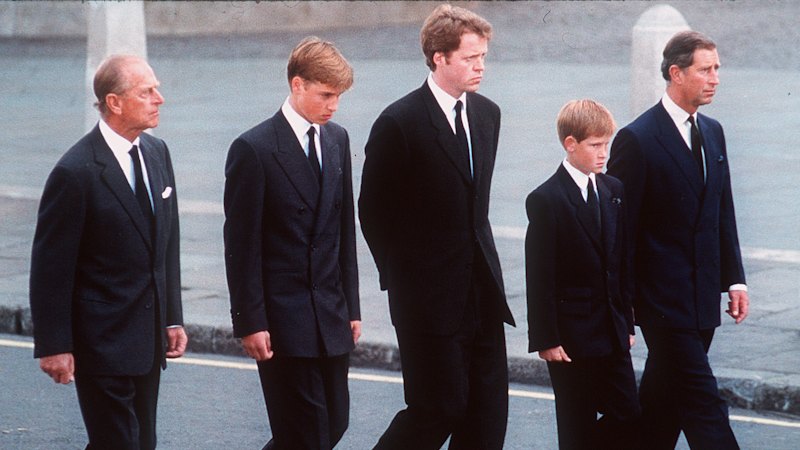
Charles Spencer knows this machinery intimately. As the brother of Diana, he carries a legacy forged in the fires of media intrusion. When he speaks about the forces shaping the lives of Prince Harry and Meghan Markle, his words are not mere commentary. They are a warning from someone who watched the storm close up. He recently pointed to what he described as a cancerous influence, drawing a straight, unbroken line between past tragedies and present realities. Further details into this topic are explored by Bloomberg.
Consider what happens to a person when every movement is monetized.
Imagine waking up to the hum of drones overhead or knowing that a casual walk in the park could be intercepted, parsed, and sensationalized by evening. This is not just fame. It is a state of perpetual siege. The human brain is simply not wired to process constant, global surveillance. Fear becomes a roommate. Paranoia becomes a survival tactic.
People often ask why public figures cannot simply ignore the noise. The answer lies in the sheer scale of the digital ecosystem. Every click generates revenue. Every outrage fuels an algorithm. It is a self-sustaining cycle that rewards intrusion and punishes peace. When Earl Spencer talks about the toxic environment surrounding his nephew and the Duchess of Sussex, he is highlighting a systemic failure. The appetite for sensationalism has outgrown our collective empathy.
We consume the drama, forgetting there are beating hearts behind the glossy magazine covers.
The parallels are haunting. Harry watched his mother pursued to the very edge, and now he watches his own family navigate a frighteningly similar gauntlet. The decision to step back from royal duties and relocate across the Atlantic was not taken lightly. It was an act of preservation. It was an attempt to break a generational curse written in flashbulbs and whispered rumors.
Yet, distance offers no absolute immunity. The digital age collapses miles into milliseconds. Headlines cross oceans instantly, and the commentary machine grinds on without pause. The battle has simply shifted arenas, moving from physical street corners to algorithmic feeds and comment sections designed to provoke maximum emotional friction.
True empathy requires us to pause and look past the spectacle. It asks us to recognize that curiosity ceases to be harmless the moment it compromises someone's safety and mental well-being. The culture of relentless observation affects everyone, normalizing an intrusive standard where privacy is viewed as a luxury rather than a fundamental human right.
The cameras will keep rolling. The headlines will continue to demand attention. But the real choice rests with those who consume the stories. Every click is a vote for the type of world we wish to inhabit.
Silence falls over the empty street after the last flash fades. The shadows lengthen.