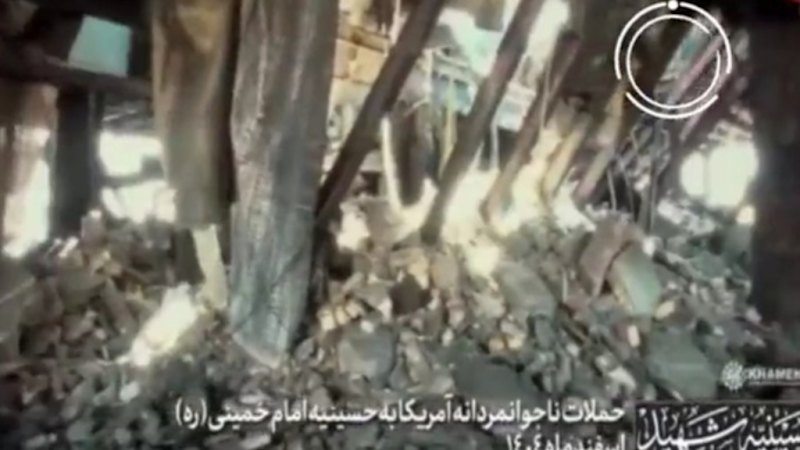
The white, pulverized concrete of the Imam Khomeini Grand Hosseiniyeh inside the Supreme Leader’s compound tells a story that state media cameras tried to hide for months. For the first time since the devastating joint US-Israeli airstrikes on February 28, Iranian authorities released unedited footage of the structural ruins where Ayatollah Ali Khamenei was killed. The timing isn't accidental. It dropped right as millions of mourners packed the streets of Tehran and Qom for a massive, multi-city funeral procession heading toward his final resting place in Mashhad.
If you think this footage is just about shared grief, you're missing the real geopolitical play. Showing the raw, hollowed-out shell of what was once the most guarded nerve center in Iran is a deliberate calculated gamble by a fractured leadership structure trying to maintain control.
The Shock Wave of the February 28 Strikes
When the bombs dropped back in February, initial satellite images confirmed extensive damage across the sprawling leadership compound in central Tehran. But seeing satellite data is nothing like seeing the ground reality. The strikes didn't just assassinate the 86-year-old Supreme Leader. They wiped out an entire command tier, including four members of Khamenei's immediate family and his 14-month-old granddaughter, Zahra Mohammadi Golpayegani.
Ground reports emerging from the heavily cordoned site reveal that the operation was massive. Multiple ordnance hits converted the iconic white administrative and residential buildings into unstable, ramshackle shells. The compound served as both a home and a fortified bureaucratic hub. The sheer volume of tactical destruction explains why the Iranian regime kept the area completely dark for nearly five months while navigating a shaky, short-lived ceasefire.
A Weaponized Rubble to Fuel Regional Defiance
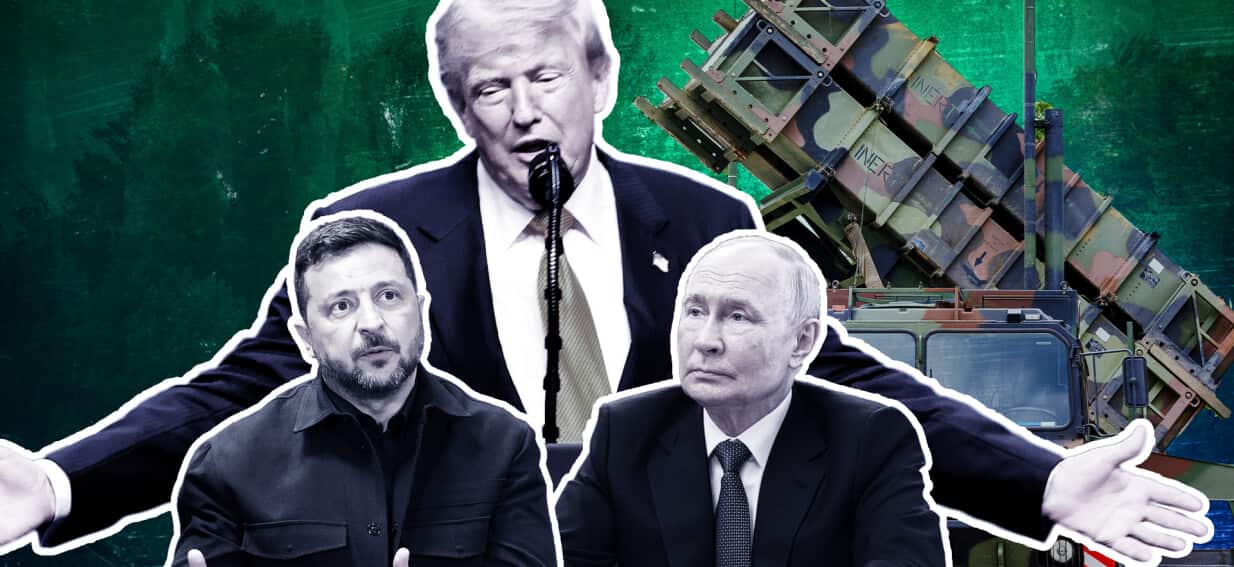
By showcasing the devastation now, Iran is leveraging the physical aftermath of the strike as a political tool. The country is currently in a high-stakes transition period. The interim ceasefire signed in April is completely unravelling. President Donald Trump announced from a NATO summit in Turkey that the agreement is over, calling Iranian leadership "scum" after recent drone attacks on commercial tankers in the Strait of Hormuz.
In response, US Central Command launched heavy retaliatory strikes against eighty targets in southern Iran, hitting port cities like Bandar Abbas, Sirik, and assets on Qeshm Island. The IRGC retaliated immediately, firing projectiles toward US assets in Bahrain, Kuwait, and Qatar.
By opening a window into the destroyed compound of the slain leader during this exact flashpoint, the state is sending a clear message to its base. It's using the ruins to justify its aggressive return to conflict in the shipping lanes. The rubble has become a monument designed to transform deep public grief into a unified demand for revenge. Banners reading "Kill Trump" line the funeral route for a reason. The regime needs a visible, visceral reminder of why they are fighting, especially as the economic toll of the conflict worsens.
The Silence of Mojtaba Khamenei
While the state uses the physical ruins to drum up public fury, the real crisis is happening behind closed doors. The elite are deeply divided over what happens next. On one side, President Masoud Pezeshkian and Foreign Minister Abbas Araghchi face intense condemnation from ultra-hardliners who have openly labeled them traitors for engaging in the April peace talks.
On the other side is the giant elephant in the room: Mojtaba Khamenei, the late leader's son and designated successor.
Mojtaba has been a ghost since the February 28 attack. Reportedly seriously injured in the very same strikes that killed his father, he has completely avoided the public eye. He hasn't appeared at the massive funeral processions. Instead, he communicates entirely through written statements. His latest messages offer a contradictory mix of doubt regarding negotiations with the US, while subtly hinting that diplomatic backchannels shouldn't be completely closed.
This total lack of a visible, authoritative figurehead at the center of the regime creates a massive power vacuum. The physical destruction of the leader’s office mirrors the internal collapse of the decision-making apparatus. Local hardliners want total escalation in the Persian Gulf, while more pragmatic factions know the country can't sustain a protracted, multi-front war with the US and Israel without its primary commander at the helm.
What This Means for Global Security
Don't expect the tensions in the Strait of Hormuz to cool down anytime soon. The US military has already rescinded the 60-day oil sanctions waivers that were keeping the Iranian economy afloat under the April Memorandum of Understanding. With the naval blockade back in place, Iran has very little left to lose economically.
The image of the ruined compound will continue to serve as the regime's primary propaganda tool to keep its domestic population compliant as inflation spikes and military casualties mount. For international observers, the state of the compound is a stark warning. The old command structure is gone, replaced by an unpredictable, highly volatile council of competing factions trying to prove who can strike back harder.
Watch the shipping lanes over the coming days. If the rhetoric coming out of the final burial ceremonies in Mashhad is any indication, the destruction of Ali Khamenei's office wasn't the end of a chapter. It was the prologue to a much larger, more dangerous regional escalation.