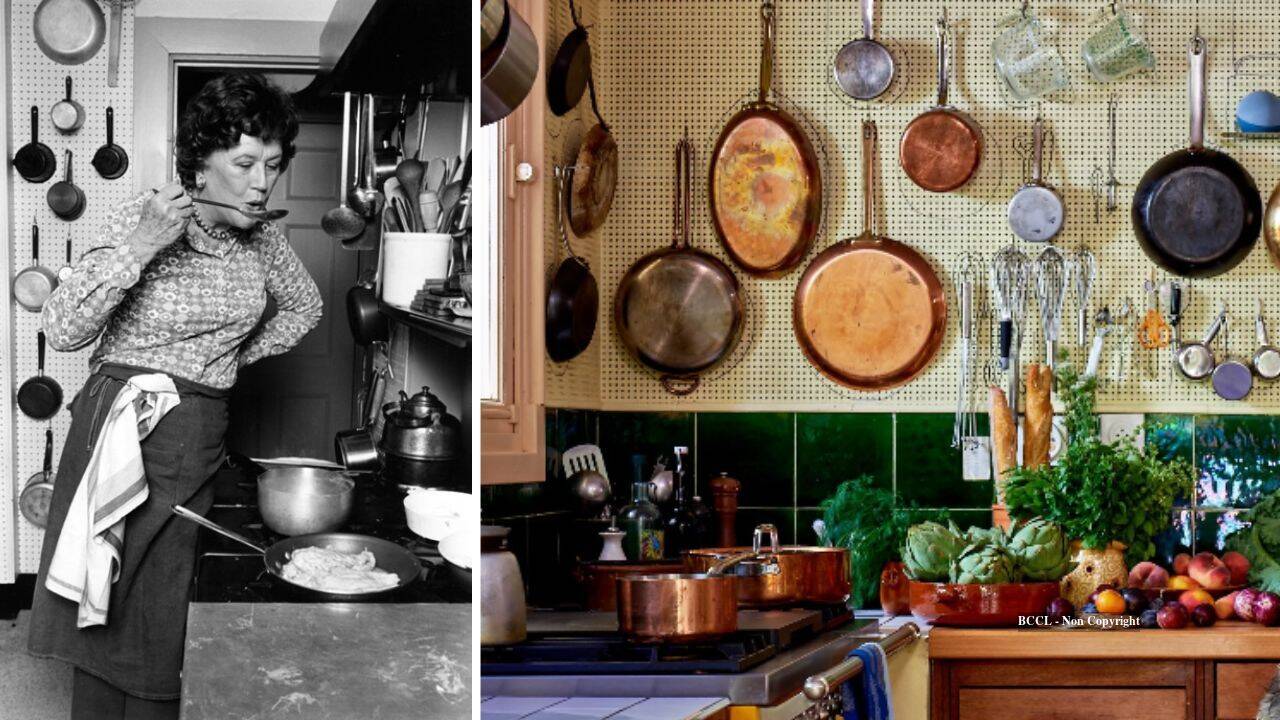
You can actually stand in the exact room where Mastering the Art of French Cooking met its spiritual home. You can chop shallots on the counter, fire up the heavy-duty range, and smell the rosemary blowing off the southern hills.
For decades, Julia Child’s former home in Provence remained a private sanctuary. It was tucked away in the sleepy village of Plascassier, far from the flash of Cannes or the tourist crowds choking Nice. Today, that legendary retreat operates as La Pitchounette, functioning as an intimate culinary haven where travelers book week-long sessions to cook in her original kitchen.
If you grew up watching her clatter copper pots on public television, stepping through that wooden front door feels less like visiting a museum and more like walking onto a film set where the cameras left yesterday.
The Real Story Behind La Pitchounette
Most people think Julia owned the entire estate in the hills above Grasse. She didn't. She and her husband, Paul Child, built a charming cottage on land leased from close friends, Americans Avis and Perry DeVoto. They called the property La Pitchounene, which translates roughly to "the little one," though friends quickly shortened it to La Pitchoune.
Paul designed the kitchen himself. He drew inspiration from professional spaces, raising the countertops several inches higher than standard French cabinetry because Julia stood over six feet tall. He also painted a pegboard on the wall, outlining every single pot, pan, and spatula with thick black marker so nothing ever got lost.
When Julia and Paul sold their rights to the property in the early nineties, the kitchen stayed intact. Generations of owners came and went, but the pegboard remained. The stove stayed. The rustic tile floor absorbed decades of spilled wine, heavy butter, and bubbling stocks.
What a Cooking Week There Looks Like Today
Booking a spot isn't like signing up for a massive commercial culinary institute with fifty stations and stainless steel conveyor belts. You're sharing a remarkably intimate space. Classes cap out at a handful of students because the kitchen simply cannot fit twelve aggressive home cooks at once.
You wake up early in the morning to walk through local markets in the Maritime Alps. You pick out seasonal produce, fresh goat cheese from local shepherds, and seafood hauled straight up from the Mediterranean coast.
Back at the house, instruction centers around classical French technique without the stuffy attitude. You learn how to sweat onions without browning them, how to break down a whole chicken cleanly, and why proper pan sauce reduction requires patience over high heat.
The atmosphere carries a distinct lack of pretension. Julia hated snobbery in the kitchen. She dropped roast chickens on the floor and picked them right back up. That same spirit guides the current teaching style. If your pastry dough tears, you patch it together and bake it anyway.
Why This Experience Beats Standard Cooking Vacations
Plenty of cookie-cutter culinary tours pop up across Tuscany and Provence every spring. They herd tourists into oversized villas with modern commercial setups that look like a corporate hotel kitchen.
La Pitchoune offers something completely different. It's a pilgrimage.
You cook on appliances that forced culinary history to pivot. The space is tight, slightly creaky, and intensely personal. When you flip an omelet under the exact copper hood where Julia perfected her technique for the revised editions of her books, you connect with culinary history in a visceral way.
You also get to eat your mistakes and your triumphs out on the stone patio overlooking the olive groves. Paired with local rosé from Bandol, the meals stretch across hours.
Practical Advice for Booking Your Stay
Getting a spot requires patience. Because capacity is intentionally small to preserve the historic integrity of the cottage, waiting lists stretch months out.
Don't treat this as a luxury resort getaway. The bedrooms are charming and comfortable, but the magic happens entirely around food and shared work. Plan to rent a car because public transit won't drop you at the front gate in Plascassier. You need a vehicle to haul your market baskets back up the winding hill roads anyway.
Pack comfortable shoes with rubber soles. You'll stand on hard tile for hours at a time, just like Julia did for decades. Bring an open mind, an appetite for garlic, and zero fear of butter.