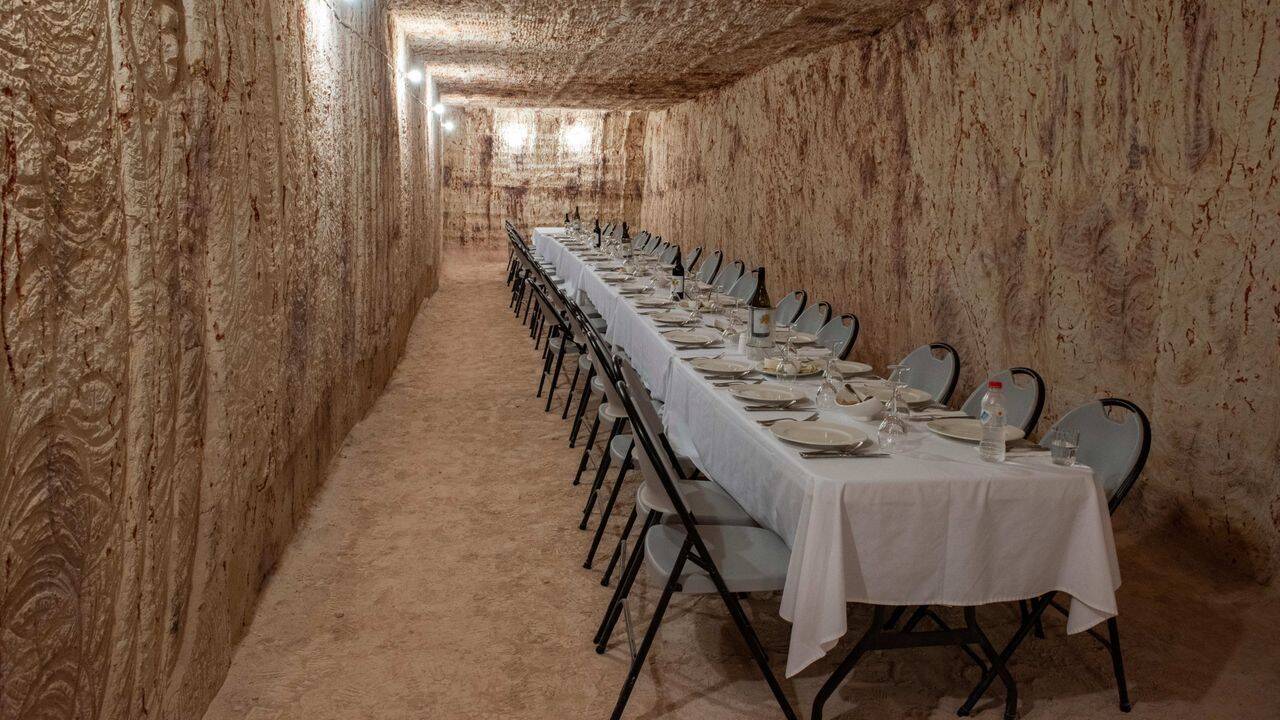
Everyone loves the romanticized narrative of Coober Pedy. You have seen the photos. Dusty opal miners living in subterranean caves, blissfully ignoring the blistering Australian sun. Travel bloggers and mainstream media sell it as an ingenious solution to climate anxiety, a blueprint for humanity to burrow away from a warming planet.
They are lying to you. If you found value in this article, you might want to check out: this related article.
The reality of life in this South Australian outpost is not a whimsical escape into the cool earth. It is an exercise in isolation, extreme maintenance, and economic stagnation. If you think building your house into a hillside is the answer to the climate crisis, you have already lost the plot.
The Myth Of The Subterranean Utopia
The popular story goes like this: It gets hot, so we dig down. The earth stays a constant temperature, meaning free air conditioning. Simple, right? For another angle on this development, refer to the latest coverage from Travel + Leisure.
Wrong.
The thermal mass of the earth is not a magic thermostat. It is a massive heat sink that requires constant active management to be habitable. If you dig a hole, you do not get a climate-controlled bunker. You get a tomb that collects humidity, stagnant air, and enough Radon gas to make your oncologist very happy.
I have spent time in the opal fields. I have talked to the people who actually live in these dugouts. They are not climate-conscious innovators; they are people who were priced out of traditional housing and stuck in a dying industry. The cost of excavating a room that is actually structural, safe, and ventilated is astronomical. You cannot just pick up a shovel and carve out a master bedroom. You need specialized tunneling equipment, structural engineering, and a constant battle against the shifting geological pressure of the Outback.
The Maintenance Nightmare
Let us talk about the infrastructure. When you live in a concrete box on the surface, you have windows, airflow, and sunlight. When you live in a dugout, you have one point of entry.
Imagine a scenario where the power grid fails for forty-eight hours in the middle of summer. Surface houses in the desert are tough, but they eventually vent. Your dugout? It becomes a pressure cooker of trapped heat and rising humidity. Your walls—which are literal rock—begin to sweat. If your ventilation system dies, you are not just uncomfortable; you are suffocating in a damp, dark hole.
Most people praising this lifestyle have never had to deal with the constant moisture control required to stop a cave from becoming a mold factory. You are fighting physics every single day. The cost of maintaining a "sustainable" underground home in Coober Pedy often exceeds the cost of a high-efficiency passive house on the surface in a temperate climate.
The Economic Dead End
Look at the town. It is a monument to a resource boom that peaked decades ago. The population is stagnant. The primary industry—opal mining—is volatile and environmentally destructive.
People flock there because they want to feel like they are living "off the grid," but they are essentially tethered to a failing local economy. There is no scalability here. You cannot scale a town that requires specialized digging just to add a bathroom. The regulatory nightmare of building codes, land rights, and mining claims makes it an impossible model for mass adoption.
If you are looking for a place to live, Coober Pedy is a curiosity, not a solution. It is a place where you go to work for yourself because no one else is hiring. You are trading your freedom for the privilege of living in a hole that you are legally forbidden from modifying in half of the town because of active mining claims.
Why The Narrative Persists
The media sells this because it looks cool on Instagram. They love the aesthetic of the "cave man" living in a modern, quirky room with an opal display. It is exotic. It fits the narrative that "we can just adapt to whatever the planet throws at us" without changing our consumption patterns.
But look at the engineering reality. Architects and structural engineers will tell you, if they are being honest, that building underground is the most resource-intensive way to construct a home. You are moving thousands of tons of dirt. You are using massive amounts of concrete for retaining walls. You are creating a structure that is nearly impossible to renovate when your family size changes or your needs shift.
Stop fetishizing the hole
If you want to be truly resilient, you do not go underground. You build for flexibility. You focus on thermal envelope efficiency, modular design, and grid independence. You do not move to a desert town to wait for the heat to pass while trapped in a rock wall.
Coober Pedy remains what it has always been: a desperate place for desperate times, built by miners who had no other choice. It is not an evolution of human living. It is a relic of a frontier mentality that died a long time ago.
Stop looking at the earth as a place to hide. Start looking at how to build on it without needing to be saved by a cave. You are not a badger, and you are not built to live in the dark.
Get out of the dirt and start building something that actually functions.