The Democratic Republic of Congo is fighting another Ebola outbreak. Health officials are scrambling. Borders are tightening. Headlines sound identical to the ones we read two, five, or ten years ago. If you feel like you have seen this movie before, that is because you have.
Every time Ebola flares up in the DRC, the global response follows a predictable script. International agencies promise swift intervention. Local authorities set up isolation zones. Yet, the virus spreads anyway. Why? Because the strategy relies on a fundamental misunderstanding of the region. Containing Ebola is not just a medical challenge. It is a trust challenge, a infrastructure challenge, and a political challenge. Until the response strategy changes, the cycle will not break. Meanwhile, you can explore related events here: The Sound of a Door Closing in Mangina.
The Reality of Managing Ebola in a Conflict Zone
You cannot fight a virus if you cannot safely reach the patients. This is the biggest blind spot in traditional health response frameworks. The eastern regions of the DRC, particularly North Kivu and Ituri, are home to dozens of active armed rebel groups.
Imagine trying to track down everyone who interacted with a feverish patient while dodging crossfire. It does not work. During previous major outbreaks, like the massive 2018 to 2020 epidemic, violence directly disrupted treatment. Rebels attacked health centers. Armed groups targeted medical staff. When health workers spend half their day managing security logistics, contact tracing falls apart. To understand the complete picture, check out the excellent analysis by CDC.
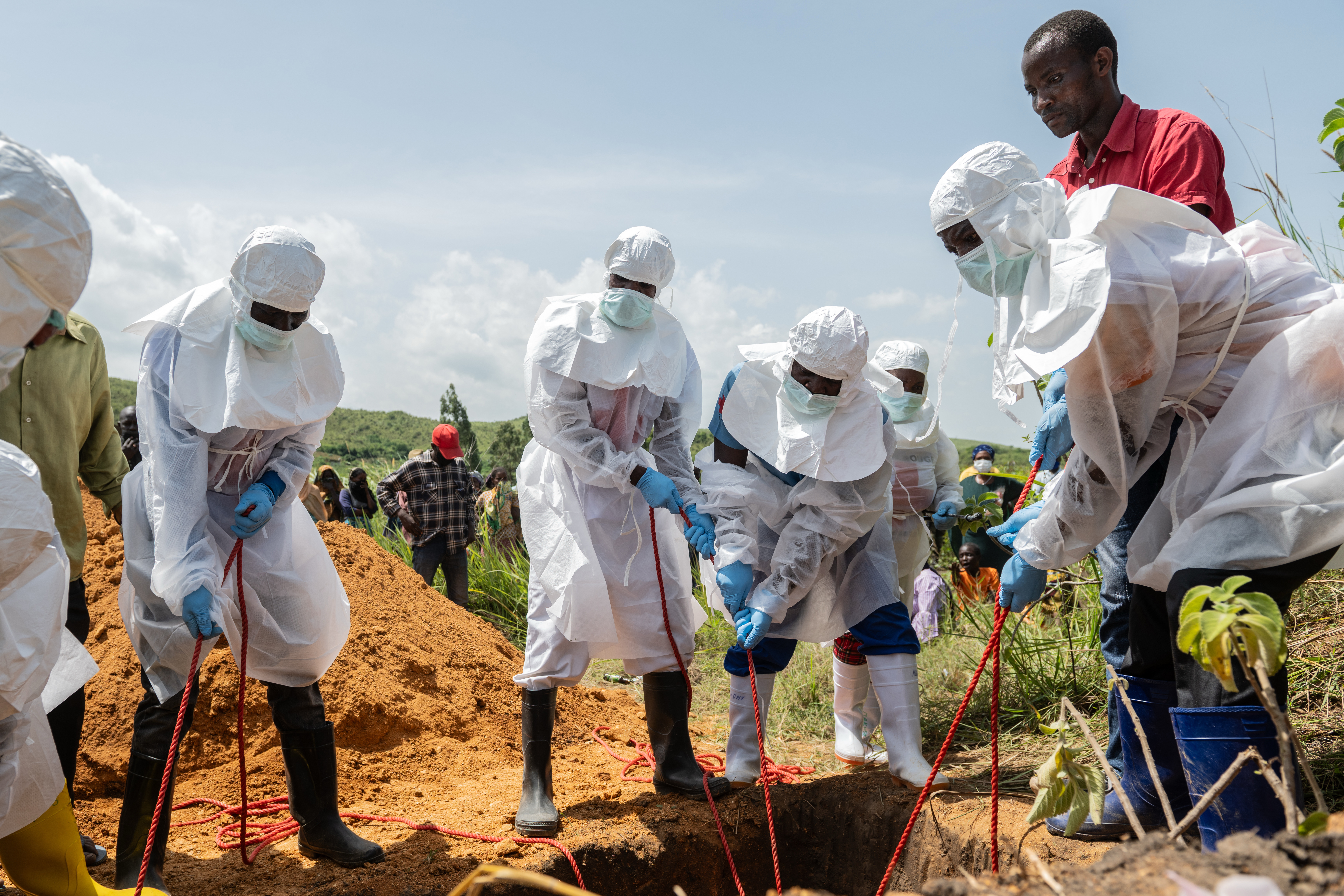
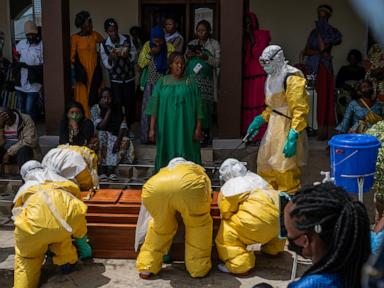
Local communities often view outside medical intervention with deep suspicion. Think about it from their perspective. For decades, they faced violence and poverty with little to no help from the central government or international community. Suddenly, a deadly virus appears, and strangers arrive in white hazardous material suits. They take away loved ones, isolate them, and forbid traditional burials.
When people do not trust the authorities, they hide their sick. They treat symptoms at home. They bury their dead in secret at night. This drives the virus underground. No amount of experimental medicine can stop an outbreak if the community actively avoids the doctors.
Why Technical Solutions Drop the Ball Without Local Trust
The World Health Organization has incredible tools today. We have the Ervebo vaccine. We have monoclonal antibody treatments like Ebanga and Inmazeb. These are medical miracles compared to what health workers had a decade ago.
Medical tools are only as good as the systems delivering them. A vaccine sitting in a solar-powered freezer does nothing if people refuse to take it. During the 2018 outbreak, researchers documented hundreds of instances of vaccine refusal. People were not refusing because they hated science. They refused because the rumors traveling through WhatsApp and local markets suggested the vaccine was a foreign plot or a political tool to manipulate elections.
Ebola Response Breakdown
┌─────────────────────────────────┐
│  Top-Down International Logic   │
└────────────────┬────────────────┘
                 │
                 ▼
┌─────────────────────────────────┐
│ Deploy High-Tech Mobile Clinics │
└────────────────┬────────────────┘
                 │
                 ▼
┌─────────────────────────────────┐
│     Community Distrust and      │
│      Security Disruptions       │
└────────────────┬────────────────┘
                 │
                 ▼
┌─────────────────────────────────┐
│ Hidden Cases & Continued Spread │
└─────────────────────────────────┘
[Image of Ebola virus transmission cycle]
The top-down approach fails. International experts fly in, set up camp, and dictate rules. This alienates local leaders, traditional healers, and religious figures. In the DRC, if the local pastor or village chief says the Ebola team is untrustworthy, nobody visits the clinic. Response teams must stop treating community engagement as a side project. It is the core project.
The Logistics Nightmare Behind Cold Chains and Dirt Roads
Let us talk about the physical reality of the DRC. The country is massive, roughly the size of Western Europe, but it lacks basic infrastructure. Roads are often unpaved tracks that turn into thick mud during the rainy season.
The Ervebo vaccine requires ultra-cold storage. It needs to stay between -60°C and -80°C. Keeping a vaccine that cold in a city with rolling blackouts is hard enough. Moving it into a remote village in the equatorial forest requires complex solar-powered setups, generators, and constant monitoring.
When a generator fails, a batch of vaccines spoils. When a truck gets stuck in the mud for three days, contact tracers lose the window of opportunity to protect a village. The virus moves faster than the logistics network.
Moving From Emergency Reaction to Permanent Health Systems
The current strategy is reactive. An outbreak occurs, millions of dollars pour in, organizations set up temporary structures, the outbreak ends, and everyone packs up. This leaves the local healthcare system just as weak as it was before.
The DRC needs permanent health capacity. Local clinics need basic personal protective equipment, clean running water, and reliable electricity every day, not just during an international crisis. If a local nurse can identify a hemorrhagic fever case immediately during a routine checkup, the outbreak can be contained before it turns into a regional emergency.
This requires shifting funding from short-term emergency response teams to long-term infrastructure. Train local Congolese doctors, nurses, and lab technicians. Build permanent diagnostic laboratories in high-risk provinces so blood samples do not need to fly across the country to Kinshasa just for confirmation.
What Needs to Change Right Now
If you want to support effective containment or understand where the current response is failing, look at how the money is spent. Stop funding short-term fixes that disappear when the cameras leave.
Support organizations that hire local staff. The Congolese medical community has unmatched experience dealing with Ebola. They know the languages, the culture, and the terrain. They need resources, not foreign managers telling them how to do their jobs.
Pressure international donors to fund integrated health initiatives. If a clinic can treat malaria, measles, and malnutrition alongside Ebola, the community will trust it. When a facility only cares about one specific virus while children die of curable diseases next door, the community sees the hypocrisy. True containment starts with building a healthcare system that people actually want to use.