When a service member dies in the line of duty, the Pentagon hands their family a tax-free cash payment intended to keep food on the table, cover immediate travel, and handle emergency bills while survivor benefits get sorted out. That safety net—officially called the military death gratuity—is currently set at $100,000.
If that figure sounds like a decent buffer, consider this: Congress hasn't increased it by a single dollar since 2006.
Think about how much the cost of housing, childcare, food, and basic utilities has skyrocketed over the past twenty years. While the military adjusted active duty pay and housing allowances to account for inflation, the immediate emergency benefit for grieving military families remained frozen in time.
Now, bipartisan legislation making its way through the Capitol aims to fix that long-standing gap. The HONOR Gold Star Families Act (H.R. 7932) proposes to double the military death gratuity from $100,000 to $200,000. It also ties future payouts directly to cost-of-living adjustments so families aren't trapped in another twenty-year economic standstill.
Here is what you need to know about how this bill works, why it matters right now, and what it actually changes for military households.
What the Death Gratuity Is (And What It Isn't)
There's a lot of confusion around military survivor benefits. People often mistake the death gratuity for military life insurance. They aren't the same thing.
- Servicemembers' Group Life Insurance (SGLI): This is an elective, paid life insurance policy that service members buy into (up to $500,000). It takes time to process and file claims.
- Dependency and Indemnity Compensation (DIC): This is a monthly tax-free annuity paid by the VA to eligible surviving spouses and children.
- The Military Death Gratuity: This is an immediate, lump-sum tax-free cash bridge payment.
When a troop dies on active duty, a Casualty Assistance Officer delivers this lump sum directly to the designated beneficiaries as quickly as possible. It exists specifically to handle short-term financial shocks before monthly pensions or insurance payouts kick in.
As one Gold Star spouse pointed out during congressional testimony, bills don't cut themselves in half just because a spouse passes away. Mortgages come due, childcare payments stack up, and family members often have to travel cross-country on a day's notice. A payout rate set during the mid-2000s simply doesn't stretch to meet those realities today.
The Core Changes in the HONOR Gold Star Families Act
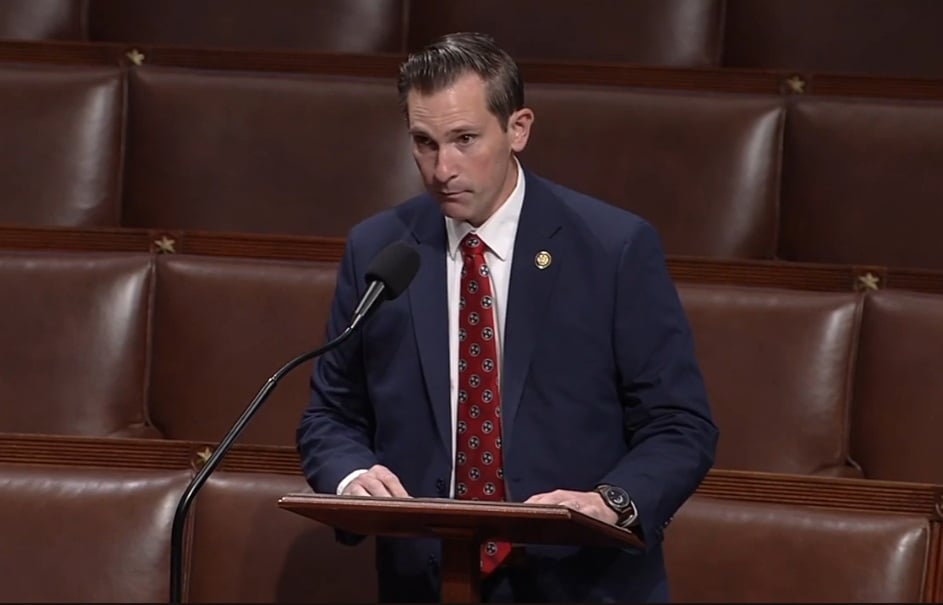
The proposed legislation, introduced by Representative Matt Van Epps and backed by bipartisan leaders across both chambers, targets three major flaws in the current system:
1. Doubling the Base Payout
The core change is straightforward: updating Title 10 of the U.S. Code to change the payout figure from $100,000 to $200,000.
2. Automatic Inflation Adjustments
Starting in 2027, the death gratuity would automatically adjust every year on January 1 based on the Consumer Price Index for All Urban Consumers (CPI-U). This means Congress won't have to pass another landmark act two decades from now just to keep up with basic inflation.
3. Retroactive Coverage for 2026 Losses
The legislation includes a retroactive clause covering service deaths on or after January 1, 2026. This ensures that families affected by recent active-duty casualties and overseas operations aren't left behind under the older $100,000 cap.
Why Timing Matters Right Now
Legislative fixes like this usually sit in congressional committees for months, but recent events overseas have pushed military benefits back into the national spot. With active military operations creating fresh casualties, lawmakers face immediate pressure to deliver on promises made to service members and their spouses.
For decades, military advocacy groups—including the National Guard Association of the United States (NGAUS) and the Tragedy Assistance Program for Survivors (TAPS)—have argued that failing to index survivor benefits to inflation effectively shrinks the safety net over time.
When Congress bumped the payout to $100,000 back in 2006, it was designed to offer substantial relief. Two decades of inflation eroded roughly half of that purchasing power. Doubling the payment essentially restores the purchasing power that lawmakers originally intended to provide.
How Payout Allocations Work for Families
If you're currently serving or have a family member on active duty, it's vital to check how this benefit is actually structured behind the scenes.
Service members have complete discretion over who receives the death gratuity. They fill out DD Form 93 (Record of Emergency Data) to list their primary and secondary beneficiaries.
Important Note: You can designate up to ten individuals to receive percentages of the death gratuity in 10% increments. If no designation is made on DD Form 93, the payout defaults strictly to the lawful surviving spouse, then surviving children, then parents.
If this bill becomes law, the updated amounts will automatically distribute based on the percentage designations already filed on the service member's DD Form 93.
What to Do Next
If you are an active-duty service member, reservist, or military spouse, don't wait for Congress to finalize the bill to get your affairs in order. Take these concrete steps right now:
- Review Your DD Form 93: Log into myPay or meet with your unit administration office to ensure your emergency contact and beneficiary details are completely up to date.
- Verify SGLI Coverage: Check your Servicemembers' Group Life Insurance allocations alongside your death gratuity designations to make sure both align with your current family status (marriage, divorce, or birth of a child).
- Track Bill Progress: Keep an eye on H.R. 7932 through Congress.gov or updates from military advocacy groups like NGAUS and TAPS to see when the bill hits the floor for a final vote.

/https://i.s3.glbimg.com/v1/AUTH_e84042ef78cb4708aeebdf1c68c6cbd6/internal_photos/bs/2026/g/B/3vpkvHQKizRKAfzDxjXA/vini-jr-antes-e-depois.jpg)