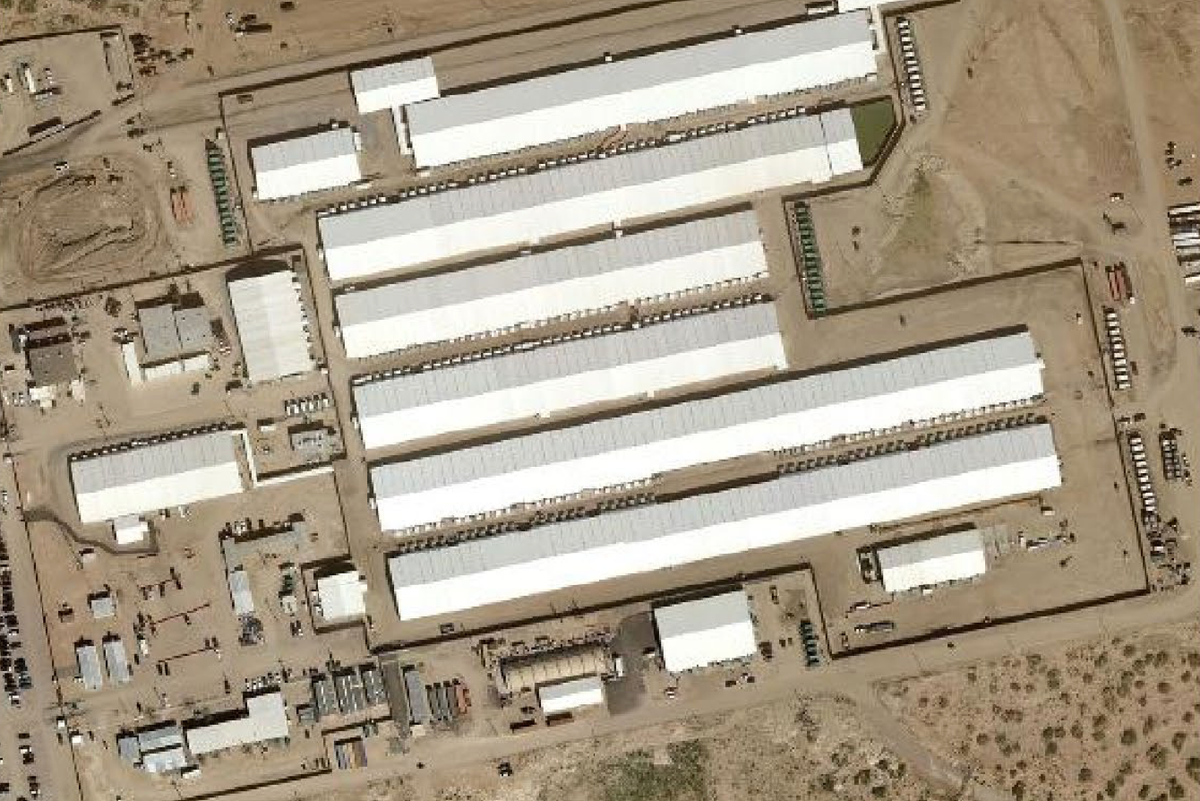
Every six months, the same headline cycles through the national press.
A human rights organization releases a scathing report. Detainees at a Texas ICE facility allege systemic abuse, physical violence, and medical neglect. Activists demand immediate closures. Politicians tweet their rehearsed outrage. Private prison stocks take a minor, temporary dip, only to recover by the next fiscal quarter.
Nothing actually changes.
The media treats these horror stories as shocking anomalies—accidents of a broken system or the work of a few bad actors wearing badges in rural Texas. This is a comforting lie. It suggests that if we just apply enough oversight, install more cameras, or elect the right bureaucrats, we can sanitize civil detention.
It is time to discard this fantasy. The abuse documented in these facilities is not a failure of the system. It is the logical, predictable output of how the system is contractually and economically engineered.
If you want to understand why these facilities remain volatile, you have to stop looking at the moral failures of individual guards and start looking at the spreadsheets.
The Compliance Theatre Shield
For twenty years, the standard liberal response to detention facility abuse has been a demand for better standards.
This has resulted in the Performance-Based National Detention Standards (PBNDS). This massive document outlines everything from the required caloric intake of detainees to the exact water pressure in the showers. On paper, it looks like a triumph of humanitarian policy.
In practice, the PBNDS acts as a legal shield for facility operators.
I have analyzed the operational audits of facilities run by major private contractors. These audits are frequently conducted by private, third-party firms hired by the government or the operators themselves—such as the American Correctional Association (ACA). These reviews are almost always glowing. They present a parallel universe where facilities are clean, staff are polite, and grievances are resolved with corporate efficiency.
How does this happen? Because the standards measure compliance, not outcomes.
If a detainee is injured during a "use of force" incident, the auditor does not look at whether the force was morally justified or even necessary in a human sense. They look at whether the guard filled out Form I-203 within the required 24-hour window. They check if the camera footage was logged. They verify that the staff member had completed their annual "de-escalation training" module on a computer.
Once those boxes are checked, the facility is legally compliant. The paperwork is perfect, which means the abuse, legally speaking, did not occur. The obsessively detailed regulations do not prevent violence; they merely standardize how that violence is documented to minimize corporate liability.
The Hypocrisy of Local Government Cash Flows
The national conversation often frames the detention crisis as a battle between federal overreach and human rights. This ignores the local governments that actively quiet the abuse complaints because they rely on the revenue.
Enter the Intergovernmental Service Agreement (IGSA).
Under an IGSA, ICE does not contract directly with a private prison giant like GEO Group or CoreCivic. Instead, they contract with a local county government. The county then acts as a middleman, subcontracting the actual operations of the facility to the private operator.
This setup allows local politicians to wash their hands of the facility's daily operations while collecting a massive cut of the daily bed rate. Rural counties in Texas, often suffering from dying agricultural economies and dwindling tax bases, use this money to fund their sheriff’s departments, paved roads, and school districts.
Consider the economics of a typical 1,000-bed facility. If the federal government pays $120 per detainee per day, that is $120,000 flowing into a small county every single day. The county skims its administrative fee off the top before passing the rest to the private contractor.
When local advocates bring evidence of medical neglect or guard brutality to the county commissioners, they are met with blank stares or bureaucratic deferrals. The commissioners know that if they investigate too aggressively, the contractor might pull out, or ICE might terminate the agreement.
For these local economies, exposing abuse is not a moral imperative; it is a financial threat. The very institutions designed to protect people within their geographic borders are financially incentivized to ignore their suffering.
The Staffing Void No One Wants to Fund
The narrative of the sadistic, highly trained guard is mostly a myth. The reality is far more depressing: the people running these housing units are often underpaid, undertrained, and completely overwhelmed.
In many rural Texas facilities, the starting wage for a detention officer is barely higher than what the local fast-food franchise pays. Private contractors squeeze their labor budgets to maximize profit margins for shareholders. High turnover rates are not a problem to be solved; they are an accepted cost of doing business.
Imagine a scenario where a single guard, paid $16 an hour after a two-week training course, is tasked with managing a housing unit of 80 detainees. Many of these detainees are highly stressed, facing imminent deportation, and unable to communicate due to language barriers.
When tension boils over, the guard does not have the psychological training or the institutional support to de-escalate. They rely on the only tools they have: physical restraint, solitary confinement, and chemical agents.
We can demand "better training" all we want, but no private corporation is going to voluntarily double its wages to attract high-caliber, psychologically resilient staff when they can maintain their government contracts with low-wage warm bodies. The systemic violence we see is the direct consequence of running high-security facilities on a retail-wage budget.
Why the "Close Them Down" Demand Backfires
The default solution proposed by reformists is simple: shut down the facilities.
It sounds noble, but it ignores the physical reality of the immigration system. If you close a facility in Texas, the detainees do not magically get released into the interior of the country with work permits.
Instead, they are packed into buses and transferred to other facilities—often even further away from their families and legal representation. This consolidation worsens the overcrowding in the remaining centers, spiking the exact pressure-cooker conditions that lead to violence in the first place.
Alternatively, the government shifts to "alternatives to detention" (ATD), which usually means GPS ankle monitors or smartphone tracking apps run by private tech contractors. Activists celebrate this as a victory, ignoring that these tech platforms are often owned by the exact same private prison corporations that run the physical brick-and-mortar facilities.
The GEO Group, for example, owns BI Incorporated, one of the largest providers of electronic monitoring technology. The corporate giants do not care if we close the physical prisons; they will simply transition their business model to digital surveillance, maintaining their profit margins while reducing their physical overhead and liability.
The Brutal Reality of Reform
The uncomfortable truth is that the current state of ICE detention is stable because it serves everyone’s interests except the detainees.
- Private Operators get reliable, government-backed revenue streams with built-in legal shields.
- Local Governments get to fund their municipal budgets without raising taxes on their constituents.
- Politicians get an easy, recurring campaign issue to drum up outrage or project a "tough on crime" image.
- The Public gets to feel a sense of moral superiority by expressing shock at the occasional news report, before moving on to the next cycle.
If we actually wanted to end the violence in civil detention, we would have to dismantle the financial incentives that make human bodies profitable. We would have to end the guaranteed minimum occupancy clauses in contracts that pay operators for empty beds, incentivizing high detention rates. We would have to outlaw the IGSA loophole that allows local counties to act as middlemen for corporate profit.
But doing that requires confronting the deep-seated economic structures of our immigration system, and that is far more difficult than writing another angry tweet about a facility in Texas. Until we target the flow of capital rather than the behavior of the low-wage guards at the bottom of the food chain, the headlines will remain exactly the same.