Ink dries slowly on official stationery. Sometimes, it takes weeks for a signature to cross an ocean, traversing bureaucratic desks, embassy stamps, and digital filing cabinets until it finally reaches a mailbox in a place where the lights flicker and the water runs thin. For thirteen young scholars living amidst the dust and smoke of Gaza, that letter was not merely a piece of paper. It was an anchor. It was a formal invitation to step inside a Belgian university, to sit on wooden lecture benches, to open heavy textbooks, and to trade the constant percussion of uncertainty for the quiet rustle of pages turning.
Then came the red stamp. Denied.
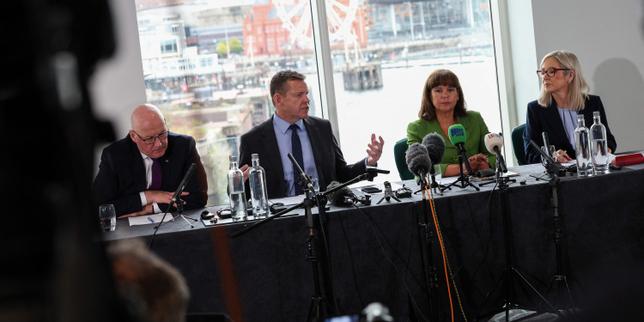
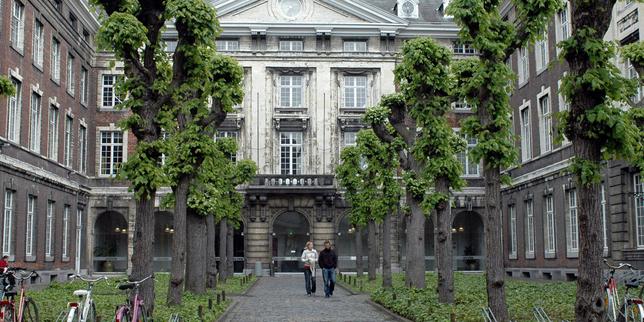
Across Brussels, Louvain-la-Neuve, and Ghent, the news hit university leadership like a cold draft through an open window. Rectors who usually measure their words in cautious diplomatic cadence suddenly found themselves searching for a vocabulary sharp enough to capture their disbelief. Consternés. That was the word they chose. Dismayed. A quiet, heavy word that barely contains the frustration of watching an intellectual bridge collapse before a single foot could cross it.
Consider what it takes to earn a seat in a European lecture hall when your home is a active zone. It requires an extraordinary kind of stubbornness. It means studying by candlelight, revising notes while walls tremble, and submitting applications through intermittent internet connections that drop out without warning. These thirteen students did not ask for charity. They earned their admissions through rigorous academic competition, beating out hundreds of other applicants for a chance to pursue master's degrees and doctorates in disciplines ranging from public health to civil engineering. They had the credentials. They had the housing lined up. They had the institutional backing of some of Europe's oldest centers of learning.
What they lacked was a piece of paper permitting them to board a plane.
The official justifications offered by consular services often read like cold arithmetic. Security checks. Administrative hurdles. Missing consular interviews in a territory where diplomatic missions have long since shuttered their doors. To a bureaucrat sitting in a climate-controlled office three thousand kilometers away, these are checkboxes on a standardized form. To the student waiting in Gaza, each unfulfilled checkbox is a sentence. It means another semester lost. Another year of potential left to rot in a courtyard of rubble.
Universities have historically viewed themselves as sanctuaries. Long before modern nation-states drew sharp borders across maps, academic institutions operated under a different logic. They were designed to be porous. Knowledge does not respect checkpoints, and curiosity does not pause for geopolitical standoffs. When university rectors in Belgium raised their voices in protest, they were defending more than just thirteen enrollment slots. They were defending the fundamental premise that an acceptance letter issued by a university carries a moral weight that should outweigh the cold convenience of administrative convenience.
To understand the tragedy of this refusal, you have to look closely at the desk of a typical professor in a European faculty. In September, that desk is piled high with syllabi, coffee mugs, and fresh notebooks. There is an empty chair waiting in the third row. That chair was intended for someone who spent years dreaming of organic chemistry laboratories or political science seminars, someone who wanted to return home one day equipped with the tools to rebuild shattered infrastructure, treat preventable diseases, or draft laws for a functioning society.
When a visa is withheld from a student from a conflict zone, the loss is double. First, it denies an individual human being their right to self-determination and education. Second, it robs the future of the very expertise it will desperately require once the guns finally fall silent. Who will design the water treatment plants if the engineers are kept behind walls? Who will heal the traumatized children if the psychologists are denied their training?
The refusal letters sent to these thirteen students did not use harsh language. Bureaucracy is rarely theatrical. It is polite, sterile, and absolute. It speaks of missing interviews, unverified itineraries, and hypothetical risks. But behind every polite refusal lies a devastating human cost. Imagine preparing your entire life for an academic milestone, packing your life into a single suitcase, saying tearful goodbyes to family members you may never see again, and then discovering that your journey ends before it even begins because a visa officer deemed your existence too complicated to process.
The rectors understood this. In their joint statements, they did not hide behind institutional neutrality. They called out the absurdity of inviting brilliant minds to study while simultaneously erecting insurmountable barricades at the border. They pointed out the hypocrisy of European solidarity slogans that ring hollow the moment an actual human being from a besieged territory tries to claim them.
Change rarely arrives through polite petitioning alone. It requires friction. It requires institutional leaders willing to put their weight behind moral imperatives. By expressing their profound dismay, the heads of Belgium’s top universities have drawn a clear line in the sand. They are demanding a review of the decisions, an emergency humanitarian corridor for student mobility, and a recognition that education is not a secondary luxury to be sidelined during crises—it is the primary engine of recovery.
In the meantime, thirteen desks remain empty. Thirteen students stare at computer screens in rooms where the electricity comes and goes in brief, mocking gasps. They check their emails, hoping against hope for a reversal, a clerical error corrected, a door unlocked.
The story does not end with a neat resolution. There is no tidy bow to wrap around a geopolitical stalemate. Instead, there is only the lingering echo of an unfulfilled promise, and the stubborn persistence of minds that refuse to stop learning, even when the world outside does everything it can to shut them out.