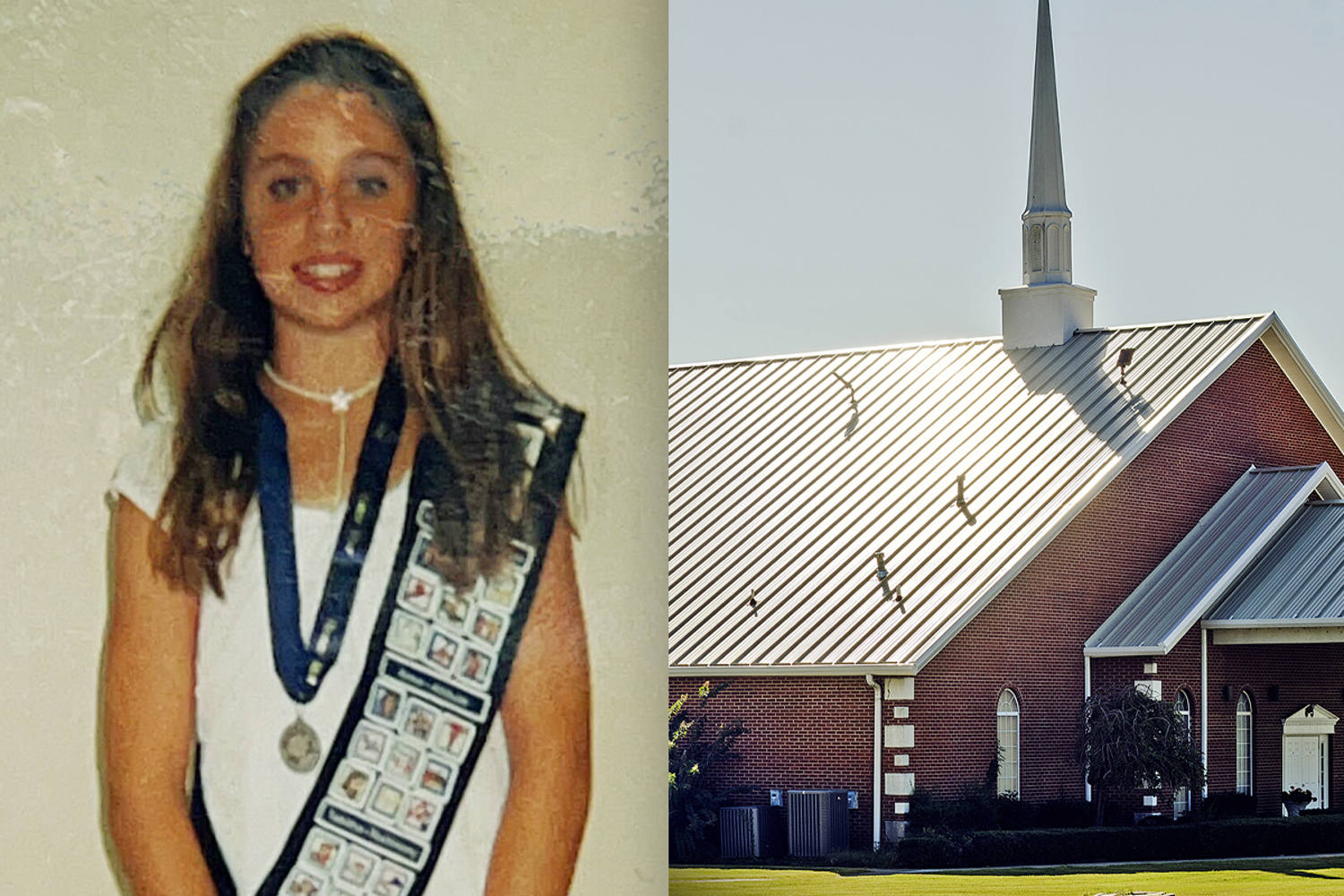
The camera was hidden inside a bathroom used by young girls. Along with it, a list of nude stretching exercises was pinned to the wall for anyone to see. This wasn't a secular gym or a public school. It was an Assemblies of God church in Jonesboro, Arkansas, where a trusted children's minister named Anthony “Tony” Waller ran the youth programming.
According with a civil lawsuit filed in Craighead County Circuit Court by six women, church leadership found that camera, took it down, and confiscated the list of stretches. They caught him red-handed. Yet, instead of calling the police, they suspended Waller for two to four weeks. Then they let him go right back to work.
That was in the early 2000s. Because the institution chose protecting its reputation over protecting children, Waller's abuse continued for another decade. He wasn't stopped until 2016, when he was sentenced to life in prison after being convicted of raping two girls and possessing thousands of images of child pornography. By then, the damage to dozens of lives was already done.
This isn't an isolated tragedy, and it isn't just about one bad actor. It's a textbook example of a systemic legal crisis facing religious institutions. For decades, churches relied on a mix of internal isolation, cultural pressure, and favorable statutes of limitations to keep these scandals quiet. But the legal terrain is shifting fast, and the old playbook isn't working anymore.
The High Cost of the Internal Investigation Playbook
When a crisis hits a religious organization, the immediate instinct of top leadership is almost always institutional preservation. We've seen it across denominations, from the Southern Baptist Convention to the Western fields of the LDS church. They treat criminal behavior as a spiritual misstep or an administrative headache to be managed internally.
Take a look at the timeline exposed by the Jonesboro lawsuit. Church leadership received explicit warnings about Waller’s behavior as early as April 2000, with concrete evidence of criminal acts landing on the pastor's desk in 2004. Parents complained. Victims spoke up. Even detectives from the Jonesboro Police Department made inquiries over the years.
Instead of an immediate, permanent ouster and a transparent report to law enforcement, the church opted for a brief suspension. It's a strategy we see time and again. The goal is to quiet the immediate noise, pray the problem goes away, and avoid a public scandal that might hurt weekly attendance or tithing.
But hiding a predator doesn't reform them; it just gives them a roadmap to be more careful next time. Waller used his position of absolute spiritual authority to silence victims, knowing the institution above him would default to silence.
Why the First Amendment Defense is Falling Apart
Historically, churches used the "ecclesiastical abstention doctrine" or First Amendment arguments to shield themselves from civil liability. The logic went like this: secular courts shouldn't meddle in the internal governance, hiring, or disciplinary decisions of a religious body. If a bishop or a pastor decided a minister was fit to return to the pulpit, that was a theological decision, not a legal one.
Courts are losing patience with this argument.
When a church discovers a hidden camera in a children's bathroom, fails to report it, and puts the perpetrator back in a room with minors, it crosses the line from religious governance into gross negligence. Attorneys representing survivors are successfully arguing that a church's failure to report child abuse violates basic state laws, stripping the organization of any constitutional protection.
Look at what happened with the general council of the Assemblies of God in 2014. The denomination voted to adopt a policy stating that pastors who engaged in child sexual abuse or pedophilia wouldn't be allowed back into ministry. Sounds great on paper, right? But the policy had a massive loophole. It didn't apply to pastors who had already been reinstated before the policy passed, as long as they didn't get caught reoffending.
That kind of bureaucratic hair-splitting doesn't hold up well in front of a jury. It shows a conscious awareness of the danger coupled with a deliberate decision to leave loopholes open.
The Shift Toward Corporate Negligence
Civil lawsuits like the one in Arkansas are changing the math for religious organizations because they attack the pocketbook through tort law. Plaintiffs aren't just suing the abuser; they're suing the entities that enabled them. The legal claims center on a few specific concepts:
- Negligent Retention: Keeping an employee on the payroll after you know they pose a danger to others.
- Failure to Report: Violating mandatory reporter laws by keeping evidence of child abuse inside church walls.
- Civil Conspiracy: Actively working to conceal a crime to protect financial or reputational interests.
We are seeing the financial fallout of this across the country. In Texas, the massive Gateway Church is currently mired in legal battles and internal revolts after its founder, Robert Morris, resigned and later pleaded guilty to child sex abuse charges dating back to the 1980s. An internal investigation revealed multiple church staff members knew about the allegations for years but did nothing. Now, attendance is fluctuating, tithing is down, and the church is fighting its former pastor in arbitration over a multimillion-dollar retirement package.
When institutions realize that covering up abuse costs significantly more than dealing with it transparently, behavior changes.
Moving Past Policy Toward Absolute Accountability
If you're involved in church leadership or run an organization that cares for children, relying on an annual background check and a prayer isn't enough. The legal standards of 2026 demand active, aggressive oversight.
First, get rid of internal tribunals. If a staff member or volunteer is accused of child abuse, the very first call goes to law enforcement and child protective services, not the church board or an outside public relations firm. Church leaders are rarely trained investigators, and trying to handle it internally usually results in spoiled evidence and prolonged trauma for the victim.
Second, enforce physical transparency. No single adult should ever be alone with a minor behind closed doors. Classrooms and youth rooms need windows or open doors, and bathrooms must be monitored by pairs of trusted, vetted adults.
Ultimately, the era of the untouchable pastor is ending. The law is making it clear that a collar or a title won't protect an institution from the consequences of its own silence. For decades, survivors were told to keep quiet for the good of the ministry. Now, through the courts, they're proving that the true threat to the ministry was the silence all along.



(mh=Dw6W9uWaLcHnfEql)0.jpg)