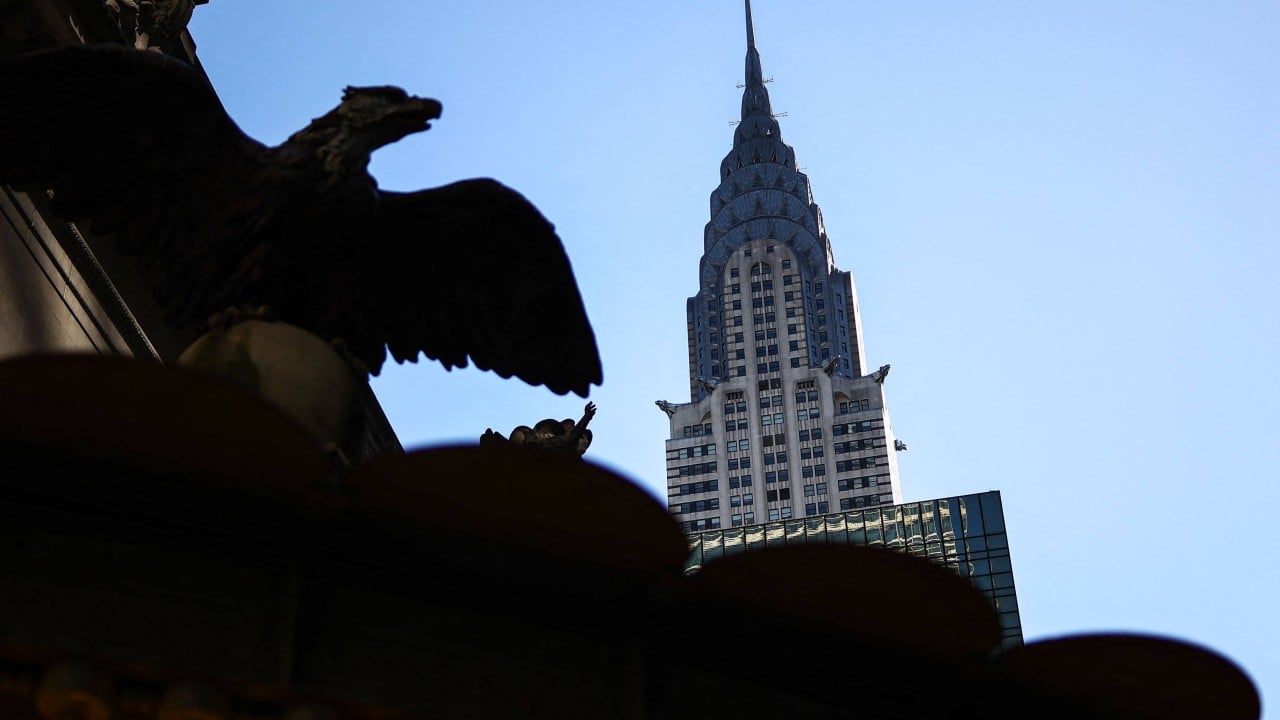
Skyscrapers aren't supposed to go on clearance. Yet a few years ago, the Chrysler Building traded hands for a staggering $150 million. If that sounds like chinchilla money for a global icon, you're right. A single luxury penthouse on Billionaires' Row frequently pulls in more cash than one of the most famous art deco masterpieces on earth.
People lost their minds when the deal closed. How could a Manhattan crown jewel sell for less than a mediocre office park in Houston? You might also find this related coverage useful: The Architecture of Defense Bilateralism The Economic and Strategic Mechanics of the Morocco Israel Aerospace Corridor.
The short answer is that owning the building doesn't mean you own the ground beneath it. The long answer involves a cautionary tale of bad leases, sky-high land rents, and an architectural marvel that has always struggled to make actual financial sense.
The Ground Lease Trap That Crippled a Masterpiece
Let's look at the math because it exposes the raw reality of New York real estate. When real development firms like RFR Holding and Aby Rosen's RFR joined forces to buy the tower, they weren't getting a clean asset. They inherited a nightmare of a ground lease. As discussed in detailed reports by The Economist, the implications are worth noting.
Cooper Union, a private college in the East Village, owns the land underneath the Chrysler Building. Back in the 1990s, a previous ownership group signed a land lease agreement that looked fine on paper until the market shifted and the payment structure turned predatory.
Ground rent isn't a flat fee. It resets periodically based on the appraised value of the dirt. As Manhattan property values rocketed into the stratosphere, the land rent payments spiked into the tens of millions of dollars annually.
Imagine paying a massive mortgage on a legendary skyscraper while your rent for the dirt it sits on costs more than the building takes in from tenants. That's the trap. The building was losing money hand over fist. The previous owners, Tishman Speyer and Abu Dhabi's sovereign wealth fund, basically gave up. They bought it for $800 million in 2008 and watched it bleed cash for a decade before dumping it at a massive loss.
Form Over Function Always Wins in Manhattan
William Van Alen designed the Chrysler Building in 1930 to be a monument to corporate ego and automotive ambition. Walter Chrysler funded it out of his own pocket to house his corporate headquarters. But Chrysler never actually moved his offices here. The building was a pure spectacle from day one.
That DNA matters. The tower was built for visual dominance, not efficient floorplates.
Modern tenants want massive, open floor plans, column-free spaces, state-of-the-art HVAC systems, and fiber optic highways. The Chrysler Building offers narrow, irregular floor plates, a forest of structural columns, historic preservation restrictions that make modern upgrades a bureaucratic marathon, and elevators that belong in a museum.
You can't slap a sleek tech startup setup into a landmarked art deco lobby without fighting the New York City Landmarks Preservation Commission every single step of the way. The building is gorgeous on the outside, with its stainless steel sunburst spire and steel eagles glaring down at Lexington Avenue. Inside, it's an expensive preservation project that struggles to compete with modern glass towers in Hudson Yards or Midtown South.
Why Historic Landmarks Make Terrible Investments
We love these buildings as citizens, but investors hate them. Preservation laws freeze time. You can't tear down the elevators, you can't alter the triangular windows, and you certainly can't add floor space.
When you buy a historic icon, you aren't buying a cash cow. You're buying a very expensive civic responsibility wrapped in a deed.
The new owners faced a mountain of deferred maintenance when they took over. The aging facade needs constant attention. The mechanical systems require bespoke repairs rather than off-the-shelf replacements. When you factor in the land lease payments to Cooper Union, the capital expenditure required just to keep the lights on eats up any potential profit margin.
That's why the sale price crashed from $800 million to $150 million in just over ten years. The market realized that a pretty face doesn't pay the bills when the landlord of the dirt owns all the leverage.
The Reality Check for Luxury Real Estate
The Chrysler Building sale taught the commercial property market a brutal lesson. Prime location and iconic status mean nothing if the underlying financial structure is rotten.
Real estate isn't about romance. It's about spreadsheets. When the spreadsheet says your ground rent exceeds your revenue, no amount of historic charm will save your investment.
Next time you look up at the glittering steel spire piercing the Manhattan skyline, appreciate the art. Just remember that behind the gorgeous gargoyles and timeless brickwork lies a financial puzzle that has broken the pockets of some of the richest real estate developers on the planet. Stop expecting historic icons to behave like standard commercial assets. They play by their own rules, and the house usually wins.