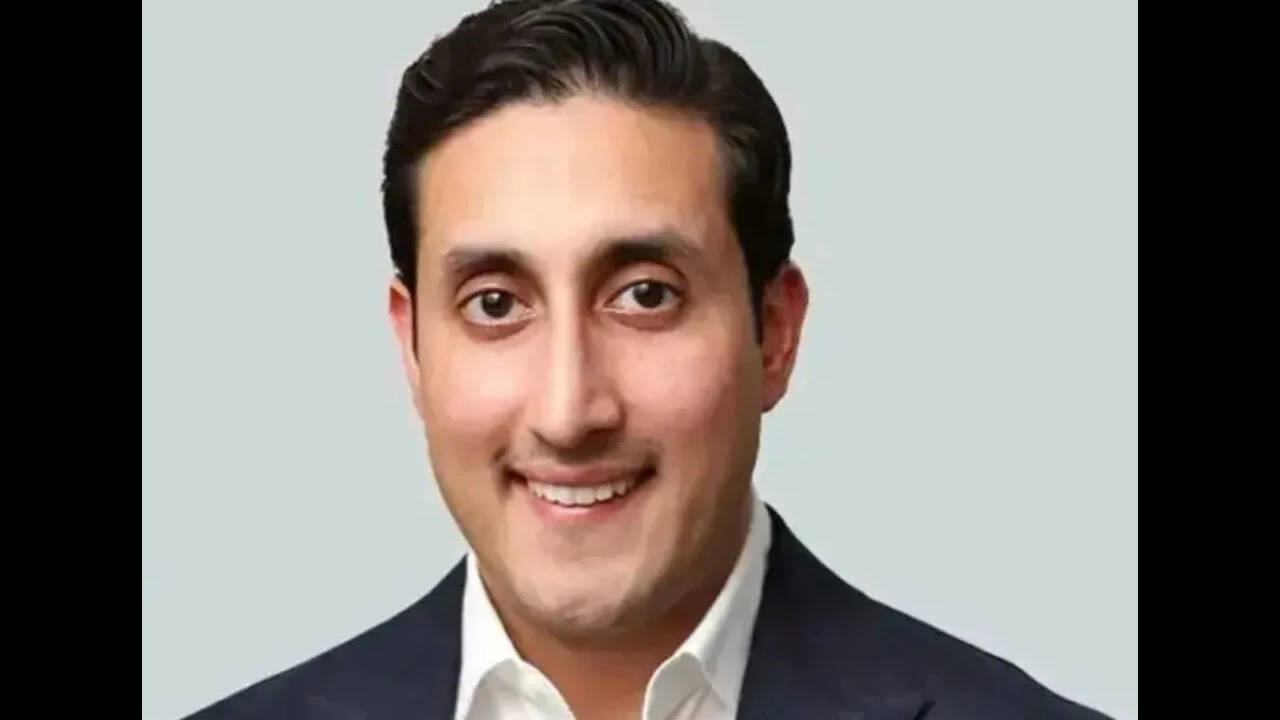
The modern creator economy thrives on a singular, volatile currency: radical transparency. When Chirayu Rana, a digital personality built on the bedrock of relatability, faced allegations of faking his father’s death to solicit views and sympathy, the fallout was more than just a localized PR disaster. It was a structural failure of the "authentic" brand model. Rana’s legal representation has since stepped into the fray, attempting to reframe the narrative from a cynical hoax to a linguistic misunderstanding regarding a "dad-like figure." This defense, while legally strategic, ignores the fundamental mechanics of how digital audiences process grief and betrayal.
The core of the controversy lies in the binary nature of trust. In a world where every life milestone is a potential content pillar, the line between personal tragedy and a marketing hook has become dangerously thin. For Rana, the assertion that a "father figure" was the subject of the tribute—rather than his biological father—has done little to quell the backlash. It highlights a growing trend in the creator space where the stakes of being "caught" in a lie are weighed against the immediate surge in engagement metrics that sensationalism provides.
The Semantic Shield and the Cost of Ambiguity
Attorneys often operate in the realm of technicalities, but the internet operates on the frequency of perceived intent. By claiming the confusion stemmed from the cultural or emotional definition of a "father," the defense is attempting to build a semantic bridge over a reputational chasm. This tactic is common in high-stakes litigation, yet it rarely survives the court of public opinion.
When a creator uses the word "father" in a thumbnail or a caption, the unspoken contract with the audience assumes the literal definition. Breaking that contract creates a "parasocial whiplash." Fans who invested emotional energy into Rana's supposed loss suddenly find themselves at the center of a bait-and-switch. This isn't just about one man's family tree. It is about the industrialization of empathy. The "dad-like figure" defense serves as a masterclass in how influencers attempt to navigate the consequences of their own narrative choices when those choices are scrutinized by a skeptical public.
The Architecture of an Influencer Scandal
Scandals in this sector follow a predictable, almost geological rhythm. First comes the surge of attention—the "event." Then comes the discovery of a discrepancy. Finally, there is the pivot to legal or professional damage control.
In Rana’s case, the timeline suggests a desperate scramble to maintain a brand that relies on being an "open book." The problem is that once the pages of that book are found to be redacted or rewritten, the audience rarely sticks around for the sequel. We are seeing a shift in how these crises are managed. Instead of the tearful apology video—a trope that has become its own parody—we are seeing the rise of the "attorney-led rebrand." This move signals a professionalization of the influencer industry, but it also creates a sterile distance between the creator and the community that built them.
Monetizing the Grief Cycle
There is a dark irony in the way platforms incentivize high-emotion content. Algorithms do not distinguish between a genuine eulogy and a strategic fabrication; they only see the retention rate and the comment volume.
- Engagement Spikes: Tragedy is one of the most reliable drivers of platform visibility.
- Monetization: Increased views lead directly to higher ad revenue and more lucrative brand deals.
- The Incentive Loop: Creators are effectively paid to overshare, which inevitably leads to the temptation to "optimize" reality for better performance.
This environment creates a perverse incentive structure. If a creator can generate six months of revenue from a single weekend of "manufactured" drama, the risk of getting caught is often seen as a manageable business expense. Rana’s situation is a high-profile example of what happens when that gamble fails to pay off.
The Legal Strategy vs the Social Reality
The defense's focus on the "dad-like figure" is an attempt to mitigate charges of fraud or intentional deception. If they can prove that Rana subjectively viewed the deceased as a father, the "fake" label becomes harder to pin down in a legal sense. However, the social reality is far less forgiving.
The digital audience is not a jury; it is a mob with a search history. They see the previous posts, the deleted stories, and the inconsistencies in the timeline. While an attorney can argue definitions in a courtroom, they cannot argue with a thousand screen-recorded receipts. This disconnect is where most influencer careers go to die. They treat a reputation crisis as a legal hurdle rather than a relational collapse.
Data Points in Deception
While specific statistics on "staged life events" are difficult to aggregate—largely because many go undetected—industry analysts have noted a sharp increase in "clout-chasing" behavior that involves family members. In the last three years, at least a dozen major creators have been accused of staging breakups, pregnancies, or medical emergencies.
The pattern is clear. The barrier to entry for content creation is low, but the cost of staying relevant is astronomically high. When a creator's numbers begin to plateau, the psychological pressure to "break the internet" leads to increasingly risky maneuvers. Rana’s story is a symptom of a broader systemic pressure where the mundane truth is no longer a viable product.
The Audience as the Ultimate Auditor
We are entering an era of the "citizen auditor." Communities are now better equipped than ever to fact-check the lives of the people they follow. From flight trackers to public records searches, the tools available to a disgruntled fan base are formidable.
The "dad-like figure" explanation was almost immediately met with skepticism because it felt like a post-hoc rationalization. In the era of the 24-hour news cycle, the time between a claim and a debunking is shrinking. If you say someone died, the internet will find the obituary. If the obituary doesn't exist, the brand is effectively dead instead.
The Professionalization of Damage Control
The involvement of an attorney in Rana's case marks a turning point. It suggests that the "influencer" is no longer just a kid with a camera, but a business entity with assets to protect. This shift changes the stakes. A lawsuit or a loss of a major contract can mean the end of a multi-million dollar enterprise.
But this professionalization is a double-edged sword. While it provides a shield, it also removes the "authenticity" that made the creator valuable in the first place. When you speak through a lawyer, you are no longer the relatable friend; you are a corporation. For an audience that craves "the real me," a legal statement is the ultimate "unfollow" prompt.
Beyond the Rana Controversy
What happens next for Chirayu Rana is less important than what happens to the industry he inhabits. We are seeing a hardening of audience attitudes. The "benefit of the doubt" is a disappearing commodity.
This skepticism is healthy. It forces a level of accountability that has been missing from the wild-west era of social media. Creators are being forced to realize that their lives are not just "content"—they are a record. And a record, once falsified, is nearly impossible to correct. The defense of a "dad-like figure" may save a creator from a specific legal headache, but it won't restore the quiet trust of a million strangers.
Rebuilding the Foundation
For any creator looking to survive a scandal of this magnitude, the path forward isn't found in a press release. It is found in a radical return to transparency that doesn't involve a camera.
The industry needs to move away from the "high-stakes drama" model of growth. It is unsustainable. When tragedy becomes a tool for growth, the human element of the creator-viewer relationship is hollowed out. What remains is a cynical exchange of attention for ad cents, a transaction that eventually leaves both parties feeling bankrupt.
The Chirayu Rana case serves as a warning. In the race for relevance, the most dangerous thing you can lose isn't your followers or your sponsors. It is the ability to tell the truth without needing a lawyer to translate it. The creator economy is built on a house of cards, and "dad-like figures" are a very poor foundation.
Stop treating your life as a script and start treating your audience as people who can tell the difference between a eulogy and an audition.