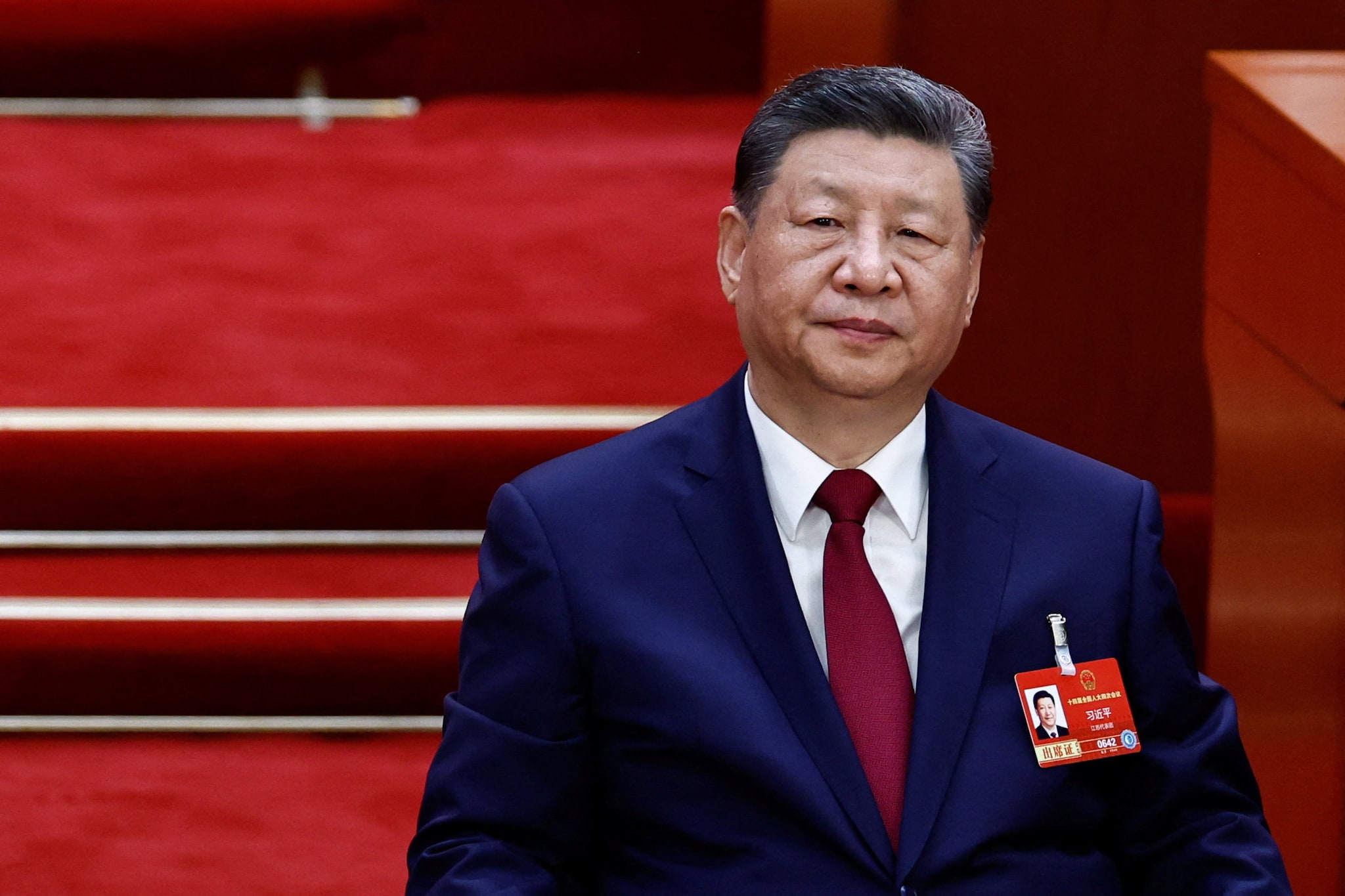
Geopolitics is often a theater of the absurd, but the recent hand-wringing over the "fragility" of the US-Iran ceasefire takes the prize for the most transparent performance of the decade. Beijing is currently playing the role of the concerned adult in the room, urging "unified opposition to escalation." It is a beautiful script. It is also a total fabrication of intent.
The consensus view—the one you’ll find in every dry wire service report—is that China is a "stability seeker." The logic goes like this: China buys oil; oil comes from the Persian Gulf; therefore, China needs peace to keep the lights on in Shanghai.
This is the kind of entry-level analysis that gets billions of dollars lost in emerging markets.
If you want to understand the real mechanics of power, you have to stop listening to what diplomats say and start looking at what their friction achieves. China does not want a "robust" peace between Washington and Tehran. A truly stable Middle East, secured by American-led diplomatic architecture, is Beijing's worst-case scenario.
The Myth of the Fragile Peace
Beijing calls the ceasefire "very fragile." Of course they do. By labeling the peace as brittle, they accomplish two things simultaneously. First, they signal to the Global South that American diplomacy is fundamentally flawed and temporary. Second, they position themselves as the only "rational" alternative to the supposed trigger-happiness of the West.
But let’s look at the actual math of regional tension.
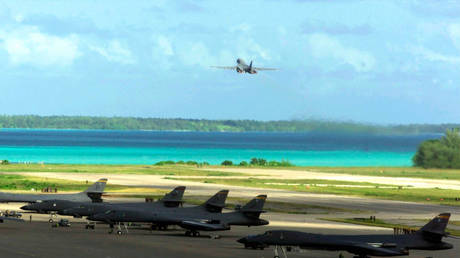
The volatility in the Strait of Hormuz acts as a massive, indirect tax on Western naval resources. Every time a drone flies over a tanker or a proxy militia fires a rocket, the United States is forced to commit carrier strike groups, logistics chains, and billions in high-tech munitions to a theater it has been trying to leave for twenty years.
For China, this is a strategic windfall.
Every dollar the US spends patrolling the Red Sea or babysitting a ceasefire is a dollar not spent on the "Pacific Pivot." Every hour a Pentagon planner spends on Iran is an hour they aren't spending on the Taiwan Strait or the South China Sea. Beijing isn't worried about the ceasefire breaking; they are worried about the US successfully handing over the keys and walking away.
Energy Security is a Distraction
The "energy dependency" argument is the most common tool used to justify the image of China as a peace-broker. Yes, China is the world's largest importer of crude. Yes, disruption hurts their bottom line.
However, I have spent enough time analyzing state-owned enterprise (SOE) behavior to know that Beijing views economic pain as a manageable variable compared to strategic encirclement. They have spent the last decade building the "Belt and Road" infrastructure specifically to bypass maritime chokepoints controlled by the US Navy.
They aren't just buying oil; they are buying the infrastructure of the countries that produce it.
When China brokered the Saudi-Iran normalization deal last year, the media called it a "game-changer" (a term I despise for its lack of precision). It wasn't about peace. It was about displacement. By facilitating a handshake, China proved it could occupy the diplomatic space without having to provide the security guarantees. They get the credit for the "ceasefire" while the US continues to do the dirty, expensive work of actually enforcing it.
The Proxy Paradox
Standard foreign policy "expertise" suggests that proxies are a sign of weakness—a way for states to fight without getting their hands dirty.
I see it differently. In the current landscape, Iran’s "Axis of Resistance" is a functional extension of Chinese strategic interests, even if there is no formal alliance.
- The Cost-Imposition Strategy: If the US-Iran ceasefire holds, the "tax" on US focus remains low.
- The Escalation Ladder: If the ceasefire breaks, the US is dragged back into a quagmire.
- The Chinese Option: In either scenario, China presents itself as the non-intervening merchant king.
The "fragility" China warns about is actually their greatest leverage. By keeping the situation in a state of permanent "near-collapse," they ensure that the US remains bogged down in the Levant and the Gulf indefinitely.
Stop Asking if the Ceasefire Will Hold
People always ask: "Will the US and Iran actually stop fighting?"
That is the wrong question. The right question is: "Who profits from the tension?"
If you are an investor or a policy strategist, you need to realize that the "instability" is the product. Beijing’s calls for "unified opposition to escalation" are a coded message to regional powers. They are telling Riyadh, Abu Dhabi, and Tehran: The Americans are the source of the volatility. We are the source of the trade.
It is a classic "good cop, bad cop" routine, except China is playing the good cop and the "fragile" peace is the bad cop they’ve manufactured through rhetoric.
The High Price of "Stability"
There is a downside to this contrarian view, and it's one I'll admit freely: it assumes a level of risk-tolerance in Beijing that could backfire. If a full-scale regional war actually breaks out, the global shipping insurance market would implode, and China’s domestic economy—already on shaky ground—would take a massive hit.
But there is a wide, profitable gulf between "total war" and "perfect peace."
China operates in that gray zone. They want the Middle East to be exactly what it is right now: a distracting, expensive, "fragile" mess for the United States.
The next time you see a headline about China urging "calm" in the Middle East, understand that they are actually checking the temperature to make sure the water is still simmering. They don't want it to boil over, but they certainly don't want the stove turned off.
Peace is bad for the Chinese pivot. Tension is the lubricant of their global expansion.
Stop buying the narrative of the concerned mediator. Start watching the resource shift. Every time the US reaffirms its commitment to a "fragile" ceasefire, Beijing wins another year of uncontested growth in the Pacific.
The "fragility" isn't a bug in the system. It's the primary feature.